Use-case map
I start with the job, not the finish. Some barstools are better when the goal is a small counter with frequent use, while others work better when you need a compact footprint, a firmer seat, or a taller profile for a specific height range.
For a busier kitchen island, a stool with a more supportive seat and easier daily clearing can matter more than decorative detail. For a tighter room, visual weight and base width can matter as much as the seat itself.
Decision factors
Footprint and clearance come first because barstools fail most often at the edges: aisle space, pull-out room, and how far the stool lands from the counter after you sit down. I also look at task fit, since a stool for quick breakfasts is not the same as one for longer laptop sessions or lingering meals.
Maintenance is the next filter. Fabric, wood, metal, and mixed materials each change how visible spills, dust, and scuffs will be. Material and construction signals matter here too, especially when the frame, seat surface, or footrest needs to handle repeated use without feeling overly delicate.
Price spread also changes the shortlist. At a lower price, I expect fewer finish details and simpler shapes. As the price rises, the question is less about basics and more about comfort, room fit, and how much cleanup or adjustment you are willing to live with.
Best for each situation
For small-space use with a sturdier everyday feel, Signature Design by Ashley Valebeck is the front-runner here. The swivel format and cushioned seat make it the easiest match when you want one stool to work for quick meals, chatting, and frequent sitting without taking over the room.
For a tighter budget and a simpler counter-height setup, HOOBRO is the clear budget pick. It keeps the footprint lean, which helps when the main problem is fitting seating into a narrow zone rather than adding extra comfort features.
For a straightforward counter stool that can move from kitchen island to extra seating, Amazon Basics is the most flexible practical pick. The wood seat and compact shape keep the look simple, and the size profile suits homes that need a basic, easy-to-place stool more than an upholstered statement piece.
For readers who want back-and-arm support and a more padded sit, VECELO fits the comfort-first lane. It asks for more room than the slimmer options, so I would place it where the layout can handle a larger seat and the higher profile.
For a fabric-upholstered counter stool at a middle price point, Whiterye is the easy middle ground. It is the one I would look at when the room needs a softer seat than bare wood, but the layout still favors a compact frame.
Tradeoffs
The biggest tradeoff in this category is usually space versus comfort. A narrower stool can disappear visually and leave better aisle clearance, but a more cushioned or supported seat may be the better call if the stools get used several times a day.
Cleanup is the other daily decision. Fabric can soften a room, but it will usually ask more from you after meals or spills. Wood and metal are easier to wipe down, though they may feel less forgiving over long sitting sessions. The right answer depends on whether the stool is serving a quick stop or a longer seat at the counter.
There is also a visibility tradeoff. Darker, heavier-looking stools can anchor a space, but they can read more prominent in a small room. Lighter and slimmer stools reduce visual bulk, yet they may not deliver the same sense of support or padding.
Quick answer
For barstools, the best shortlist starts with the job it needs to do, the room it needs to fit, and the compromise you are willing to accept. This guide is for readers who are choosing barstools with a clearer sense of fit, use case, maintenance, and tradeoffs. Valebeck Swivel Bar Stool is the first pick to compare for kitchen islands and counter spots where you want a compact footprint with a cushioned seat and easy turning room. Its current price sits in the higher part of the group, so it is more of a comfort-and-fit decision than a bargain pick. Its review context is 4.5 rating from 6,652+ reviews.
How to choose between these picks
Start by matching the barstools to the room, routine, and tradeoff that matters most:
- footprint and clearance.
- task fit.
- room fit.
- maintenance.
- visible tradeoffs.
- material and construction signals.
- price spread.
- Daily usefulness.
Measure/check before buying
- Decide which daily job the barstools should solve before comparing finishes.
- Measure the barstools placement area, access path, and nearby clearance before shortlisting.
- Check the cleaning or wear detail most likely to show on this type of barstools.
- Pick the tradeoff that fits the room before choosing the best-looking barstools.
- Recheck the current barstools price before relying on it as the value pick.
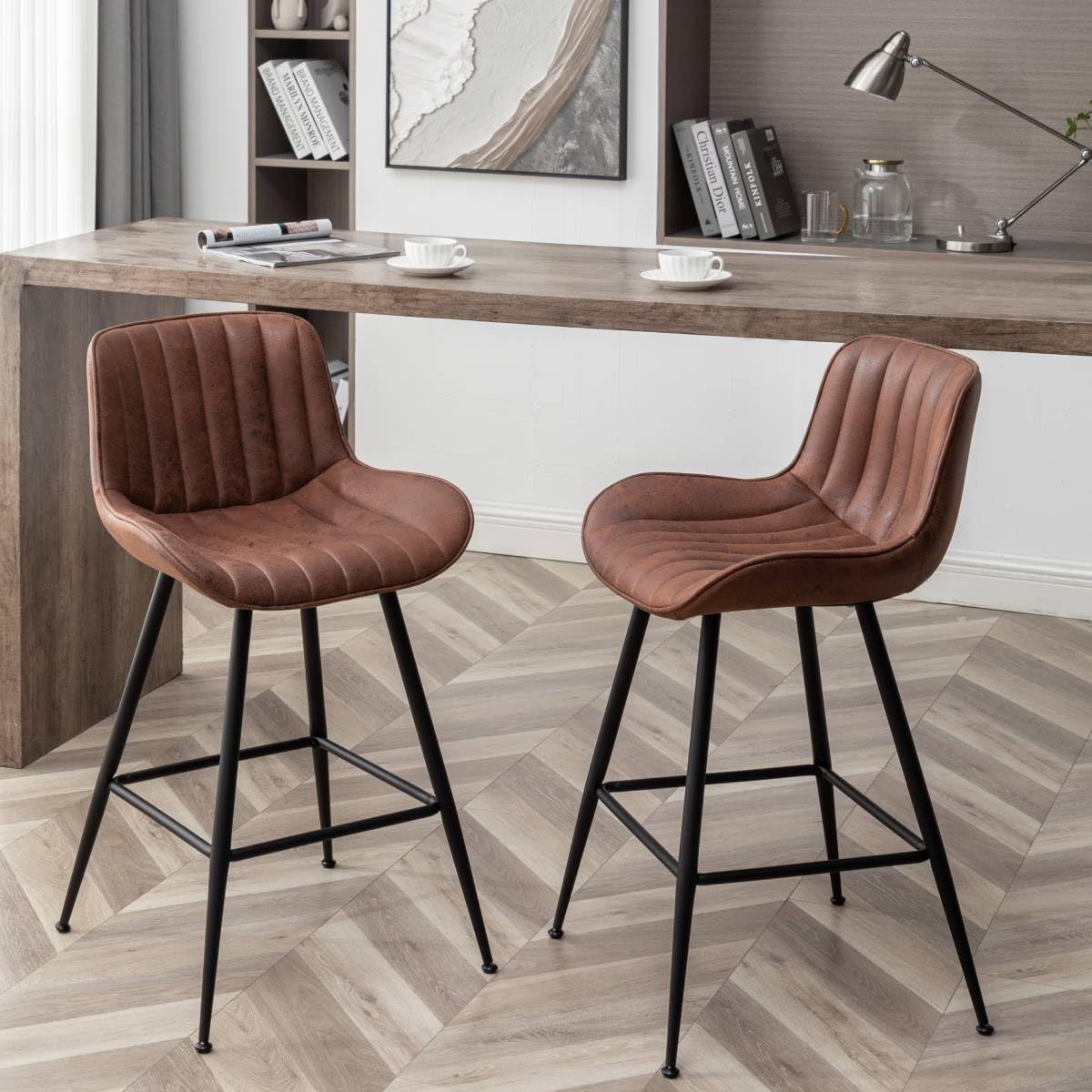
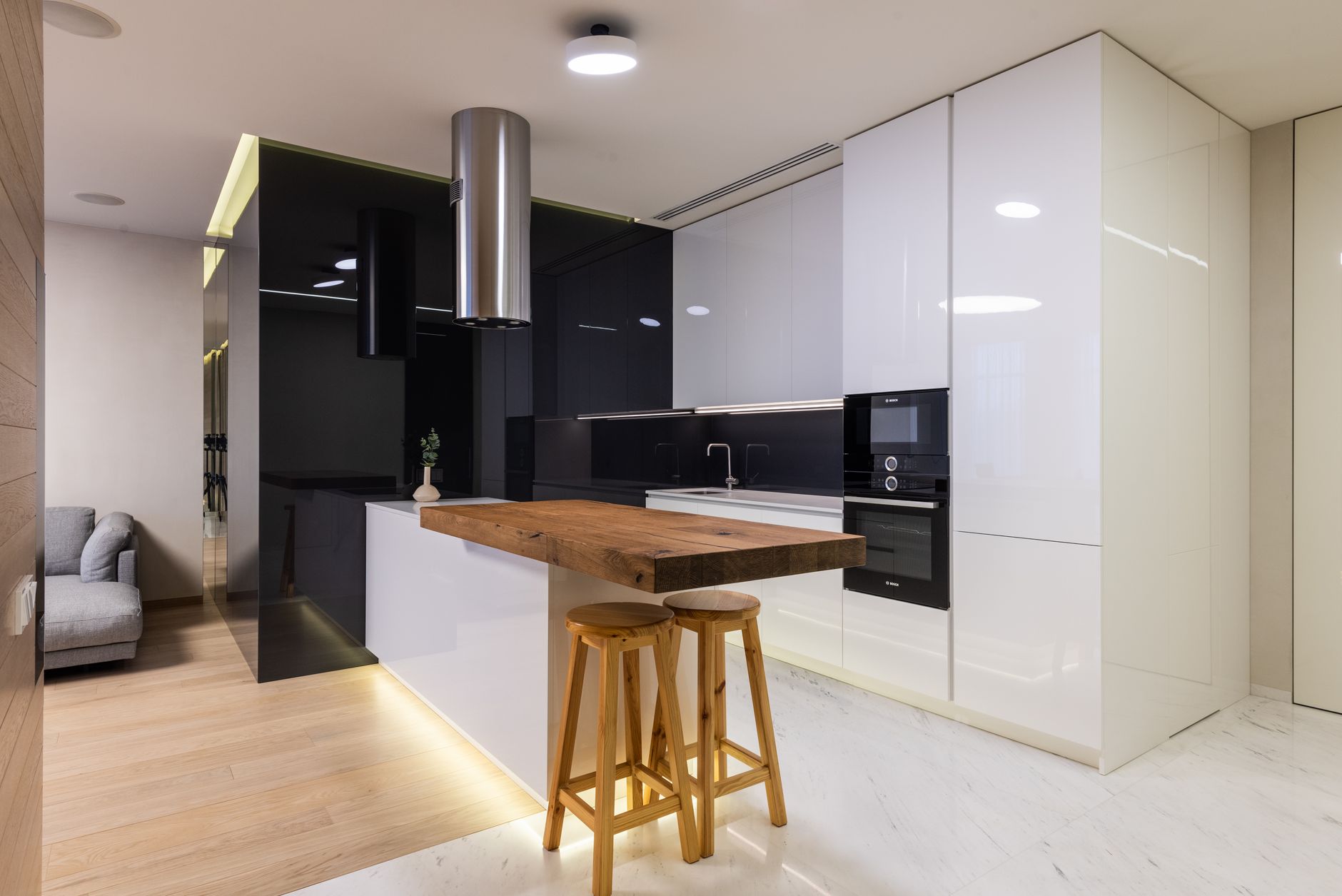
- Use the barstools photos for shape and finish, then confirm the listed size or fit details.
- Treat barstools ratings as context after the option already matches the room and job.
Common cautions
- Check seat height, base width, recline room, and desk clearance before choosing barstools.
- Match barstools to the job and room conditions before relying on the main product photo.
- Call out the biggest barstools drawback before treating an option as the front-runner.
- the barstools solve a different job than the one the buyer actually has.
- cleaning, reach, or adjustment can matter more than the first barstools photo.
- listed size details may miss the clearance, hardware, or access space the barstools need.
- scale and clearance are easy to underestimate.
FAQ
What matters most when choosing barstools?
I would start with seat height, footprint, and how often the stools will actually be used. After that, I would decide whether comfort, easy cleanup, or a smaller visual footprint matters most in your room.
What should I check before buying barstools?
Check clearance at the counter, base width, and how much room you need to pull the stool in and out. Then match the seat material to the kind of cleaning you are willing to do after regular use.
Related guides
- Renter-Friendly Home - Connects this barstools decision to the broader renter-friendly home hub.
- Furniture - Browse related furniture choices that affect the same room layout, scale, and clearance decisions.
- TV stand + viewing fit checker - Check whether a TV stand is wide enough and whether the seating distance is reasonable for the screen size.
- Best Dining Tables for Small Rooms, Seating, and Everyday Meals - More context for comparing barstools by fit, upkeep, and daily use.