Use-case map
For a dresser, I start with the job before I look at the finish. A tall fabric tower suits a narrow bedroom corner or closet zone, while a shorter piece can work better when the top needs to stay usable for a lamp, tray, or daily drop zone.
If the main need is simple clothing storage in a tight room, the best fit is usually the one that uses height well and leaves more floor open. If the room needs a surface for daily items, I give extra weight to the top and to how much visual bulk the piece adds.
That is why the shortlist here leans toward compact, upright storage first. The tradeoff is usually between drawer depth, surface utility, and how much structure the piece brings to the room.
Decision factors
Task fit matters first: do you need a tall, narrow organizer, or a lower dresser that doubles as a surface? A piece can look roomy online and still miss the real job if the drawer shape or overall height is off.
Room fit comes next. Footprint, clearance, and placement matter more than the broad room label on the listing, especially in bedrooms, closets, entryways, and shared spaces where traffic and door swing matter.
I also look at upkeep and construction signals. Fabric drawers, metal frames, water-resistant tops, anti-tip hardware, adjustable feet, and reinforced supports each change how the dresser behaves in daily use. Price spread matters too, because a lower-cost pick may do the same basic job with fewer finish details.
Rating and review-count context can help separate a broadly used item from one with little buyer feedback, but I still read it as context rather than a guarantee. The best shortlist is the one that matches the room, then the routine, then the budget.
Best for each situation
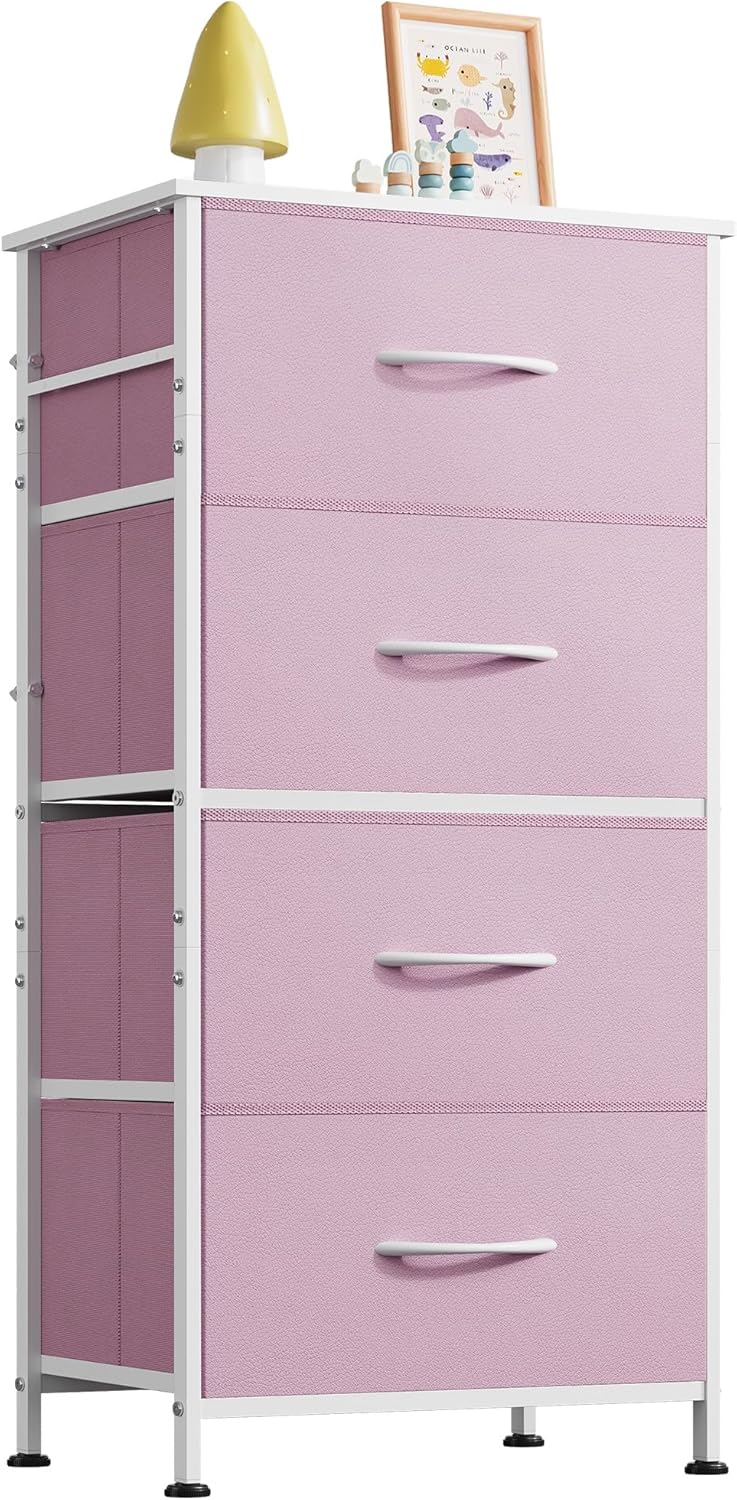
For a small-space bedroom or closet corner, WLIVE Fabric Dresser: 5-Drawer Tall Dressers for Bedroom is the clearest fit. It keeps the footprint narrow, uses height well, and gives you a hard top surface for the items that tend to pile up.
For the lowest entry price, DWVO 4 Drawers Dresser: Dresser for Bedroom is the budget pick. It is the one I would look at when the goal is basic vertical storage and the main priority is spending less, not getting extra finish detail.
For buyers who want stronger everyday utility in a compact tower, WLIVE Dresser with 4 Drawers: Storage Tower is the most balanced middle ground. It keeps the footprint modest, has a broad buyer history, and gives a straightforward storage setup that works in bedrooms, closets, and similar spots.
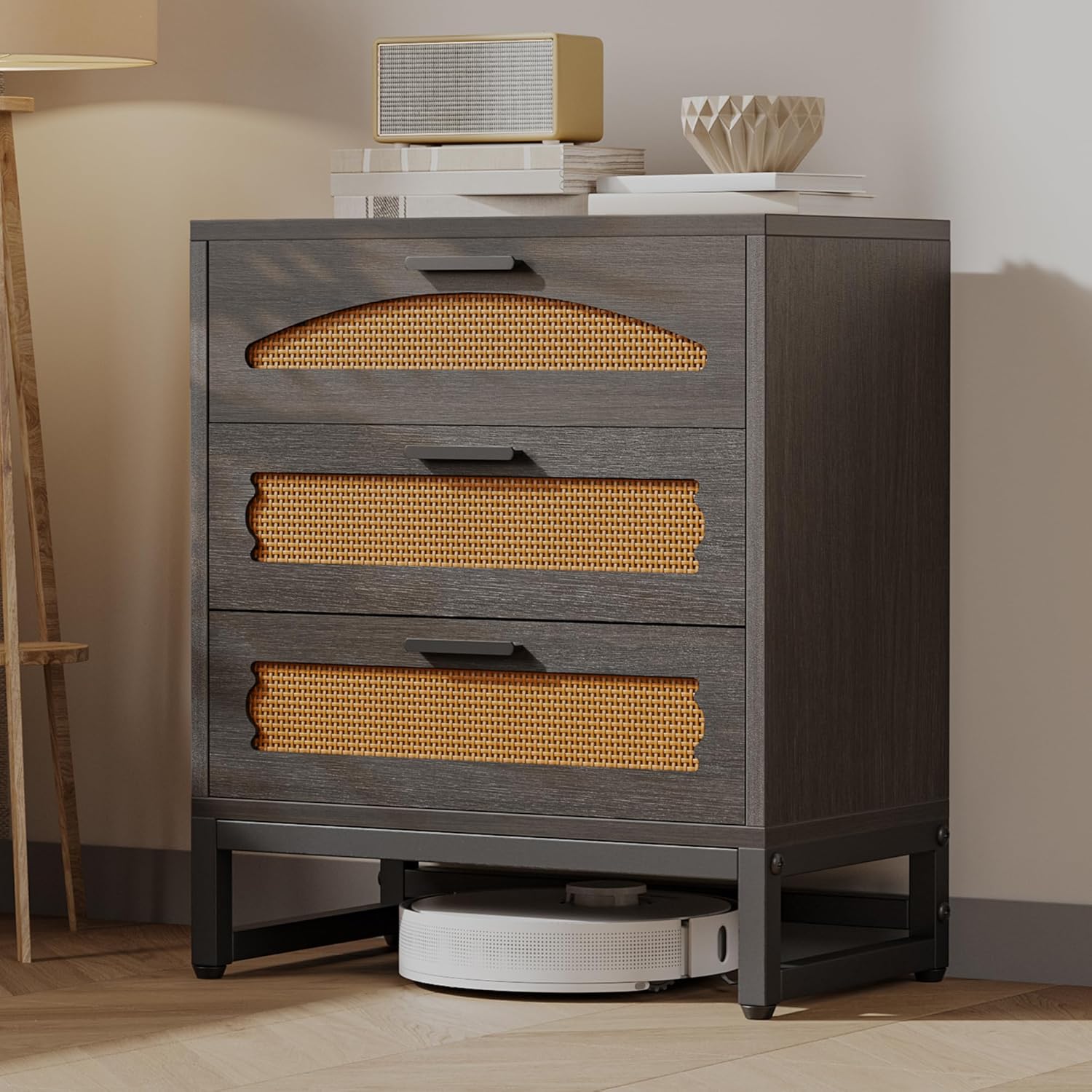
For a lower, more furniture-like profile, the 3 Drawer Rattan Dresser for Bedroom gives you a different visual and functional tradeoff. It has a wider stance and a shorter height, so it can work better when the room can handle a more grounded piece.
For extra drawer capacity in a similar vertical format, Furnulem Tall 6 Drawers Dresser: Vintage Storage Organizer Unit with Fabric Bins for Bedroom leans into maximum storage support. It is the pick I would place when the main concern is sorting a lot of smaller items rather than using the top as a daily landing surface.
Tradeoffs
The main tradeoff in this category is usually between footprint and storage behavior. Tall fabric dressers save floor space, but they can feel less substantial than a heavier wood dresser and may offer a different kind of drawer support.
A lower-cost option can be the right answer when you just need a clean storage tower and do not need upgraded materials or a more furniture-like finish. That is where the budget pick makes sense.
Spend more when the dresser has to do double duty as a visible bedroom anchor or when the room needs a sturdier-looking piece with a more finished surface. Save money when the dresser will live in a closet, utility area, or another spot where function matters more than presence.
The biggest regrets usually come from ignoring clearance, assuming all drawers behave the same, or choosing a size that solves a different storage problem than the one you actually have.
Quick answer
For dressers, the best shortlist starts with the job it needs to do, the room it needs to fit, and the compromise you are willing to accept. This guide is for readers who are choosing dressers with a clearer sense of fit, use case, maintenance, and tradeoffs. WLIVE Tall Fabric Dresser is the first pick to compare for tight bedroom corners, hallways, or closet gaps where a slim footprint matters more than a wide top. Current pricing in this set sits in the lower-cost range, and its review context is 4.4 rating from 2,740+ reviews.
How to choose between these picks
Start by matching the dressers to the room, routine, and tradeoff that matters most:
- task fit.
- room fit.
- maintenance.
- visible tradeoffs.
- material and construction signals.
- price spread.
- rating and review-count context.
- Daily usefulness.
Measure/check before buying
- Separate the dressers options by storage zone first: pantry shelf, fridge row, cabinet, sink edge, or prep counter.
- Measure shelf depth, drawer height, sink clearance, and any handles or lips that affect pull-out access.
- Check whether the material needs hand washing, wipe-down care, or drainage after daily use.
- Decide whether visibility or hidden storage matters more before choosing clear, metal, or folding designs.
- Recheck the current dressers price before relying on it as the value pick.
- Use the dressers photos for shape and finish, then confirm the listed size or fit details.
- Treat dressers ratings as context after the option already matches the room and job.
Common cautions
- Measure the exact placement area before choosing dressers.
- Match dressers to the job and room conditions before relying on the main product photo.
- Call out the biggest dressers drawback before treating an option as the front-runner.
- the dressers solve a different job than the one the buyer actually has.
- cleaning, reach, or adjustment can matter more than the first dressers photo.
- listed size details may miss the clearance, hardware, or access space the dressers need.
- dressers hardware or mounting details can change the real fit.
FAQ
What matters most when choosing dressers?
I would start with task fit, then room fit, then upkeep. If the dresser does not match the storage job or the available footprint, the rest of the details matter less.
What should I check before buying dressers?
Check the placement area, the clearance needed for access, and whether the material and drawer style match your routine. That helps prevent the most common fit and use regrets.
Related guides
- Small Bedroom Furniture - Connects this dressers decision to the broader small bedroom furniture hub.
- Furniture - Compare nearby seating, table, shelving, and room-fit decisions.
- Best Coffee Tables for Small Living Rooms, Storage, and Daily Use - Related internal guide.
- Accent Tables That Warm Up Your Space - Related internal guide for a different room-furniture comparison.