Use case map
For a comfortable everyday home, I start by asking what the cutlery actually needs to do. A tight drawer, a shared utensil tray, a kid-friendly setup, or a backup set for guests all point to different priorities.
That is why the best flatware for comfortable everyday homes is not one universal pick. It is the set that fits the drawer, the routine, and the amount of cleanup you want to repeat every week.
Decision factors
Footprint and clearance matter first. I look at whether the pieces need to live in a drawer, a cupboard, or a narrow organizer, and whether the shape creates friction when access is rushed.
Task fit and room fit come next. A simple teaspoon set supports storage and quick replacements, a mixed spoon-and-fork set covers daily dining, and longer bar spoons belong to drink prep rather than the dining table.
Maintenance is the other big filter. Dishwasher-safe construction, finish visibility, and how easily wear shows on a polished surface can matter more than the first impression in a product photo.
Best for each situation
For storage support, the 16-piece teaspoon set is the clearest match. It gives a compact silver stainless steel option with enough quantity for daily rotation, guest backup, and replacing missing pieces without overcommitting drawer space.
For everyday dining with a single purchase, the 24-piece spoon-and-fork set is the broadest fit. It covers the usual table load for home use, travel, or camping, and its dishwasher-safe care keeps cleanup straightforward.
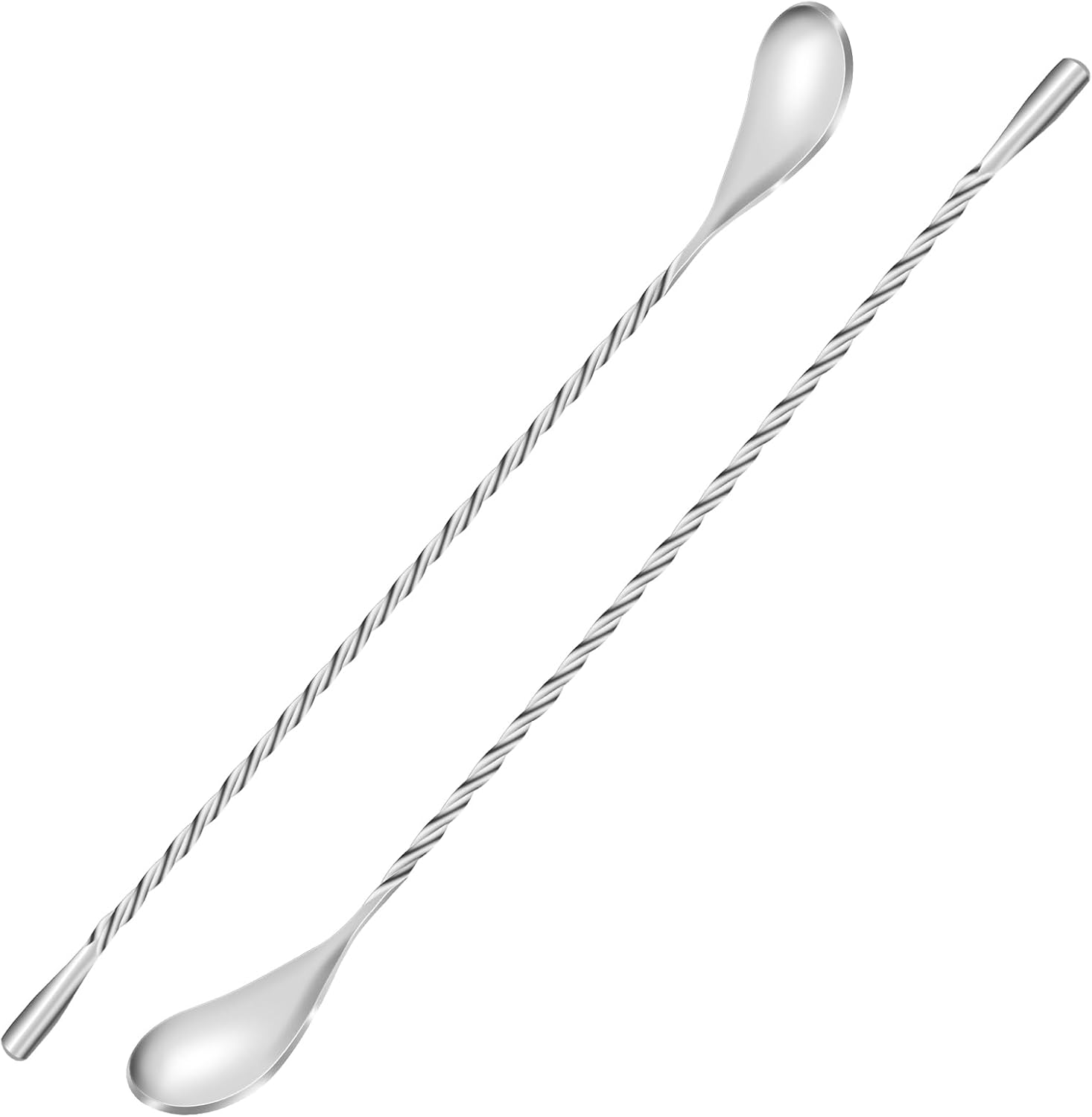
For small-space drink prep, the 2-piece 12-inch bar mixing spoon set makes the most sense. The longer profile is better suited to tall cups and mixing tasks than to general table service, so it solves a different problem on purpose.
For cleanup and maintenance focus, the toddler utensil set is the easiest to justify when the household needs dishwasher-safe cutlery that is sized for kids and used indoors day after day.
Tradeoffs
The main tradeoff in this category is job overlap. Some sets look similar at first glance, but the real difference is whether they solve storage, table service, drink mixing, or kid use.
Price spread also changes the decision. Lower-cost options can handle the same basic task with fewer pieces or fewer extras, while a higher price usually buys a broader set or a more complete household reset.
I would spend more when the set needs to cover a wider routine or replace several mismatched pieces at once. I would spend less when the only goal is to fill a narrow gap, such as backup teaspoons or a drink-stirring tool.
Quick answer
For flatware, the best shortlist starts with the job it needs to do, the room it needs to fit, and the compromise you are willing to accept. This guide is for readers who are choosing flatware with a clearer sense of fit, use case, maintenance, and tradeoffs. MUTNITT Teaspoon Set is the first pick to compare for homes that want extra teaspoons on hand for dessert, coffee, and backup place settings without adding much drawer clutter. Its current price signal is Under $25. Its review context is 4.5 rating from 8,565+ reviews.
How to choose between these picks
Start by matching the flatware to the room, routine, and tradeoff that matters most:
- footprint and clearance.
- task fit.
- room fit.
- maintenance.
- visible tradeoffs.
- material and construction signals.
- price spread.
- Daily usefulness.
Measure/check before buying
- Measure the drawer interior before comparing flatware layouts.
- Measure width, depth, and usable height, and make sure any expandable edge will not crowd neighboring utensils or drawer hardware.
- Sort the items you use daily from occasional pieces before choosing compartments.
- Decide whether fixed slots or adjustable storage will create less friction.
- Recheck the live listing before you call any item the best deal, since prices and stock can shift quickly.
- Let the photos clarify shape and handle style, then confirm dimensions in the product details so the fit does not surprise you later.
- Treat star ratings as a tiebreaker after you have confirmed the piece fits the drawer and the job.
Common cautions
- Measure the exact placement area before choosing flatware.
- Look at the material and surface finish together, since both change how much care the piece needs and how heavy it feels visually in a drawer or on a table.
- Do not shortlist flatware from the main photo alone; match the product type to the job first.
- Call out the main compromise first so the shortlist is based on the real drawback, not the polished first impression.
- the flatware solve a different job than the one the buyer actually has.
- Day-to-day cleanup and how often you reach for it can matter more than the showroom look.
- the listed footprint may leave out trim, drawer lips, neighboring tools, or other clearance needs around the placement area.
FAQ
What matters most when choosing flatware?
I start with the job, then the space it has to fit, then the upkeep I am willing to repeat. That keeps the shortlist tied to use instead of just the first visual impression.
What should I check before buying flatware?
Measure the drawer or placement area, compare the material and care notes, and name the most likely downside before you buy. That is the fastest way to avoid a mismatch between the product and the room.
Related guides
- Drawer Organization - Connects this flatware decision to the broader drawer organization hub.
- Kitchen tools - More kitchen tools guides for related drawer and storage decisions.
- Drawer organizer size calculator - Estimate practical drawer organizer dimensions after clearance for rails, liners, lips, and lift-out space.
- Tidy Up Your Flatware: Smart Storage Ideas for a Warm Home - Related internal guide.