Use-case map
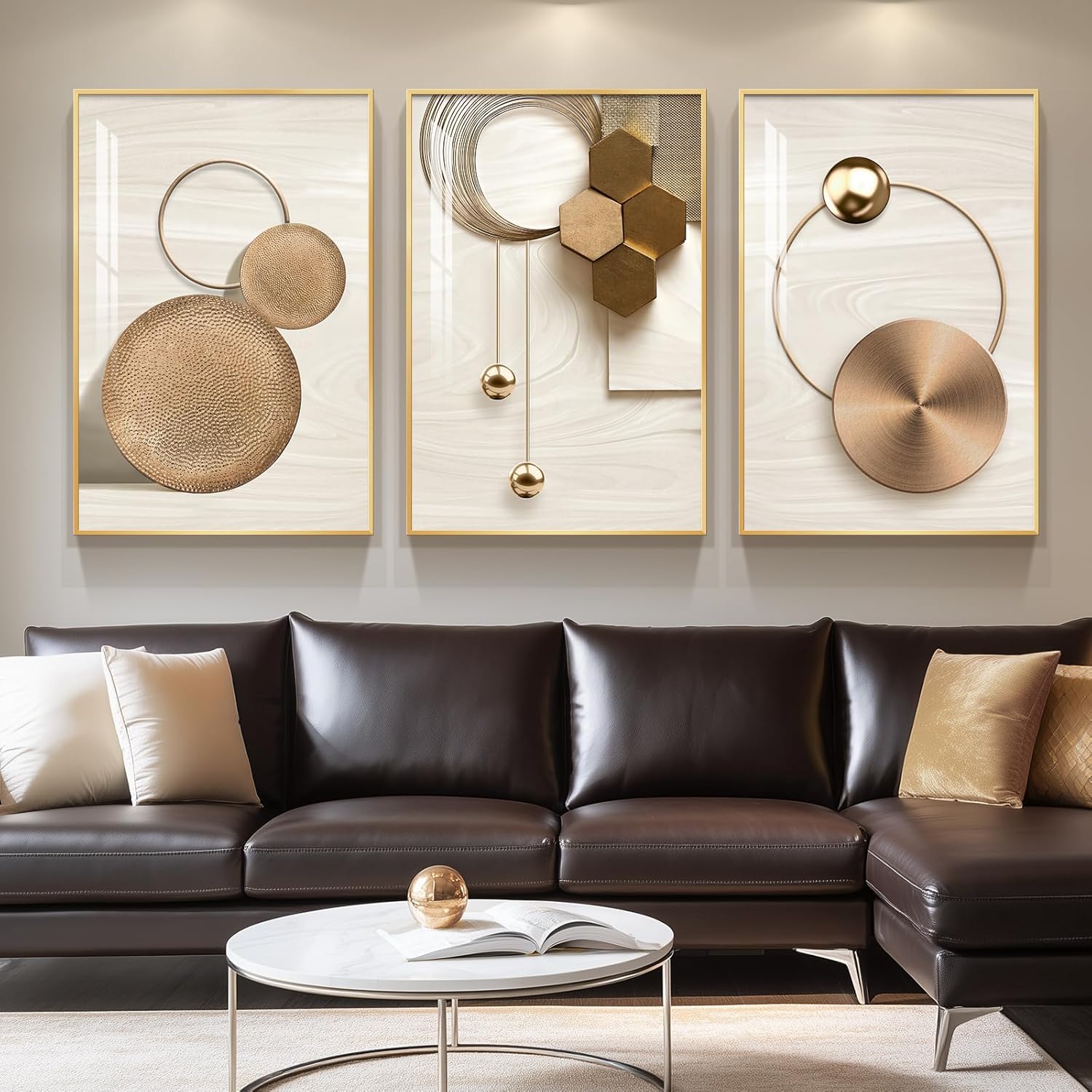
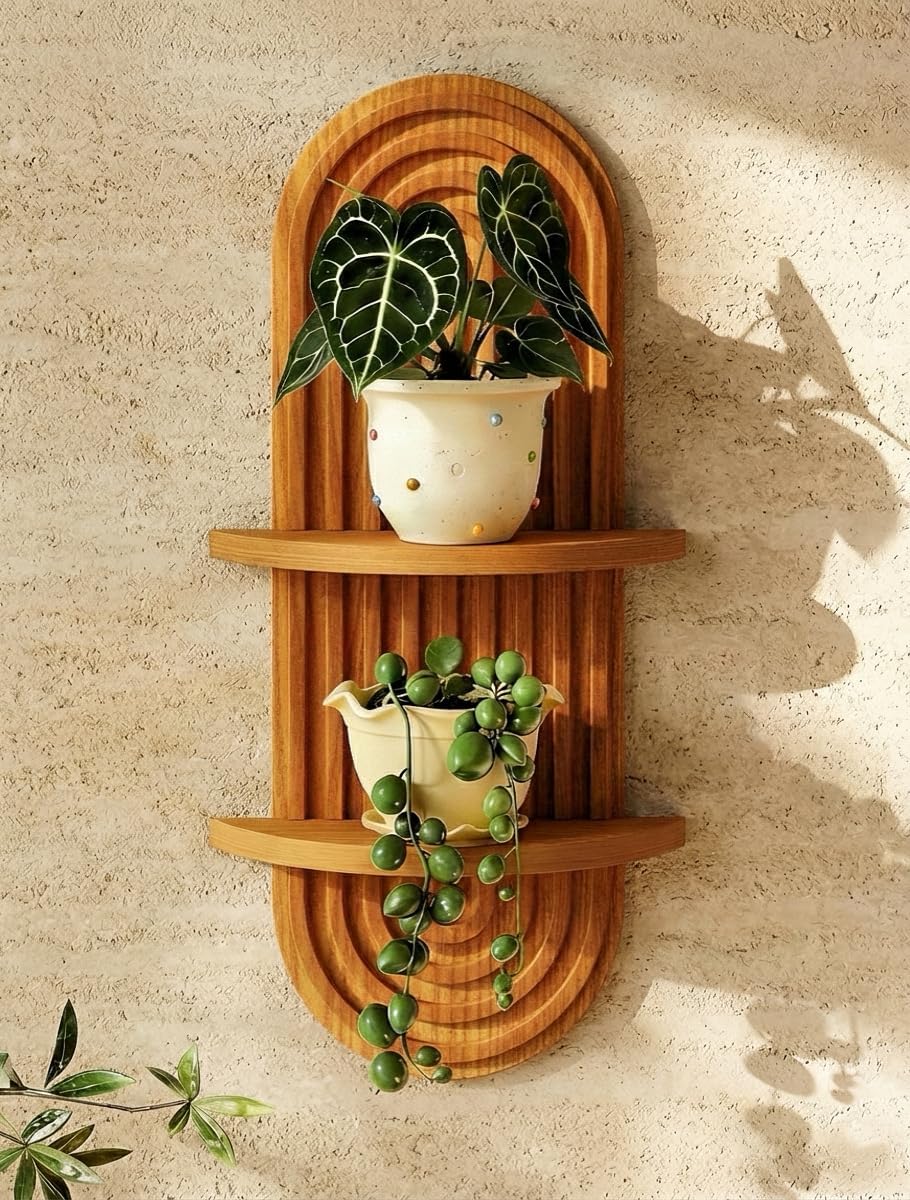
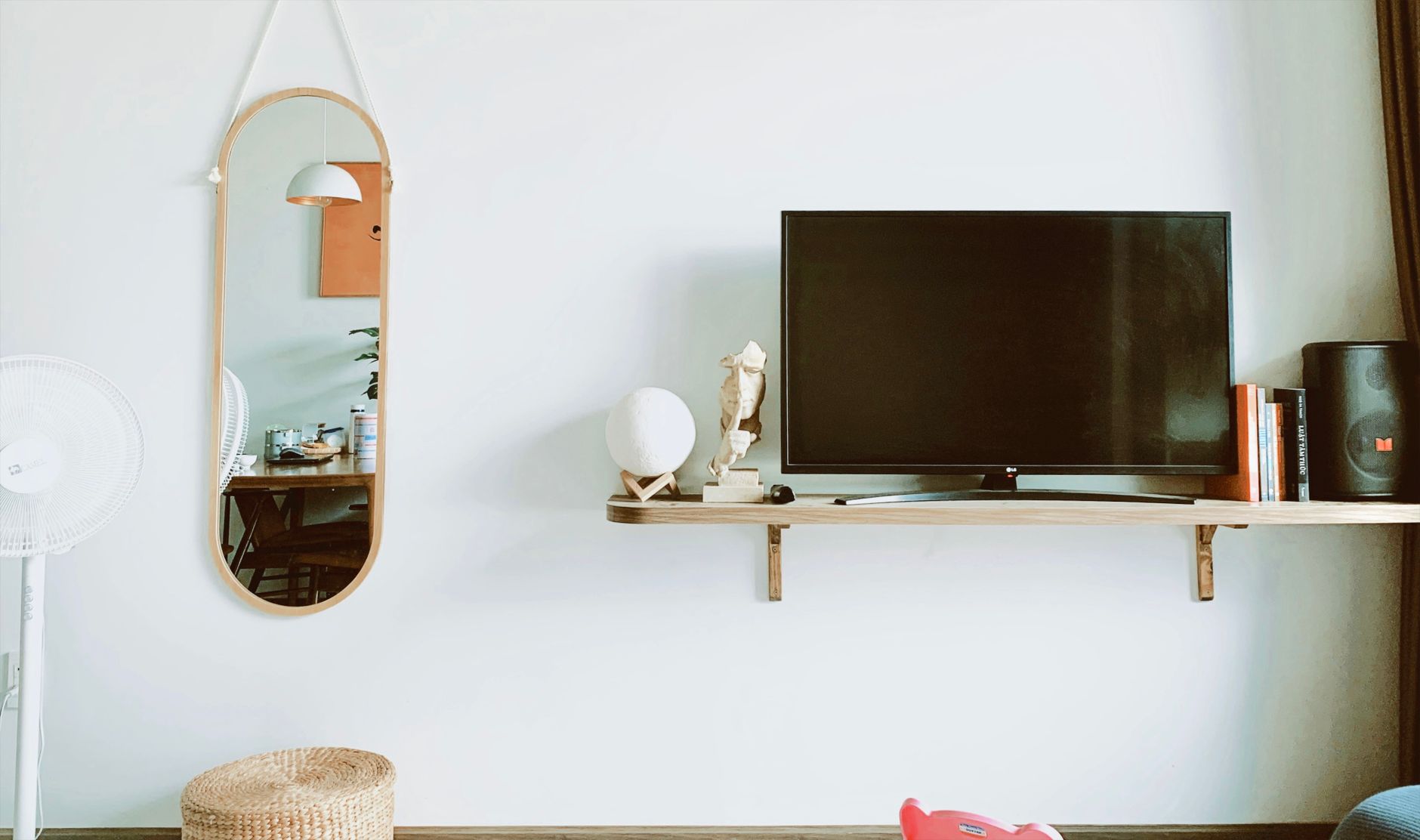
I start with the job, not the style. A floating shelf works best when the wall needs a little landing zone for keys, a candle, a small stack of books, or a plant. Framed art and layered wall pieces work better when the room already has enough surface storage and the goal is to soften a blank span of wall.
For a narrow console, hallway, vanity, or bedside wall, the right pick depends on how much visual weight you want the room to carry. One sculptural piece can quiet a corner, while a set of smaller pieces can spread the effect across a larger wall without feeling heavy.
Decision factors
Footprint and clearance come first. I look at whether the piece needs depth on a shelf, open wall space around a frame set, or breathing room near lamps, faucets, or table edges. In a tight room, even a small piece can become awkward if it competes with the furniture underneath it.
Task fit matters just as much. A shelf answers a storage question, while wall art answers a visual balance question. If the space needs dust-friendly decoration, I lean toward simpler surfaces and easier mounting. If the room sees steam, splashes, or frequent touching, maintenance should count as much as the first photo.
Price spread also changes the shortlist. Lower-cost pieces can handle the basic job with fewer details, while higher-priced options tend to ask for more wall space and a more deliberate placement plan. I spend more when the room needs a stronger focal point or a more finished surface; I save when the wall only needs a small, contained accent.
Best for each situation
For the most flexible small-surface setup, the HOOBRO Floating Shelves set is the strongest overall fit in this group. The two-tier layout gives a narrow wall a useful landing spot, and the modest depth helps it stay tucked in where a bulkier piece would crowd the room. It suits the buyer who wants function first and can handle assembly.
For the lowest-cost shelf-style accent, the Bamworld Boho Wall Decor Plant Shelf is the budget pick. It works best when the goal is a lighter decorative shelf for a small room, but the tradeoff is clearer: less capacity and a smaller shelf footprint, so I would not use it as the main catchall in a busy spot.
For a bathroom wall or any place where moisture and upkeep matter, the 3D Wooden Floral Bathroom Wall Decor set is the most straightforward pick. It adds texture without asking for shelf space, and the framed format keeps the job simple when the wall needs decoration more than storage. I would choose it for a cleaner visual finish, not for utility.
Tradeoffs
The main tradeoff across this shortlist is storage versus simplicity. Shelves give you a place to set things down, but they also ask for more clearance and more tidying. Wall art keeps the wall cleaner and less cluttered, but it does not help with daily drop zones.
Material and construction signals matter because they affect upkeep. Engineered wood and metal can be a good match for a shelf that needs structure, while framed art is easier to place when you want a lighter visual presence. A decorative wall piece that looks easy to care for may still need more attention if it sits near water, wax, or frequent dust.
I would spend more when the wall is doing an important visual job or when placement is tricky. I would spend less when the room needs a simple accent and the main concern is fit, not finish detail. That keeps the shortlist grounded in the real problem instead of the most dramatic photo.
Quick answer
For wall decor, the best shortlist starts with the job it needs to do, the room it needs to fit, and the compromise you are willing to accept. This guide is for readers who are choosing wall decor with a clearer sense of fit, use case, maintenance, and tradeoffs. HOOBRO Floating Shelf Set is the first pick to compare for a narrow wall spot in a bedroom, hallway, or bath where you want a little display space without bringing in a deeper cabinet.. Its current price signal is Under $25. Its review context is 4.5 rating from 1,262+ reviews.
How to choose between these picks
Start by matching the wall decor to the room, routine, and tradeoff that matters most:
- footprint and clearance.
- task fit.
- room fit.
- maintenance.
- visible tradeoffs.
- material and construction signals.
- price spread.
- Daily usefulness.
Measure/check before buying
- Separate the wall decor options by display surface first: coffee table, shelf, mantel, console, or vanity.
- Measure usable surface depth and leave open space around lamps, books, remotes, candles, or table edges.
- Check whether the finish will mostly need dusting, gentle wiping, or extra care around water and wax.
- Decide whether the room needs one sculptural focal point, a contained tray, or a softer linear accent.
- Recheck the current wall decor price before relying on it as the value pick.
- Use the wall decor photos for shape and finish, then confirm the listed size or fit details.
- Treat wall decor ratings as context after the option already matches the room and job.
Common cautions
- Measure the exact placement area before choosing wall decor.
- Check size, compatibility, and maintenance tradeoffs before buying.
- Match wall decor to the job and room conditions before relying on the main product photo.
- Call out the biggest wall decor drawback before treating an option as the front-runner.
- the wall decor solve a different job than the one the buyer actually has.
- cleaning, reach, or adjustment can matter more than the first wall decor photo.
- listed size details may miss the clearance, hardware, or access space the wall decor need.
FAQ
What matters most when choosing wall decor?
I would start with the room’s job, then check footprint, clearance, and maintenance. A wall piece should fit the wall and the routine around it, not just the color palette.
What should I check before buying wall decor?
Measure the placement area, note nearby furniture or fixtures, and think through dusting, wiping, or moisture exposure. Then compare whether you want storage, texture, or a simple focal point.
Related guides
- Renter-Friendly Home - Connects this wall decor decision to the broader renter-friendly home hub.
- Cozy Home - Compare nearby comfort, lighting, textile, and room-finishing decisions.
- How to Soften a Narrow Living Room Corner with Wall Decor - Same topic support article.
- Best Mirrors for Small Rooms, Vanity Corners, and Brighter Walls - Related internal guide.