Use-case map
The best window treatments for comfortable everyday homes depend on the job first, not the fabric photo. I start by sorting the room into one of three jobs: soften daylight, add privacy, or block light for sleep and screen use.
Sheer panels suit rooms that need brightness with a lighter visual footprint. Light-filtering linen blends work better for daytime privacy and a little more texture. Blackout panels make more sense for bedrooms, naps, or any room where light control matters more than a soft daytime look.
If you are trying to choose quickly, match the treatment to the room rhythm: a living room often wants softer daylight, a bedroom often wants stronger light control, and a nursery or media area usually needs the most coverage.
Decision factors
Footprint and clearance matter more than many shoppers expect. Rod style, panel width, stack space, and the path beside doors or furniture can change whether a treatment feels tidy or crowded once it is hanging.
Task fit comes next. Some window treatments mainly soften glare, some reduce visibility from outside, and some are built to hold back much more light. If the room has a specific job, choose the treatment that handles that job most directly.
Maintenance is the other daily factor. Sheers tend to be visually light, while textured or blackout styles usually bring more material and a bit more upkeep. I also pay attention to visible tradeoffs: a lighter panel can give up privacy, while a darker or thicker panel can feel heavier at the window.
Price spread matters because the lower-cost option may solve the basic job with fewer finish details, while the higher-priced option may bring more coverage, more hanging flexibility, or a more finished look. Spend more when the room needs a stricter light-control job or a more precise fit; do not spend more just to solve a simple daylight-softening need.
Best for each situation
For bright living rooms, OWENIE Sheer Curtains are the easiest match here. They keep the window open visually and work well for softness rather than coverage, especially in rooms that already get enough daylight.
For a room that needs daytime privacy with a bit more substance, Olive Green Linen Curtains are the most balanced pick. The linen-blend look brings more visual weight than a sheer panel, and the hanging options make them easier to adapt to a few common setups.
For bedrooms that need serious light blocking, NICETOWN Gray Blackout Curtains are the straightforward budget route. They make sense when sleep support matters more than decorative layering and you want a lower-cost blackout option.
For a more finished blackout setup, H.VERSAILTEX Linen 100% Blackout Curtains are the step up. They are the better fit for strong light control and a more textured surface at the same time.
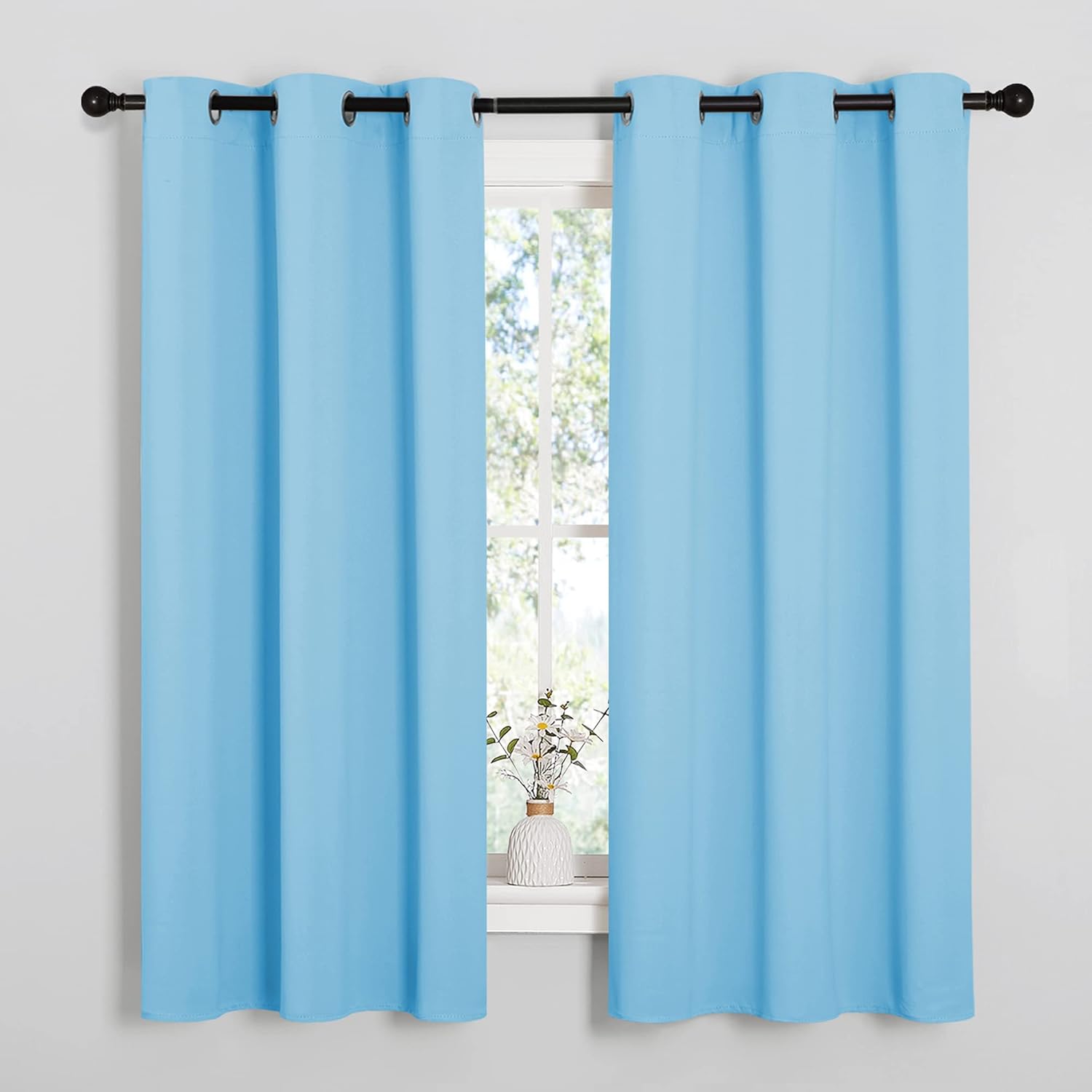
For a simple blackout option in a smaller room or secondary space, NICETOWN Light Blue Curtains for Nursery are the compact, task-first pick. They suit rooms where coverage matters most and you do not need a decorative-heavy treatment to carry the space.
Tradeoffs
The main tradeoff is always between openness and coverage. Sheer panels are easiest on the eye, but they give up privacy and light blocking. Blackout panels solve more of the room problem, but they add bulk and can feel visually heavier at the window.
There is also a difference between cheap and simple. The least expensive option may handle one job well, yet it may offer fewer hanging choices or a less substantial look. The better move is to spend where the room needs more control, not just where the fabric looks richer.
A final caution: rod width, drop length, mount style, and glass coverage should all be confirmed before you buy. The product that looks right in a photo can still be the wrong choice if clearance is tight, the panel stack is too wide, or the mounting style does not suit the window.
Quick answer
For window treatments, start with light control, privacy, mounting style, and fabric care before comparing color or texture. This guide is for readers who are choosing window treatments with a clearer sense of fit, use case, maintenance, and tradeoffs. Owenie Sheer Panels is the first pick to compare for rooms that need daylight softened first, especially living rooms, bedrooms, or a front window where a light layer matters more than heavy coverage. Its current price signal is Under $25. Its review context is 4.7 rating from 15,709+ reviews.
How to choose between these picks
Start by matching the window treatments to the room, routine, and tradeoff that matters most:
- footprint and clearance.
- task fit.
- room fit.
- maintenance.
- visible tradeoffs.
- material and construction signals.
- price spread.
- Daily usefulness.
Measure/check before buying
- Decide whether the window needs sheer filtering, daytime privacy, or blackout coverage.
- Measure rod width, panel drop, mount position, and stack-back room beside the glass.
- Check whether the fabric is machine washable, steam-friendly, or likely to hold wrinkles.
- Choose opacity before choosing color so the room gets the right amount of light control.
- Recheck the current window treatments price before relying on it as the value pick.
- Use the window treatments photos for fabric weight and hanging style, then confirm the listed panel size.
- Treat window treatments ratings as context after the opacity, length, and hardware already fit the room.
Common cautions
- Measure rod width, drop length, mount style, and glass coverage before choosing window treatments.
- Match the treatment type to the room first: sheer, light-filtering, or blackout.
- Check the main drawback upfront, especially privacy loss, fabric bulk, or hardware fit.
- the window treatments solve a different job than the one the buyer actually has.
- a panel can look right online but feel too thin, too dark, or too bulky once hung.
- rod pocket, grommet, back-tab, or clip-ring hardware can change how easily the curtain moves.
- fabric care and wrinkle control can become the part you notice after installation.
FAQ
What matters most when choosing window treatments?
Start with the job: light control, privacy, or a softer visual edge. Then check footprint, mounting style, and upkeep so the treatment fits the room as well as the window.
What should I check before buying window treatments?
Measure rod width, drop length, mount style, and the space around the window. Then match the product type to the room’s daily use so you do not end up with more coverage or more bulk than you need.
Related guides
- Cozy Home Under $50 - Connects this window treatments decision to the broader cozy home under $50 hub.
- Cozy Home - More soft furnishings and room-finish guides for adjacent buying decisions.
- Cozy Home Decor: 5 Timeless Accents to Warm Up Your Space - Related internal guide.
- Best Mirrors for Small Rooms, Vanity Corners, and Brighter Walls - Related internal guide.