Quick answer
The main decision is heat. Wax paper is useful for counter prep, wrapping, and separating sticky foods, but it should not be used as an oven liner. Parchment paper is the better choice for sheet pans and moderate oven baking. Tulip cupcake liners are best when presentation matters, while standard liners are the practical choice for everyday cupcakes, muffins, or tarts.
If drawer or cabinet space is already tight, start with the Kitchen Tools for Everyday Cooking hub and use the drawer organizer size calculator before adding more rolls, liners, or single-task baking supplies.
Who this is for
This guide is for a kitchen where baking cleanup creates friction: dough sticks to the counter, sheet pans need extra scrubbing, or liners do not match the batter and pan. It is especially useful if wax paper, parchment paper, and cupcake liners are being used interchangeably.
For broader prep and serving tools, the Kitchen tools category has related guides. The goal here is narrower: choose the small bakeware helpers that reduce mess without taking over the drawer.
What to check before buying
Check the heat use first. Wax paper belongs with counter prep and wrapping tasks. Parchment paper belongs with oven-safe sheet-pan work, within the heat guidance on the package. Cupcake liners need enough structure for the batter and enough height for the pan.
Check storage next. Rolls can be awkward in shallow drawers, and large packs of liners only help if the size matches pans already in the kitchen. If the baking routine is occasional, a smaller, more versatile option may be better than several specialty packs.
Finally, match the product to cleanup. Parchment helps with baked-on residue. Wax paper helps with sticky prep. Liners help with release and presentation, but they do not fix an overfilled cup or the wrong batter texture.
Product/use-case table
| Pick | Best use | Main caution |
|---|---|---|
| Reynolds Cut-Rite Wax Paper Roll | Dough prep, wrapping, candy work, and counter messes | Not a high-heat oven liner |
| Reynolds Unbleached Parchment Paper Roll | Sheet-pan baking and moderate oven-safe prep | Avoid broiling, direct flame, or extreme heat |
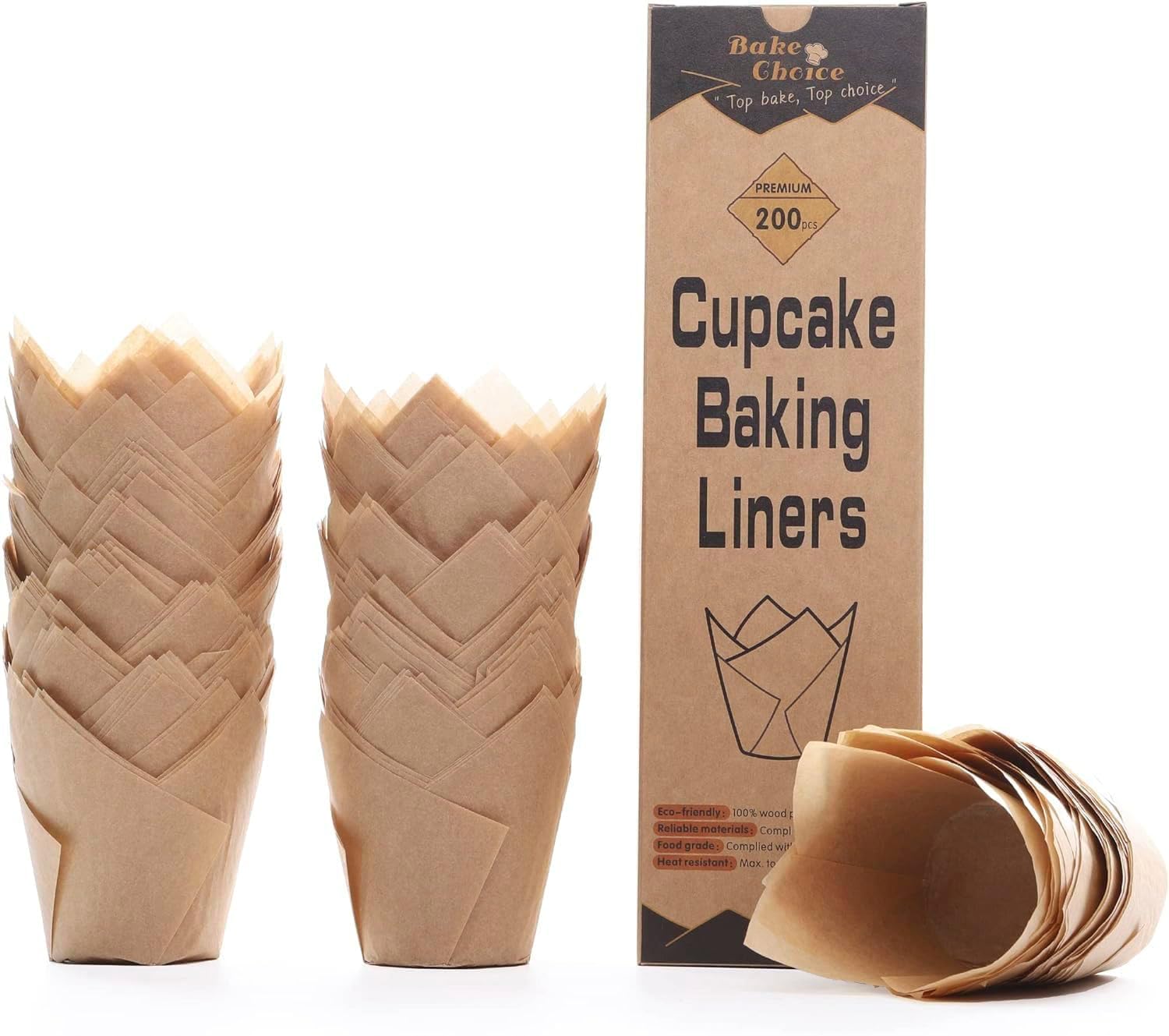
| Bake Choice Tulip Cupcake Liners | Presentation-focused muffins and cupcakes | Less suited to heavy or very runny batter |
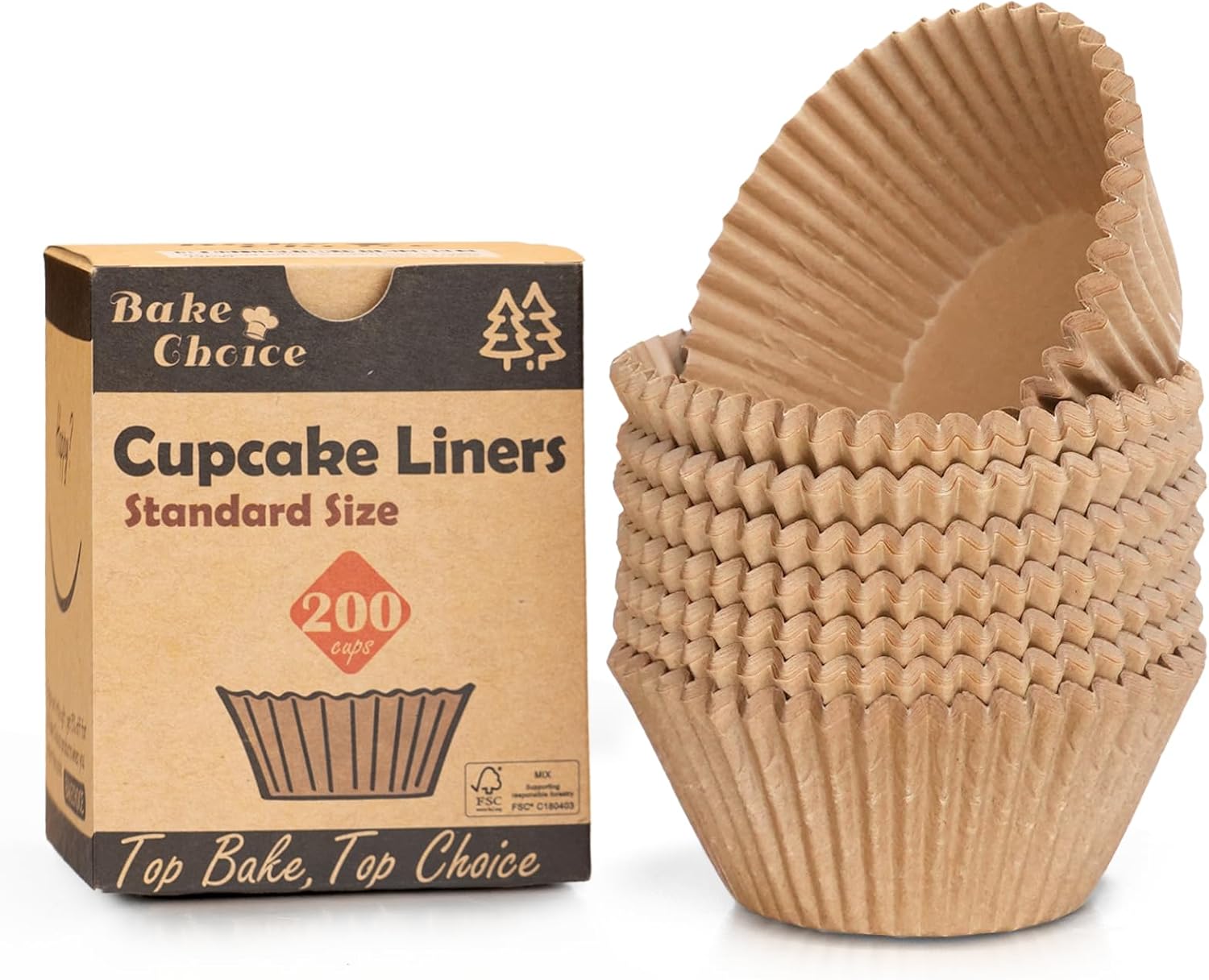
| Bake Choice Standard Cupcake Liners | Everyday cupcakes, tarts, and routine baking | Less decorative than tulip liners |
Product-by-product notes
Reynolds Cut-Rite Wax Paper is the prep helper in this group. It can keep dough, candy, or sticky ingredients from clinging to the counter, and it is inexpensive enough for small messes. The tradeoff is important: it is not a parchment substitute for oven lining.
Reynolds Unbleached Parchment Paper is the more useful choice for sheet pans. It suits cookies, roasted vegetables, and other moderate-heat tasks where release and cleanup matter. Skip it for broiling, direct flame, or jobs that call for a sturdier high-heat surface.
Bake Choice Tulip Cupcake Liners are mostly about presentation. They can make muffins or cupcakes look more finished without extra decorating, but the taller shape is not the best fit for every batter. Avoid overfilling them or using them for very dense mixtures.
Bake Choice Standard Cupcake Liners are the practical everyday option. They do not add the same visual height as tulip liners, but they are easier to match with regular pans and no-fuss recipes. Skip them if the goal is a bakery-style presentation.
Common tradeoffs
The cheapest bakeware helper can become wasteful if it is used for the wrong job. Wax paper, parchment, and liners look simple, but they solve different problems. The safer approach is to keep one product for prep mess, one for oven-safe lining, and one liner style that matches the pan used most often.
The other tradeoff is storage. Rolls, liner packs, silicone mats, and pans all compete for drawer or pantry space. If a tool only supports one rare recipe, it should earn its space more carefully than something used every week.
FAQ
Can wax paper go in the oven?
No. Wax paper is for prep, wrapping, separating, and counter protection. Use parchment paper or another oven-safe product for sheet-pan baking.
Are tulip cupcake liners better than standard liners?
Tulip liners are better for presentation and taller baked goods. Standard liners are better for routine cupcakes, tarts, and recipes where simple release matters more than appearance.