Fit problem
When I shop for coffee and tea tools for a small kitchen, I start with the space they have to live in, not the photo on the listing. A grinder, frother, pitcher, or cleaning cloth only works well when its footprint matches the drawer, counter, or fridge shelf I can actually spare.
The common miss is scale: a tool can look compact online and still crowd the counter, block a cabinet door, or get annoying to reach during a rushed morning. I look first at the job, then at the storage spot, then at the cleanup path.
Dimensions and clearance
For coffee and tea dimensions, I check the footprint first and then the clearance around it. That means height under a cabinet, depth on a shelf, and the room needed to open lids, lift bowls, or pour without bumping other items.
The four products here solve different space problems. A blade grinder with hideaway cord storage suits a tight counter; a handheld frother suits a drawer; a fridge pitcher needs shelf space more than counter space; and microfiber towels need a hook or small hanging spot close to the brewing area. I care less about how they look staged and more about whether they can sit where the routine actually happens.
Placement mistakes
Avoid choosing by listing photo alone. The cheapest-looking option can still be the better fit if it clears the cabinet underside, tucks into a drawer, or stores beside the kettle instead of taking over the counter.
The most common mistakes are mixing up useful size with visual size, forgetting about cord storage, and underestimating cleanup access. A grinder that is easy to tuck away, for example, can be a better daily fit than a prettier appliance that stays out because putting it away is annoying. The same goes for a pitcher in the fridge: if it needs more shelf room than you expected, it stops being convenient fast.
Product examples
The Hamilton Beach Coffee Grinder makes the most sense when the main goal is quick whole-bean grinding and the kitchen cannot absorb another bulky appliance. I read it as a compact counter tool with a simpler cleanup path, but it is still a blade grinder, so the tradeoff is less control over grind consistency.
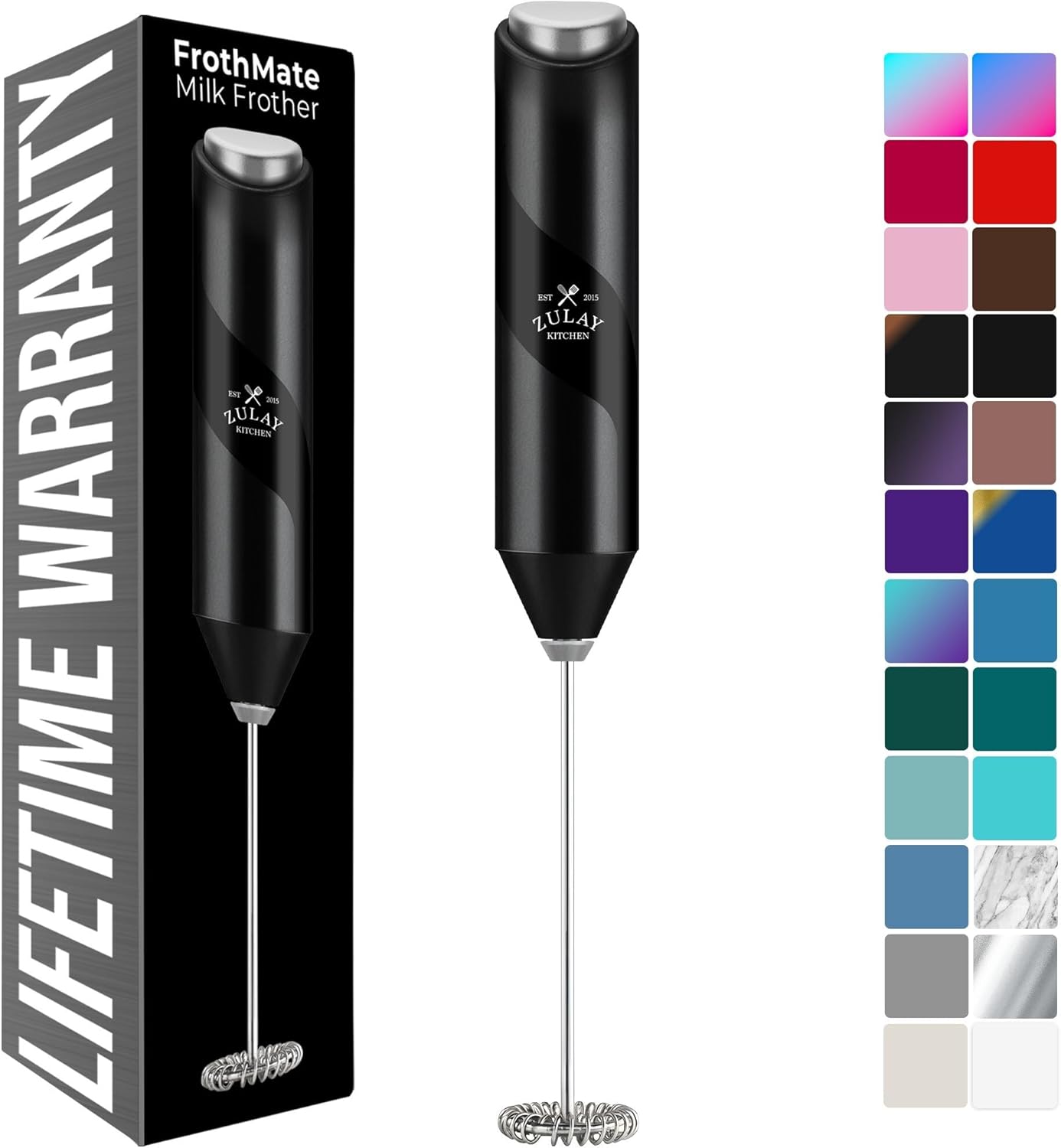
The Zulay Milk Frother Wand is the smallest-footprint option here, which helps if drawer space is tight and you only want foam for one mug at a time. It is a good example of a tool that solves a narrow task cleanly, while asking you to accept batteries and a smaller mixing head.
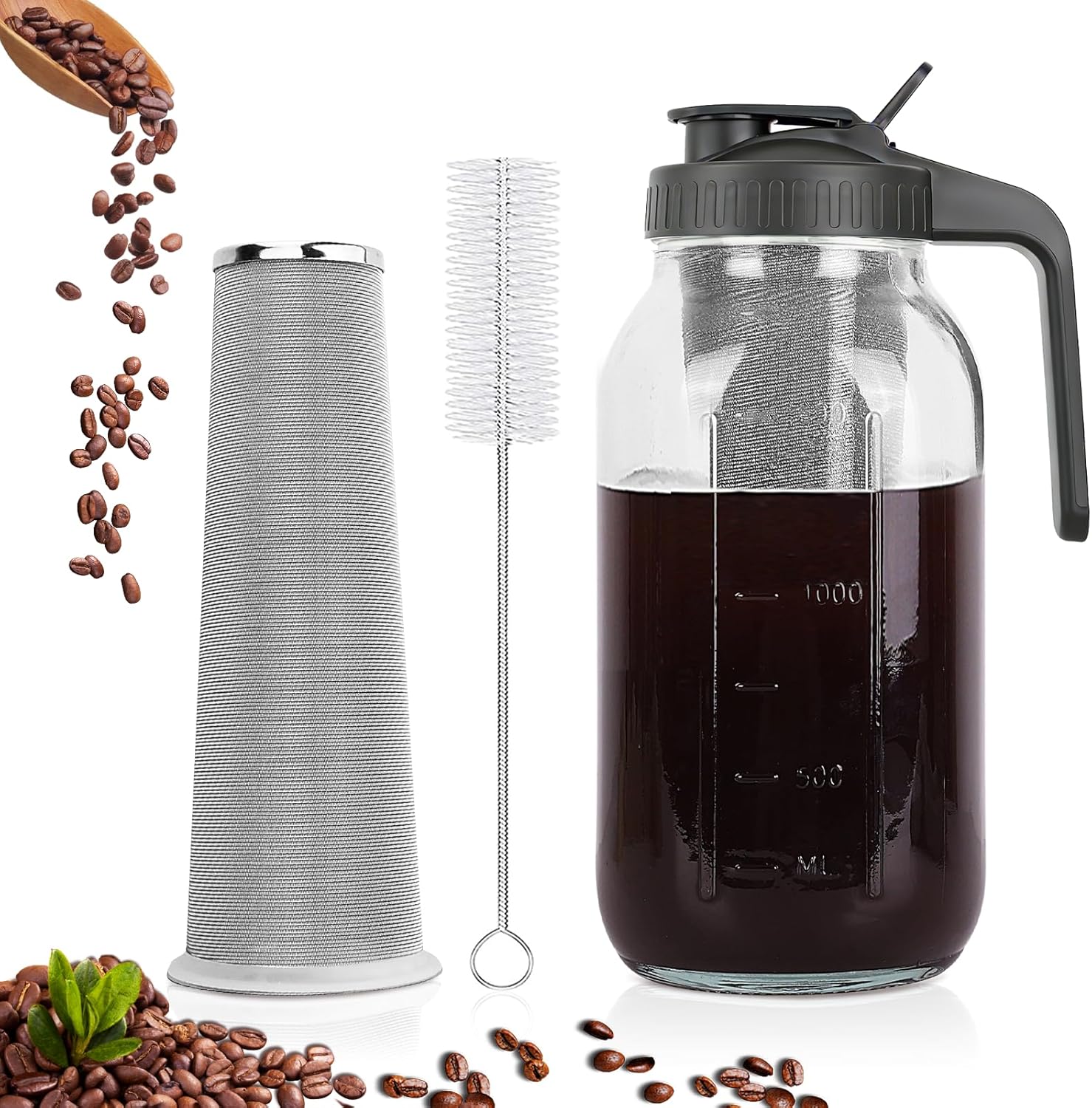
The 64 oz Cold Brew Pitcher shifts the storage question to the fridge instead of the counter. It is the best match when a household will work through a larger batch and wants steeping, straining, pouring, and storing in one container. The tradeoff is simple: if your fridge space is limited or you need hot-liquid flexibility, it is the wrong shape for the job.
The 6-Pack Barista Towels are the easiest fit to overlook, yet they matter in a crowded setup because they need almost no room and can hang near the machine. I would choose them when cleanup happens often and the real question is not brewing capacity but where to keep wipe-down cloths within reach.
Final fit checklist
Before buying, confirm where the item will live: counter, drawer, cabinet, fridge shelf, or hook. Then check the source dimensions, the clearance you need to open or pour, and whether the piece will sit close to the sink, kettle, or brewing spot.
Next, compare material and finish details for upkeep and visual bulk. If a product is easy to rinse, wipe, or hang dry, it is more likely to stay in rotation. Finally, decide which compromise you can live with best: less grind control, battery power, fridge space, or more frequent washing. That tradeoff usually tells me which option fits the room and the routine better than the product photo does.
Quick answer
For coffee and tea, start with footprint, clearance, placement, and upkeep before comparing style details. This guide is for readers who are finding coffee and tea that fit the available space, clearance, and routine without crowding the room. Hamilton Beach Coffee Grinder is the first pick to compare for small kitchens, quick whole-bean grinding, and the occasional spice job when you want one tool to cover more than coffee. Its current price signal is Under $25. Its review context is 4.5 rating from 63,260+ reviews.
How to choose between these picks
Use these decision points before comparing the product cards:
- footprint and clearance.
- task fit.
- room fit.
- maintenance.
- visible tradeoffs.
- material and construction signals.
- price spread.
- Daily usefulness.
Measure/check before buying
- Confirm where the coffee and tea will live before comparing styles.
- Check the footprint, height, depth, or storage clearance when source dimensions are available.
- Look for material and finish details that affect cleaning or visual weight.
- Decide which drawback is easiest to live with before choosing the most attractive option.
- Check whether the price snapshot still matches the current listing before deciding.
- Use listing photos for shape and finish, then confirm dimensions in the source details.
- Treat rating and review count as context, not a substitute for fit and upkeep checks.
Common cautions
- Compare material and finish details because they affect upkeep and visual weight.
- Check dimensions and clearance instead of relying on the main product photo.
- Avoid choosing coffee and tea by listing photo alone.
- Check whether the main compromise is fit, upkeep, durability, or visual bulk.
- the listing photo looks better than the option fits in the room.
- the finish or material creates more upkeep than expected.
- the useful size is different from the visual impression.
FAQ
What measurements matter most for coffee and tea?
Start with footprint, height, depth, and the clearance needed to use the item comfortably. Then check storage space, fridge shelf space, or drawer depth, depending on where it will live.
How do I avoid buying coffee and tea that crowd the room?
Pick the storage spot first, then match the tool to that spot instead of the other way around. I also check whether cleanup adds clutter, like a cord, extra parts, or a drying step.
Related guides
- 5 Shelving Options for a Thoughtful Home Layout - Related internal guide.
- 5 TV Stands and Centers for Comfortable Everyday Homes - Related internal guide.
- Accent Tables That Warm Up Your Space - Related internal guide.