Fit problem
The main problem with vases and planters in compact rooms is not style—it is placement. A piece can look fine online and still crowd a shelf, catch on a tabletop edge, or leave too little room for keys, lamps, or plates.
I look for pieces that hold their own visually but stay contained on a narrow surface. That matters most on console tables, bedside corners, kitchen ledges, and mantels where a bulky base quickly gets in the way.
Dimensions and clearance
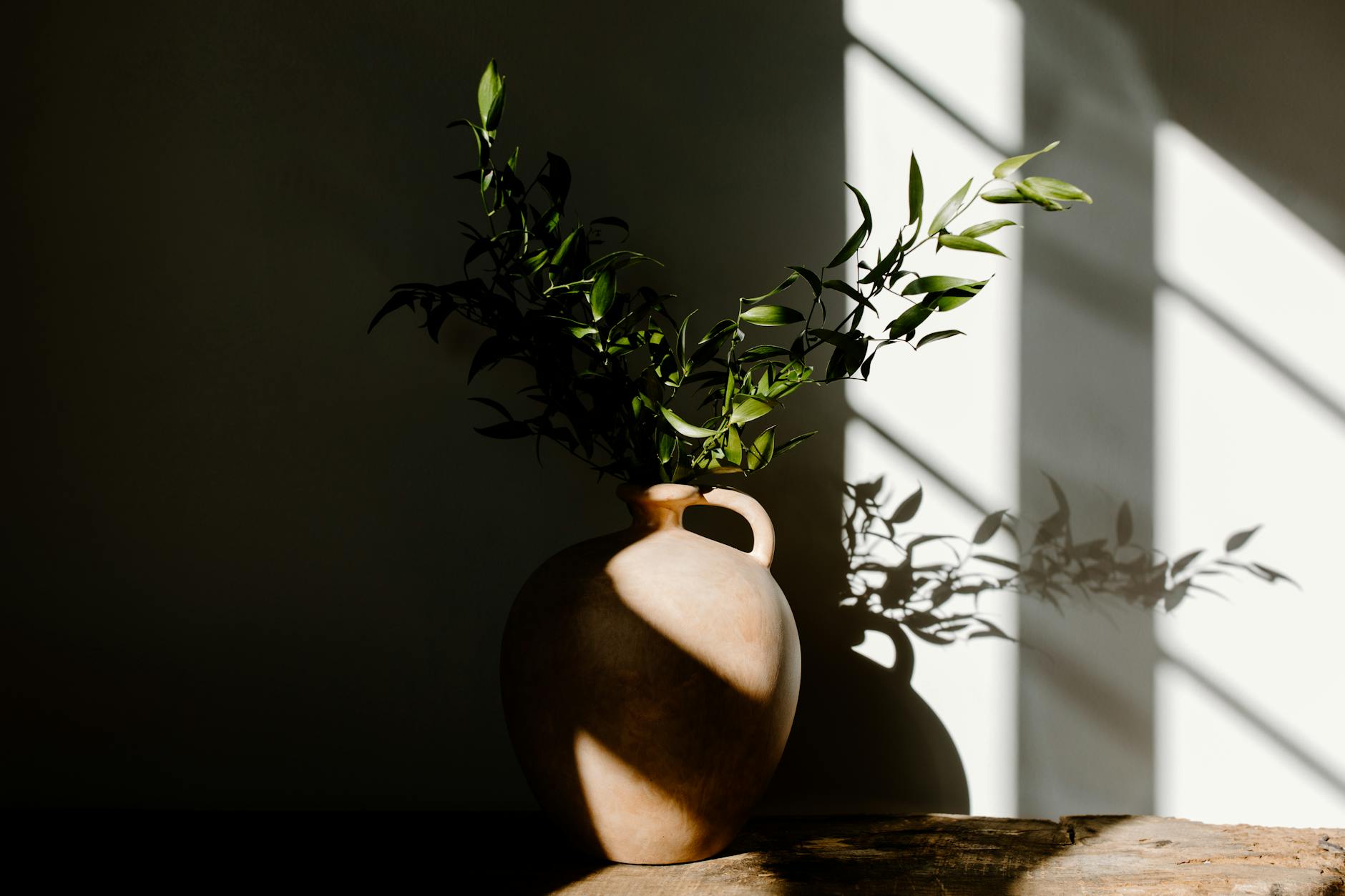
For a small vase or planter, I check the footprint first, then the usable clearance around it. A handled ceramic vase with a compact base can work on a shelf if there is still room for nearby objects, while a terrarium-style setup needs extra width and stable depth so the stand and glass do not feel precarious.
The opening matters too. If you want fresh stems, dried sprigs, or a small catchall role, the vessel has to match the job instead of just the surface. I also think about height against what sits beside it, since a taller piece can dominate a low table even when the base is small.
Placement mistakes
The most common mistake is treating every surface the same. A piece that works on a mantel may feel too busy on a bedside table, and a slender display that suits a desk may look underwhelming on a wide sideboard.
Another easy miss is putting fragile ceramic or glass too close to traffic. I would keep chipped-edge risk in mind near sink corners, kid zones, pet paths, and any place where the item might get bumped while you are moving through the room.
Product examples
For a small accent on a shelf or entry table, the distressed green ceramic piece gives you a stronger outline than a plain cylinder, which helps on narrow surfaces that need a little definition. It also suits stems or a simple standalone display when you want texture more than shine.
For a desk or windowsill, the wood stand terrarium keeps the footprint slim while turning the plant itself into part of the display. That is the better route when you want visible roots or cuttings and do not want a wide planter box taking over the ledge.
For a tighter console, bedside table, or kitchen shelf, the retro ceramic table vase is the easiest fit to place. The smaller width and height make it less demanding on a surface, and the non-slip detail is useful on smoother tables.
For a bookshelf or entry table that can handle more visual activity, the gray chinoiserie vase set works as a grouped display rather than a single small vessel. I would use that when there is enough breathing room for multiple pieces to stay out together.
Final fit checklist
Before I buy, I check five things: the base footprint, the height next to nearby objects, the clearance at the edge, the fragility level for the room, and the amount of dust or cleanup the surface will get.
If the piece is going near traffic or a tight landing zone, I lean toward the smallest stable option. If it is mostly decorative, I can choose a stronger silhouette or a grouped set. For a side-by-side shortlist, I’d pair this guide with a buying checklist or comparison article on vase shapes and planter types.


