Problem intro
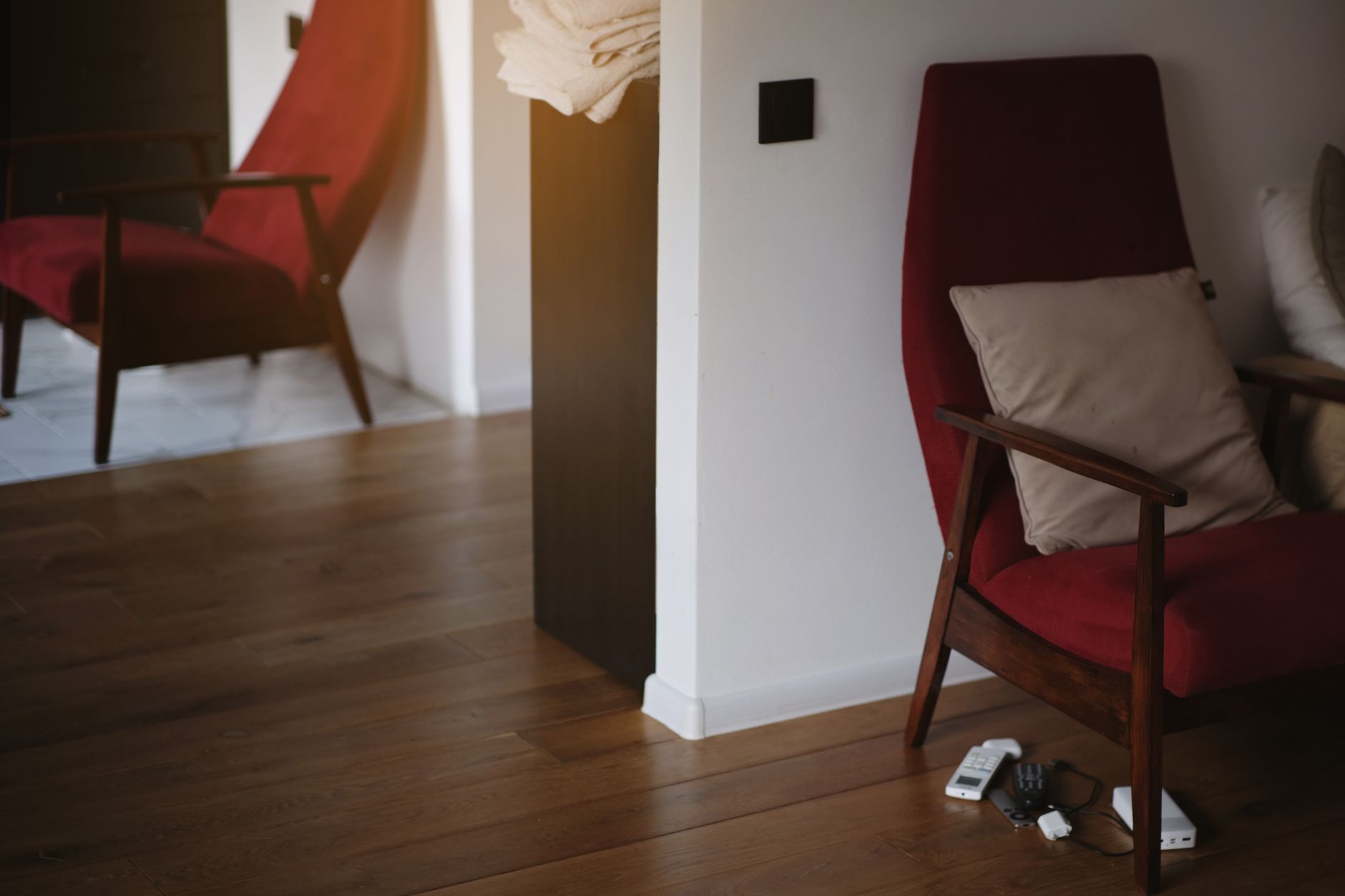
I reach for an armchair when a room needs one clear seat, but the wrong one can take over the corner fast. A bulky frame, a heavy visual profile, or a chair that is awkward to clean can turn a useful spot into clutter.
For this kind of room, I look for a seat that fits the floor plan first and the style second. The goal is to make room for reading, putting on shoes, or setting down a book without crowding the walkway or creating another surface to dust around.
Why this problem happens
Armchairs cause trouble when their real footprint is bigger than the number you imagine from a product photo. Ottomans, side pockets, wide arms, and deep cushions all change how much floor and sightline they claim once they are in place.
The second issue is maintenance. Pale upholstery, soft covers, and fabric that collects lint can be fine in a quiet corner, but they ask for more regular attention in a room that sees snacks, pets, or everyday traffic.
Step-by-step fixes
Start by measuring the corner and the path around it. I want enough room to sit down, stand up, and move past the chair without brushing the arms every time I cross the room.
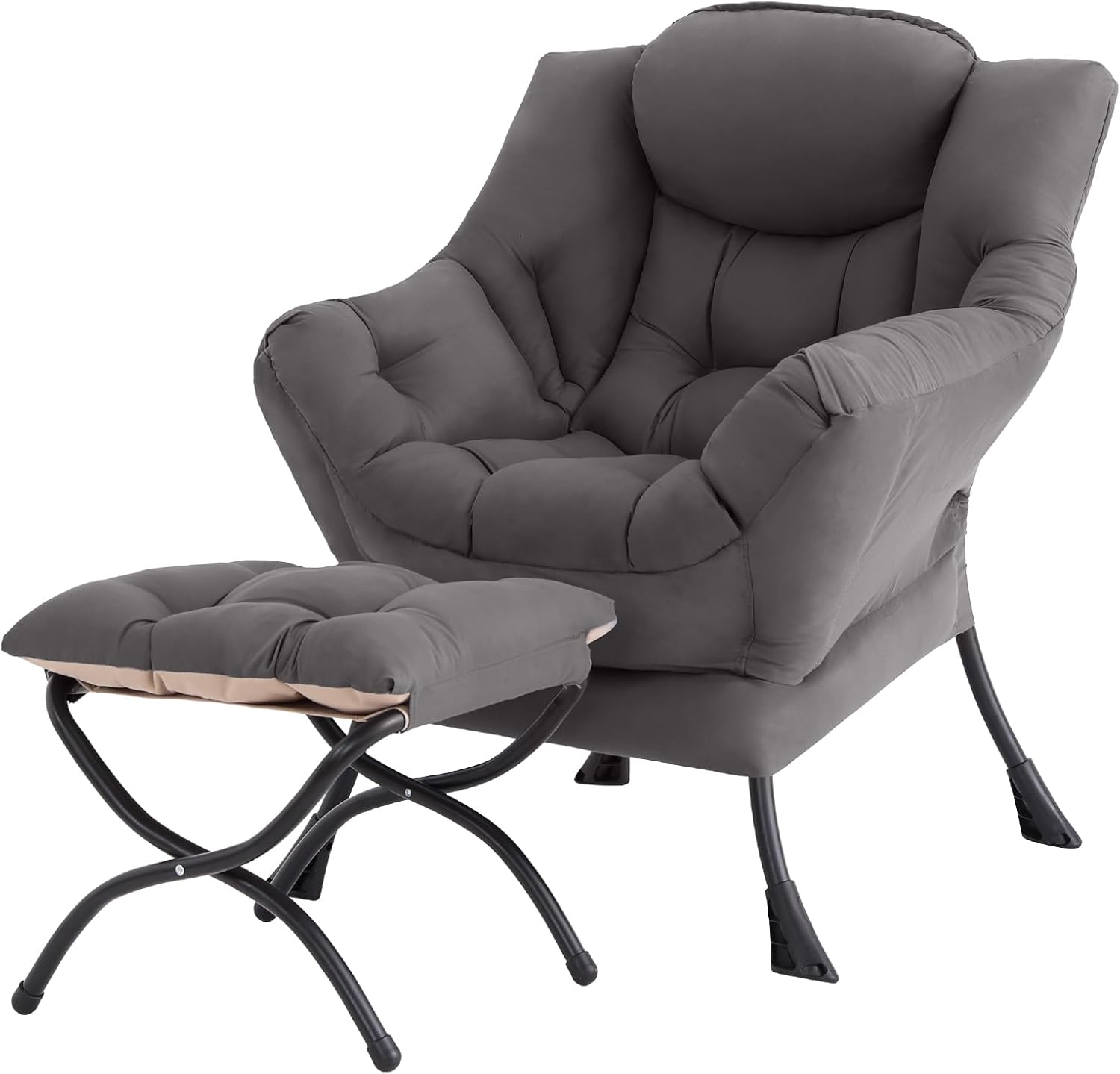
Next, decide what the chair has to do besides seating. If you need a footrest, a place for a book, or a spot for a phone, a chair-and-ottoman set may earn its floor space; if not, a simpler accent chair can keep the room visually lighter.
Then match the upholstery to the room’s use. Easy-care fabric helps in a bedroom, guest space, or reading nook that still sees regular handling, while darker or more forgiving finishes can be a better fit when spills and scuffs are part of the day.
Product types that can help
A chair with an ottoman works well when you want to stretch out in a corner and still keep the setup compact. I also like these for a room that needs one seat to do a few jobs, especially if the footrest folds away or can double as extra seating.
A simple accent chair is the cleaner answer when the room already has enough going on. It usually has a smaller visual presence and fewer parts to move, which helps if the chair needs to sit beside a sofa, dresser, or reading lamp without making the area feel packed.
A portable lounge-style chair can be useful when the seat may shift between rooms. That flexibility matters in guest spaces, bedrooms, or apartments where the same chair might serve different routines through the week.
Recommended examples
Tiita Accent Chair Set makes sense to me for a tight reading corner or bedroom nook. The fold-up ottoman and side pocket help keep the setup organized, and the separate footrest gives the chair more use without forcing a larger frame into the room.
Welnow Chair With Ottoman is the one I would look at when I want the ottoman to fold away later. The side pocket and removable covers suit a small room where storage and cleanup both matter, even if the set does take up more floor area than a single chair.
OLIXIS Ivory Accent Chair is the straightforward pick for a room that needs a lighter visual profile. Its easy-care upholstery and compact shape keep the focus on the space around it, which is useful when I do not want the chair to become the main event.
What not to buy
I would skip a chair that looks compact online but arrives with a wide ottoman, thick arms, or a deep seat that narrows the walkway. In a small room, those details matter more than a decorative silhouette.
I would also pass on pale upholstery if the chair will live near snacks, pets, or muddy shoes. It can work, but only if I am prepared for more regular upkeep than I want in a busy corner.
Final checklist
Before I buy, I check the footprint, the room’s traffic pattern, and whether the chair needs to do more than one job. If the answer is yes, I look for a footrest, pocket, or easy-care cover that matches that use.
I also ask how visible the chair will be from the rest of the room. If it sits in plain view, I lean toward a slimmer outline; if it is tucked into a corner, I can allow a little more bulk as long as the seat still feels easy to live with.