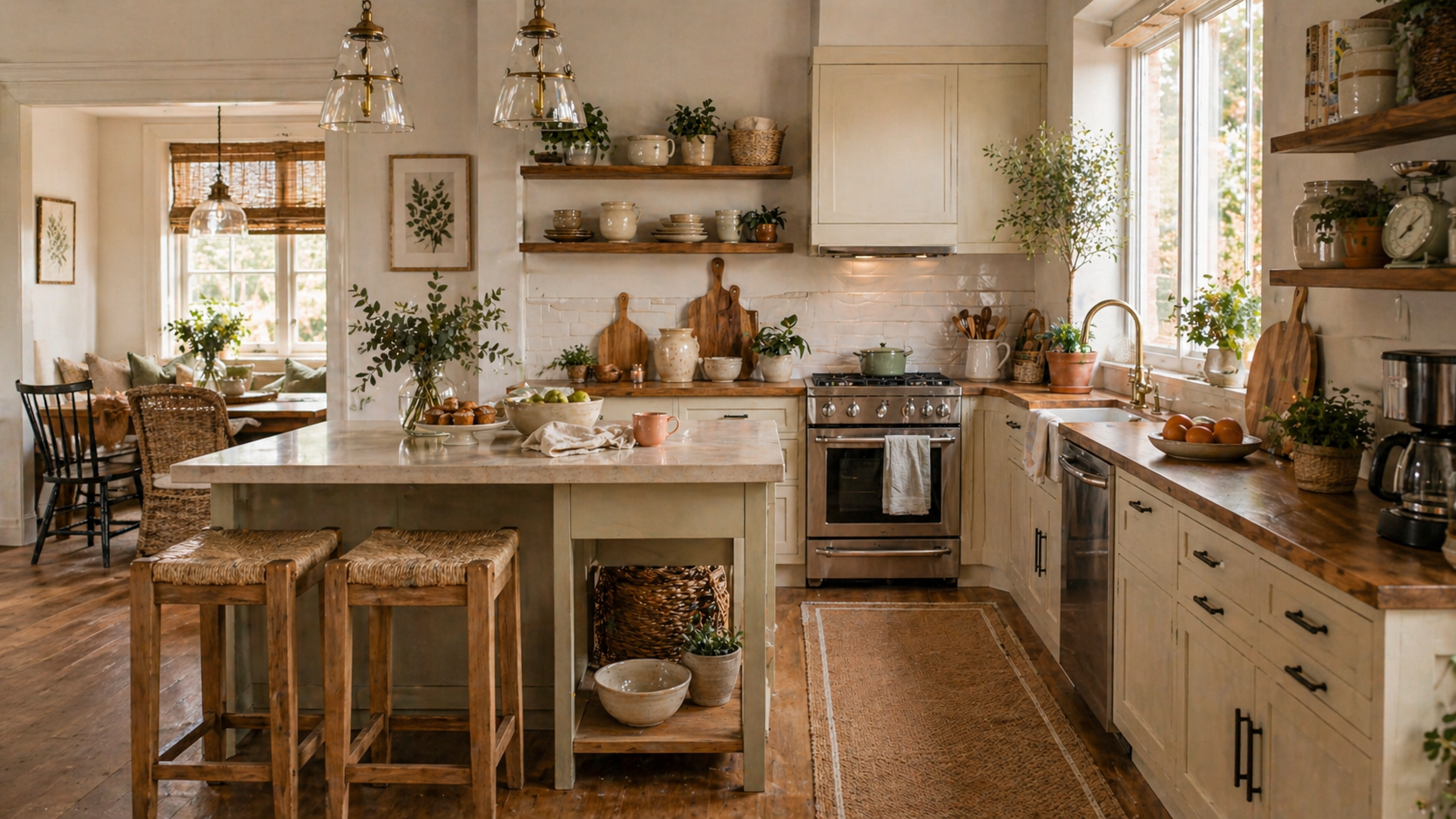
Why Your Kitchen Rug Might Be Causing More Trouble Than It’s Worth
Kitchen rugs are great for adding comfort and style, but if you’re using the wrong type, they can become a maintenance headache. A rug that’s too thick might trap crumbs and spills, while one that’s too thin might slip underfoot. This is especially true in high-traffic zones like near the sink or stove, where messes happen daily. If your rug is in a narrow hallway or entryway, a bulky design can feel out of place, making it seem like a cluttered afterthought rather than a helpful addition.
Key Factors to Consider When Choosing a Kitchen Rug
The right kitchen rug depends on where you’re placing it and how often it’s used. For high-traffic areas, look for non-slip backing to keep it secure. In narrow spaces like hallways or entryways, a low-profile runner or mat that won’t take up much room is better. If you’re dealing with frequent spills or messes, an absorbent material like polypropylene can help trap moisture and debris. For areas where you want a subtle upgrade without extra bulk, a scalloped-edge mat or a neutral runner might be the best fit.
How to Find the Right Kitchen Rug for Your Needs
Start by identifying where you need the rug most. If it’s near the sink or stove, an absorbent mat with non-slip backing will handle daily messes. For narrow spaces, a low-profile runner or scalloped-edge mat can add style without bulk. If you’re in a rental or want something easy to move, a machine-washable, neutral-colored rug is a good choice. Avoid thick, high-pile rugs in areas with frequent use, as they can trap crumbs and become a maintenance hassle. Always ensure the floor is clean and dry before placing the rug to prevent slippage.


