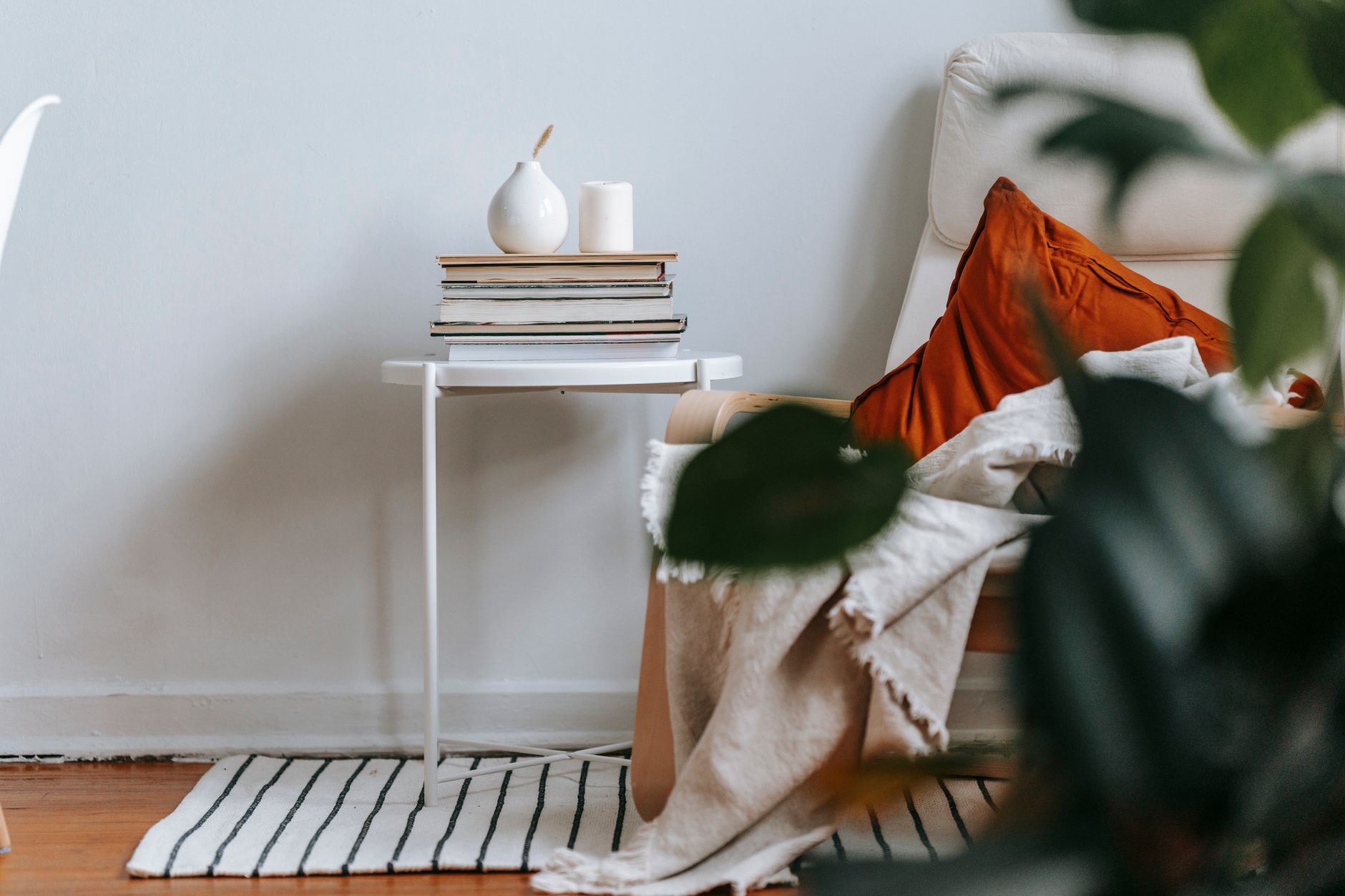
Decorating With Restraint Starts
Before the Purchase There is a moment many of us know well: the room feels a little unsettled, and the quickest answer seems to be one more object. A lamp to soften the corner. A rug to “pull it together.” A vase, a tray, a basket, a set of cushions.
It is easy to call this decorating, but often we are doing something else entirely. We are trying to decorate around the real problem. That is where decorative restraint becomes less of a style choice and more of a quiet skill.
In the Cozy Home category, restraint does not mean bare rooms or a strict refusal of comfort. It means noticing when a space is asking for a fix, not an accessory. It means pausing long enough to ask: what is actually making this room feel off?
The room is not always asking for more
A home can feel unfinished for reasons that have little to do with décor. A hallway may be too dim. A sofa may be awkwardly placed.
A bedroom may feel restless because the storage is working too hard in public view. A kitchen counter may seem dull when, in reality, it is crowded by too many daily items. When we buy decor too quickly, we often soften the symptom instead of solving the cause.
A mirror may brighten a wall, but it will not fix a layout that blocks daylight. A candle may add warmth, but it will not make a room more restful if the surfaces are packed and visually noisy. Decorative restraint asks us to separate atmosphere from obstruction.
That small pause can save both money and energy, but more importantly, it helps a room become calmer in a way that lasts.
A useful question before anything goes in the basket
Before buying for a room, I like to ask three plain questions: - What is bothering me? - What task does this room need to do better? - What would I notice if I removed, rather than added, something? Those questions sound simple because they are. But they change the direction of the decision.
If the real issue is glare, a soft window treatment may matter more than another accent piece. If the issue is clutter, the answer may be a calmer storage setup rather than a decorative container to hide the clutter in place. If the room feels visually heavy, it may need emptier surfaces, not more texture.
The most useful decorating choices are often the least dramatic ones.
When the fix is functional, let it be functional
A lot of homes become more beautiful when their basics are treated carefully. The right window treatments for light control and soft daylight can change how a room feels from morning to night. That is not a glamorous intervention, but it is a meaningful one.
Likewise, a calmer storage setup can lower the visual temperature of a space far more effectively than a decorative fix layered on top of the mess. This is one reason decorative restraint feels so grounding in real homes: it respects the fact that homes are lived in. A family room needs paths to walk through.
A bedside table needs to hold water, a book, maybe a charger. A window needs privacy at some hours and daylight at others. Once those needs are met, the room usually needs less styling, not more.
A room that works well is already doing part of the decorating.
The temptation to soothe with objects
Buying around the real problem is often emotional, not careless. We want relief quickly. We want the room to feel better by tonight.
A small purchase can feel like action, control, or hope. And sometimes it is reasonable. A sparse corner may genuinely need a touch of softness, and a well-chosen object can help.
A simple arrangement can bring life to a shelf. A better proportioned mirror can make a narrow room feel less boxed in. But even then, it helps to know what role the object is playing.
For example, a plant-like shape may be needed not because the room lacks decor, but because a particular corner feels too stark. In that case, something like faux plants for small corners and low-maintenance greenery can be a finishing move, not a substitute for solving the room’s larger issues. The same is true of mirrors for brighter walls and small rooms: they work best when the problem they address is clear.
The danger is not buying something lovely. The danger is buying it to avoid making a harder decision.
Decorative restraint in the real home
Real homes are not magazine spreads. They have phone chargers on counters, bags by the door, mismatched hangers, and one chair that catches everything. Decorative restraint is not a refusal of personality; it is a refusal to let décor do the job of daily life.
Sometimes restraint means leaving a wall empty because it actually gives the room room to breathe. Sometimes it means choosing one substantial object instead of three smaller ones that create visual chatter. Sometimes it means keeping the tabletop clear so a beloved lamp or bowl can feel intentional rather than swallowed by company.
And sometimes restraint is about comfort, not aesthetics. A bedroom that finally sleeps well after the right pillows for support and sleep position has been chosen may need less decorative correction than you think. When the body feels supported, the mind tends to be less restless too.
Choose the pause over the impulse
If a room feels off, I find it helps to live with the discomfort for a day or two and observe it. Notice where you hesitate. Notice what you avoid using.
Notice whether the issue is visual, practical, or emotional. A room that feels “empty” may actually be underfurnished, yes, but it may also simply be overburdened in the wrong places. This is where restraint becomes generous.
It gives the room a chance to tell the truth. You may find that the answer is not decorative at all. Maybe the room needs a better lamp, not a style refresh.
Maybe it needs less on the walls and more light at eye level. Maybe the fresh feeling you want can come from simpler surfaces, a clearer path, or one strong focal point instead of many small purchases. Even fragrance works best with that kind of honesty.
A room that needs airing out or tidying will not be transformed by scent alone, which is why a guide like keeping a home smelling fresh without overdoing it can be useful as part of a broader reset rather than a cover-up.
Less buying, more noticing Decorative restraint is, at heart, a practice of noticing.
It asks us to slow down before we solve every discomfort with an object. It reminds us that a calmer home usually comes from clearer function, better proportions, and fewer distractions—not from decorating around the problem until the problem disappears into the background. That does not make the home less warm.
In my experience, it makes it more livable. A room that holds only what it needs feels more generous than one crowded with intentions. If you want to keep going with that quieter approach, the next read looks at low-maintenance greenery for small corners—a gentle place to begin when a space needs softness without more effort.
For a more practical next step, best faux plants for low-maintenance greenery and small corners and match mirrors to the room, task, and tradeoff that matters most before choosing what fits can help connect this journal idea to everyday home choices.