The Quiet Shift of Textures: A Seasonal Ritual for Home Harmony
There’s a subtle magic in the way our homes shift with the seasons—not just in temperature, but in texture. As autumn leaves fall and winter winds pick up, the fabrics we surround ourselves with become a silent language of comfort. Yet, for many of us, this transition can feel like a small friction point: the same wool blankets that once felt cozy now weigh the room down, or the sleek, cool surfaces of summer furniture seem to echo the emptiness of shorter days. The solution? A calmer, more intentional approach to seasonal texture changes—one that doesn’t demand a complete overhaul but instead invites a gentle, lived-in evolution of your space.
Softening the Living Room: A Warm Welcome for Winter
Consider the living room, often the heart of the home. As temperatures drop, the desire for warmth becomes more than just a physical need—it’s a sensory one. A narrow corner, for instance, might feel stark in winter, its sharp edges amplified by the lack of softness. Here, texture becomes a bridge between function and comfort. A woven rug, layered over a sleek floor, or a chunky knit throw draped over a chair can transform the space without overwhelming it.
If your living room feels too angular or sparse, the same principle applies: layering textures adds depth. A few well-placed cushions, a woven basket for storing blankets, or even a piece of wall art with a tactile, organic finish can soften the edges of a room that feels too formal. For those with particularly narrow spaces, a calmer wall-decor setup can turn a cold nook into a more settled corner.
The Kitchen: Where Practicality Meets Warmth
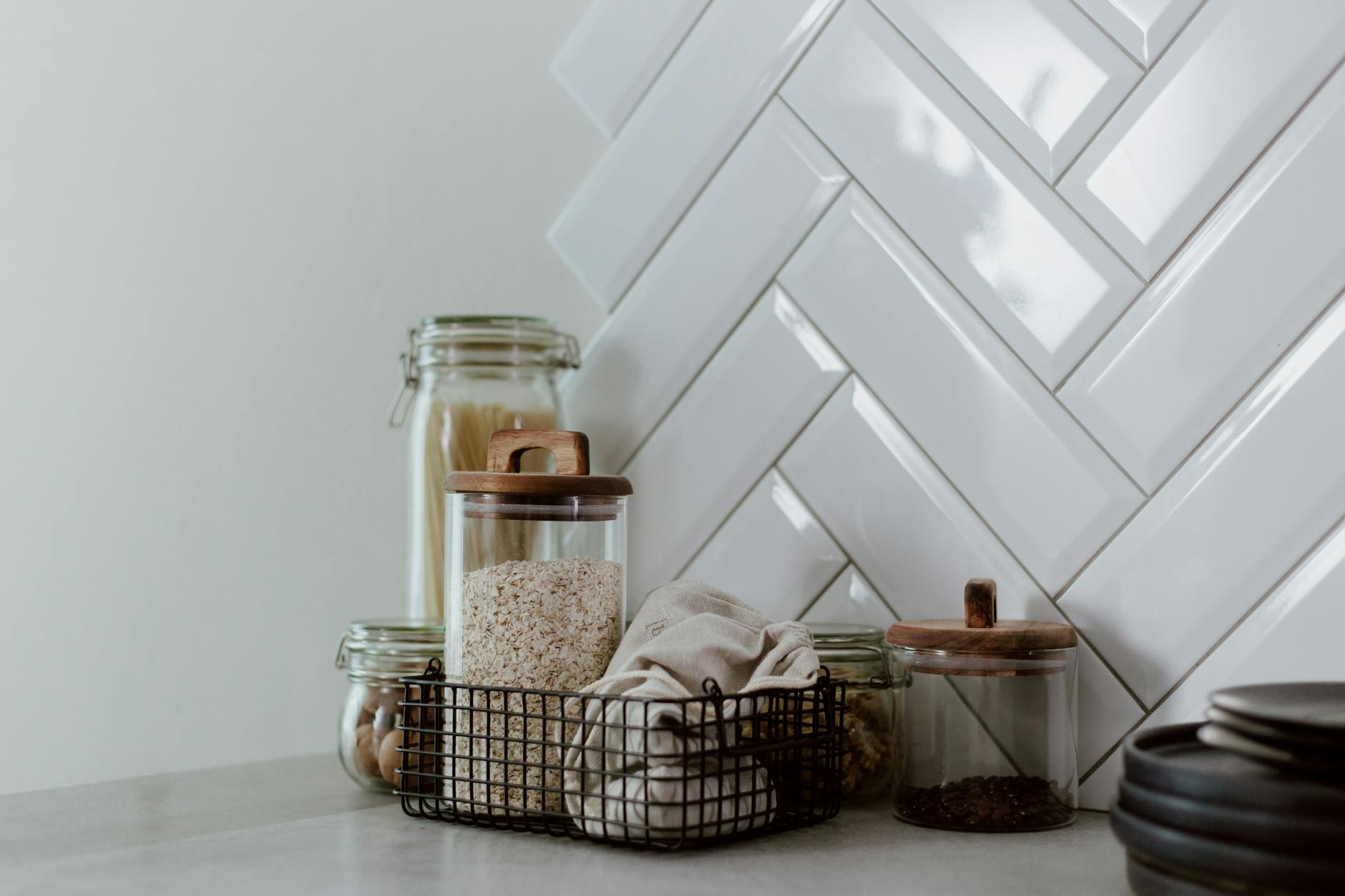
Kitchens are often overlooked when it comes to seasonal changes, yet they’re the places where everyday friction points are most visible. A countertop cluttered with mismatched bowls or a set of dinnerware that feels too formal for casual meals can create a sense of unease. Here, texture becomes a tool for balance.
Choosing bakeware that feels like home—think earthen tones, matte finishes, and materials that show signs of use—can make a kitchen feel more inviting. Similarly, dinnerware that balances style and practicality can transform the way meals are experienced, turning a simple act of eating into a moment of comfort. The key is to let textures speak softly: a ceramic bowl with a slightly rough surface, a wooden cutting board that’s been used for years, or a set of plates with a hand-thrown, imperfect finish. These small choices create a sense of continuity, making the kitchen a place that feels both functional and warm.
Bedrooms: A Sanctuary for Rest and Renewal
In the bedroom, texture changes can be especially transformative. A nightstand that feels too sleek or a mattress that’s lost its softness can disrupt the quiet rhythm of rest. Here, the solution lies in subtle swaps: a woven ottoman in place of a glass side table, or a set of linen sheets that feel lighter in summer and heavier in winter.
Nightstands that fit your space and needs—like these—can also serve as anchors for small, tactile objects: a ceramic jar for holding keys, a stack of books with worn edges, or a small plant with textured leaves. These items don’t just add visual interest; they create a sense of groundedness, making the bedroom a place where you can truly let go of the day’s stresses.
The Power of Scent and Light: A Gentle Reminder of Comfort
While textures shape the physical feel of a space, scent and light can amplify its emotional tone. A candle that burns too strongly or a room that feels too dim can create friction points that are hard to pinpoint but deeply felt. Here, the answer lies in balance: a candle that adds a subtle, warm glow without overwhelming the senses, or a lamp with a soft, diffused light that mimics the gentle transition from day to night.
For those who want to keep their home smelling fresh without overdoing it, a balanced home-fragrance setup can be both practical and soothing. A few carefully placed candles, paired with enough unscented space around them, can create a sense of continuity between seasons.
A Seasonal Ritual: The Art of Letting Go
Embracing seasonal texture changes isn’t about perfection; it’s about intention. It’s about recognizing that a home is not a static thing but a living, breathing space that evolves with the people in it. And in that evolution, there’s a kind of quiet peace—a