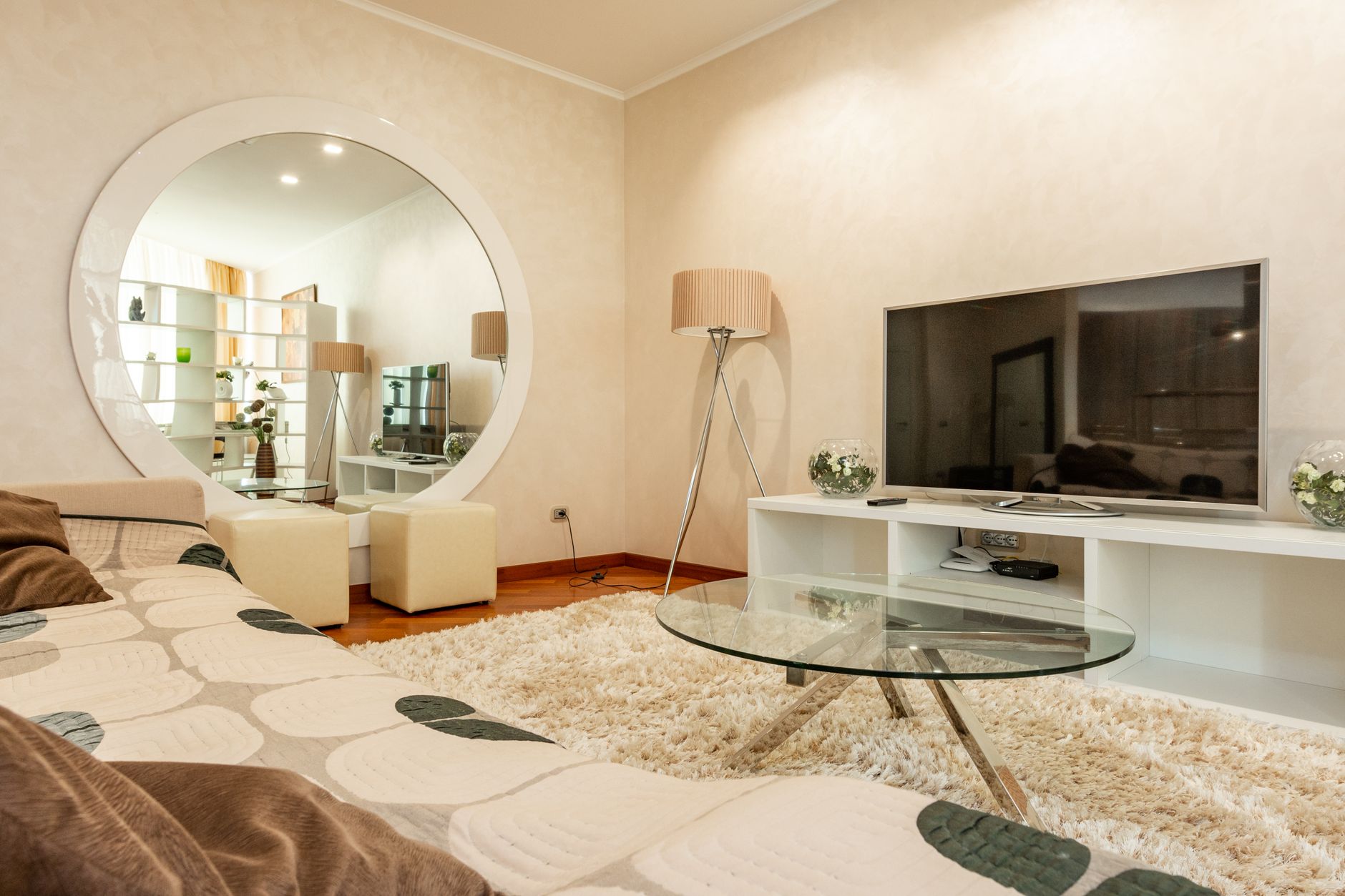
Finding the Right Wall Balance:
When a Cozy Room Starts to Feel Crowded There is a point in many homes where “warm” begins to tip into “busy.” It usually doesn’t happen all at once. A room gains a lamp, then a framed print, then a mirror to catch a little more light, then a shelf to hold the things that were never meant to live on the floor in the first place. Slowly, the walls start doing more and more work.
That can be lovely. It can also feel like the room is leaning toward you instead of opening up around you. In the Cozy Home category, this is one of the most useful balances to understand: not whether a room is decorated enough, but whether the wall space still has room to breathe.
Cozy is a feeling; crowded is a pressure
A cozy room usually has a sense of ease. Your eye knows where to rest. The furniture feels placed, not squeezed.
Wall decor adds warmth without demanding attention from every angle. Crowded rooms often share a different quality. They can still be full of good things, but the parts compete.
A mirror reflects a shelf that reflects a gallery wall that reflects a ceiling light, and suddenly the room feels visually louder than it is physically small. That difference matters because wall space is not just empty space. It is part of the room’s rhythm.
A calm wall gives the objects beneath it more importance. Too much on the wall can flatten that rhythm and make even a comfortable room feel tense.
Mirrors help more when they have room to work
Mirrors are often the first thing people reach for when a room feels tight, and for good reason. They can borrow light, extend a view, and make a small room feel less boxed in. But a mirror only helps when it has a clear purpose and enough surrounding space to do it well.
A mirror placed carefully above a console or opposite a window can make a room feel open and settled. The same mirror, surrounded by too many frames, shelves, and decorative objects, can start to feel like another object fighting for attention. If you’re thinking about where mirrors do the most good, it helps to match the mirror to the room, the task, and the tradeoff that matters most before choosing what fits.
That way, the mirror works with the wall instead of taking over it. A helpful place to begin is thinking through mirrors by room use and function, especially in rooms where light and visual calm matter more than a strong decorative statement.
The wall does not need to be filled to feel finished
One of the most reassuring truths about home styling is that a wall can feel complete without being full. Many real homes look better with a little restraint: one larger piece rather than several smaller ones, a mirror with space around it, or a single shelf instead of a stacked arrangement of objects. This is especially true in rooms that already carry a lot of function, such as entryways, kitchens, and living rooms that also serve as workspaces.
A wall that is given room can make the furnishings below it feel more intentional. The sofa looks more relaxed. The dining nook feels less crowded.
Even a narrow hallway can read as calm if the wall has a clear visual pause. This is where a calmer storage setup can matter as much as decoration. Shelving is useful, but it also changes the tone of a wall.
Open shelves can create lightness when they’re edited well, while overfilled shelves quickly turn a room into a place of constant visual activity.
When warmth comes from editing, not adding
A cozy room is not necessarily one with more pieces in it. Often it is the room where every piece has a little breathing room. That might mean choosing one mirror rather than two.
It might mean leaving a section of wall empty so the eye can pause. It might mean moving a decorative object off a shelf because the shelf itself already has enough presence. These are small decisions, but they shape how a room feels day after day.
I’ve found that people often describe crowded rooms as “cluttered,” but the issue is sometimes less about clutter and more about crowding. A room can be tidy and still feel too visually busy. The fix is not always to remove things from the home.
Often it is to reduce the number of places the eye has to land at once. That is also why decorative accents work best when they are given a clear role. A thoughtful bowl, a stack of books, or a plant can make a shelf feel lived in, but too many accents can pull a room away from comfort and toward display.
If that tension sounds familiar, it may help to think in terms of decorative accents for shelves and coffee tables that support the room instead of filling it.
A few quiet questions for the wall in front of you
When I stand in a room that feels almost right, I try to ask a few simple questions: - Is this wall helping the room feel calm, or is it asking for attention? - Does the mirror bring in light, or does it mainly add another reflective surface? - Would one larger piece feel more restful than several smaller ones? - Is the shelf solving a real storage need, or just using space because the space is there? - If I remove one item, does the room feel emptier or clearer? Those questions are useful because they keep the decision grounded in daily life. Real rooms are not styled once and left alone.
They change with seasons, habits, and the objects we actually use. The best wall balance is the one that still feels good after a week of living in the room, not just after a good afternoon of arranging it.
Cozy homes need visual pauses
A room does not become less inviting because it has empty wall space. In many cases, it becomes more livable. Those pauses give mirrors a chance to brighten instead of overwhelm.
They let wall decor feel like an accent rather than a message. They make room for movement, for natural light, and for the ordinary mess of daily life. In a cozy home, that matters.
The goal is not perfection; it is comfort that can survive use. If your room has started to feel crowded, the answer may not be to start over. It may be to make a little more room for the wall itself.
For a closer look at where mirrors tend to help most, the next read is Best Mirrors for Small Rooms, Vanity Corners, and Brighter Walls.
For a more practical next step, match mirrors to the room, task, and tradeoff that matters most before choosing what fits and 5 shelving options for a thoughtful home layout can help connect this journal idea to everyday home choices.