Living With Open Shelves: A Calmer Routine for the
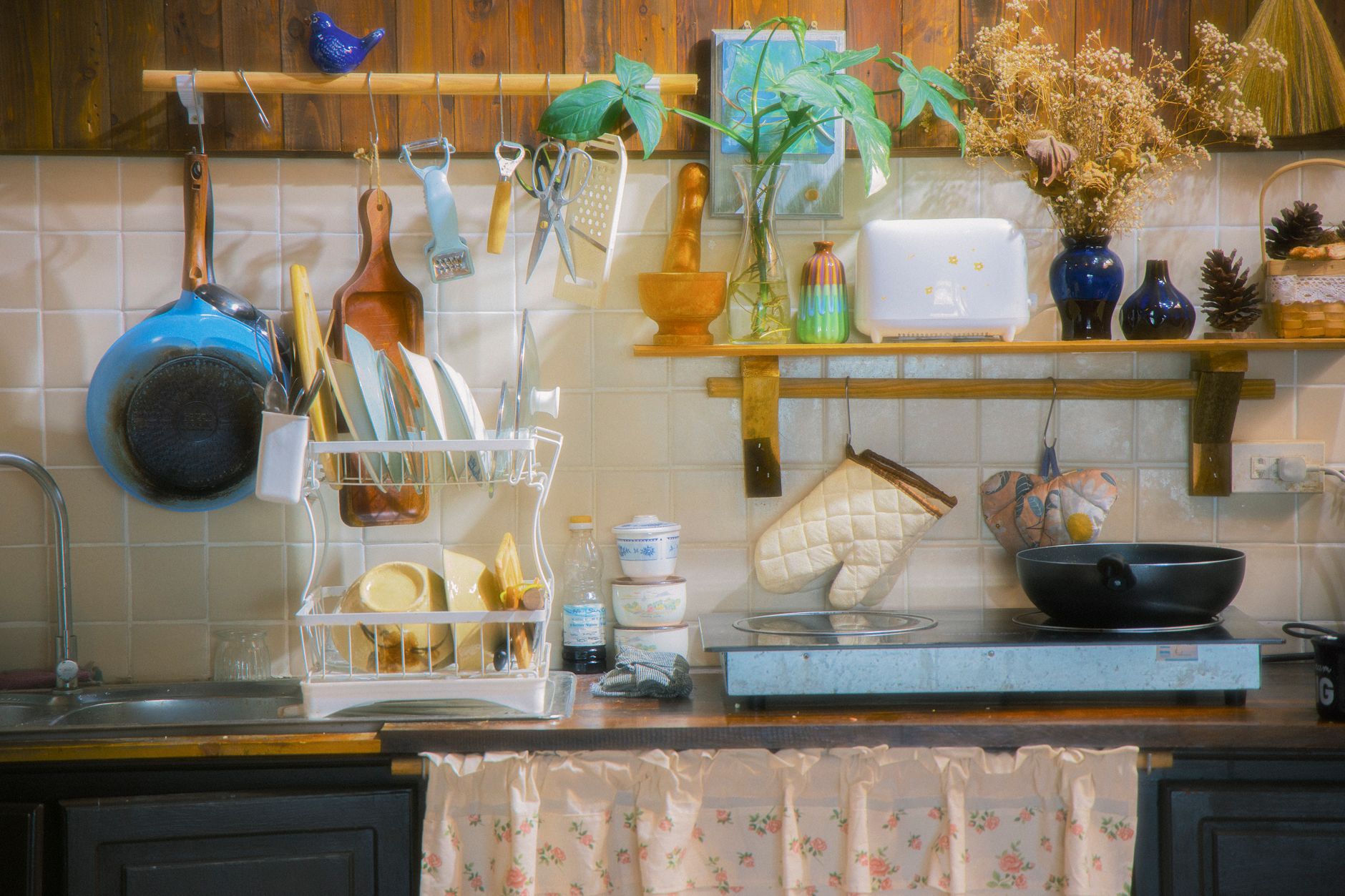
Kitchen Open shelving looks simple until you live with it. In a photo, the appeal is obvious: a few plates, a stack of bowls, a cup with wooden spoons, a little daylight catching the edges of the shelves. In a real kitchen, the question changes.
Not What looks nice up there? but What gets used often enough to earn the space? That is where open shelving restraint begins. Not with emptiness for its own sake, but with a routine that lets the room stay useful without turning busy. The easiest kitchens to live in are usually the ones that do not ask you to perform for them.
They are arranged around habits already in motion: the mug you reach for before the kettle boils, the bowl that holds lemons because that is where lemons tend to end up, the dish towel that always needs to be close at hand. Open shelves can support that rhythm beautifully, but only when they are treated less like a display and more like a working surface in the air.
Start with what already happens here
Before deciding what belongs on open shelves, it helps to watch the room for a few days. Which things are touched every morning? Which items you use while cooking, then leave out because they are too useful to hide?
Which objects naturally return to the counter because there is no better place for them? That observation matters more than a decorative plan. A small stack of everyday plates may do more for a kitchen than a carefully styled shelf of rarely used serving bowls.
The point is to build around behavior, not around aspiration. This is where restraint becomes practical. If you try to make open shelves carry too much, they become visually loud and mentally tiring.
If you let them hold only the things that support daily motion, they start to feel calm. The shelf then becomes a kind of cue: coffee items go here, breakfast bowls there, the measuring cups near the prep zone. In a busy household, those tiny rules save more time than a bigger storage project ever could.
Let the shelf mirror the routine
A kitchen often works best when each zone tells a simple story. Near the kettle or coffee maker, you might keep cups, a sugar jar, and the spoon you always misplace. Near the stove, you may want the olive oil, salt, pepper, and a small cluster of the utensils you actually cook with most.
A lower shelf might hold dinnerware for the people who use it every day, while a higher one stays quieter, reserved for the items that are needed less often. The goal is not perfect symmetry. The goal is to reduce the number of decisions between intention and action.
That is why restraint on open shelving can feel so calming. It removes the pressure to justify every object. A shelf does not need to be full to be useful.
In fact, a little space between items makes the room easier to read. It helps the eye rest, and it helps the hand find what it needs. For rooms that need a little more structure, the same principle appears in other parts of the home too.
A workspace can feel lighter when the furniture matches the actual routine, as in desks that fit without feeling cluttered. The instinct is similar: choose what supports use, then leave breathing room around it.
Keep the visible things on purpose
One of the hardest parts of living with open shelves is accepting that everything visible contributes to the mood of the room. That includes the lovely things and the merely necessary ones. A stack of mismatched mugs can feel endearing in one kitchen and distracting in another.
A row of jars can feel organized until the labels start to compete. Even the most useful objects need a little editing. The trick is not to remove personality, but to choose which personality is allowed to stay in view.
I find that open shelving works best when it follows a quiet filter: - keep what you reach for often - group by use, not by coincidence - repeat only a few materials or colors - leave some shelf surface empty - let the nicest everyday objects do double duty That last point matters. A favorite bowl can be both a serving piece and a visual anchor. A simple ceramic jar can hold spoons and still soften the shelf.
A linen-lined basket may hide the less attractive small items while keeping the whole arrangement grounded. If the shelves are in a tighter kitchen, it can help to think more broadly about where visual weight belongs. Sometimes the answer is not another shelf, but a smarter use of an existing edge, nook, or wall.
A thoughtful approach to decorative shelving in narrow spaces can show how much calm a small, well-placed surface can bring.
Make maintenance part of the design
Open shelving stays pleasant only when it is easy to maintain. That sounds obvious, but it is the part most often skipped. The shelf arrangement should not require a weekly styling session to remain tolerable.
If it does, it is not really built for real life. A better setup is one that can be reset in a minute while waiting for water to boil. One that survives a rushed morning, a full dishwasher, or a grocery bag being dropped on the counter.
That usually means choosing pieces that are easy to wipe, easy to lift, and easy to return. It also means accepting that some amount of variation is part of the look. A kitchen with open shelves will not stay still.
Dishes move. Pantry items are refilled. A flower in a jar lasts a few days, then it is gone.
The room should be able to absorb those shifts without feeling incomplete. A useful habit is to give shelves a quick reset while doing the tasks already built into the day. Put the cups back while the tea steeps.
Realign the plates while drying the last pan. Refill the salt before it runs out. When the routine is attached to something else you already do, upkeep stops feeling like a separate chore.
A calmer kitchen is often a more edited one
There is a kind of comfort that comes from seeing exactly enough. Open shelves can offer that feeling when they are arranged with care and then left alone to do their job. They make the most sense when they hold the things that shape your day rather than the things you think you should display.
In that way, restraint is not absence. It is a decision to let the kitchen speak in a quieter voice. For some homes, that voice is all about clear routines and easy reach.
For others, it is about balancing visible storage with closed space elsewhere in the room. If the same practical mindset appeals to you in other parts of the house, the logic carries over well to shelving options for a thoughtful home layout, where the aim is still the same: make the room work first, then let it look good by virtue of being lived in. The calmest open shelves are the ones that feel as though they were always waiting for these particular objects, in this particular home, at this particular pace.