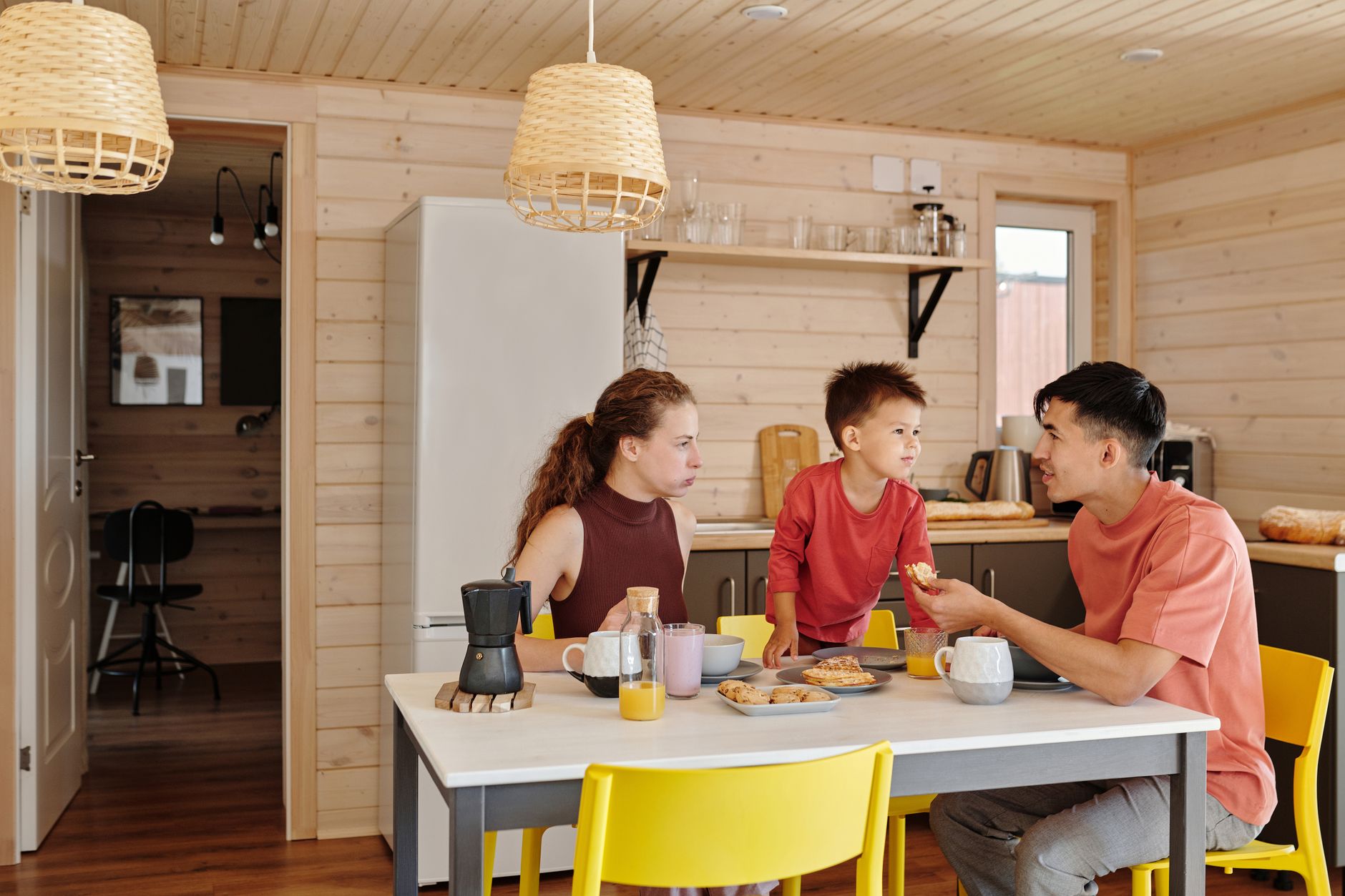
Quiet Breakfast Routines That Make a Home Feel Settled
There is a particular kind of calm that settles over a family home in the morning, and it rarely comes from perfection. It comes from small things repeated in the same order: the kettle filling, a mug waiting by the sink, toast made before the house fully wakes up, a bowl already within reach. Quiet breakfast routines do not need to be elaborate to matter.
In fact, the quieter they are, the more they seem to say, we live here, and we know how this place works. In kitchen tools, that feeling often shows up in the objects that are easiest to overlook. The cup that stacks neatly.
The spoon that does not rattle loudly against the drawer. The cutting board that can stay out without making the counter feel crowded. These are modest details, but in real homes, they shape the tone of the morning more than we sometimes notice.
Settled does not mean spotless
A settled home is not one that stays untouched. It is a home where the next person can find what they need without asking three questions first. Breakfast is one of the clearest tests of that.
If the coffee can be made while one child looks for socks and another eats fruit at the table, the kitchen is doing its job. If the cereal bowls are easy to reach, if the mugs do not wobble in the cupboard, if the toaster has a place that feels permanent, the morning moves more smoothly. That ease depends on tools that fit the rhythm of the household.
Some families need everything tucked away after use. Others need a few things always visible because visibility is what keeps the routine moving. For homes like that, the real question is not what looks ideal on a shelf, but what quietly supports the life that is already happening.
This is where practical choices matter. A sturdy mug that feels good in the hand, a spoon that does not bend, a board that wipes clean quickly—these are not glamorous details, but they are part of the atmosphere of a settled kitchen. If you find yourself thinking through those choices, the guide on small kitchen tool choices can help you weigh fit, cleanup, and storage in a way that feels realistic for daily use.
The breakfast table sets the tone for the day
Many homes have a version of the same scene: one person leaves for work early, one is still half-asleep, someone else wants the same spoon every morning, and there is a brief window where the kitchen either feels calm or feels like a scramble. That window is where routine becomes visible. A settled breakfast table usually has a few constants.
The cups are easy to reach. The plates are not buried behind containers no one uses. The butter knife is where it should be.
Nothing has to be perfect, but things should be easy enough that the first person up does not have to start the day by reorganizing the room. This is why drawers, cabinets, and counter space matter so much in kitchen tools. The right setup does not eliminate clutter; it gives clutter somewhere to go.
Flatware that fits the drawer well, for instance, can make a surprising difference when mornings are rushed. If the drawer opens cleanly and the pieces are easy to sort, the mood of breakfast changes. There is less searching, less clattering, less of the low-grade frustration that can color an entire morning.
For homes that want that kind of ease, the guide on drawer-fit flatware is a useful next step.
Why some kitchens feel calmer than others
A calm kitchen is often built from habits more than décor. Still, the tools in it help shape those habits. When a cutting board is convenient to grab, it gets used more often for fruit, bread, and quick prep.
When mugs are comfortable to hold and not awkward to store, people tend to use the same ones again and again. Familiar tools reduce friction. That familiarity matters especially in family homes, where breakfast is often less a meal than a transition.
It is the bridge between sleep and school, work and the rest of the day. In those moments, the kitchen should not demand too much. A family home feels settled when the tools support the transition instead of interrupting it.
Breakfast prep is often the smallest kind of prep, but it still benefits from thoughtful choices. A board that is easy to rinse, a peeler that sits comfortably in the hand, a grater that stores without causing a drawer jam—these things make early routines feel less provisional. If your mornings include fruit, yogurt toppings, or quick prep before the house fully wakes, the guide to counter-friendly prep tools is worth keeping in mind.
The quiet work of making breakfast possible
Some breakfast routines are built around hot drinks. Others are about toast, eggs, sliced fruit, or a bowl of oatmeal eaten standing up before the day begins. But across all of them, the same principle appears: the kitchen works best when the tools match the actual habits of the house.
That means thinking beyond “nice to have” and toward what gets used without effort. Where does the coffee live? Which mug is the one everyone reaches for?
Can the bowls be stacked without toppling? Does the utensil drawer close easily, or does one fork catch every time? These are the ordinary details that keep the morning from feeling strained.
Even storage affects the feeling of being settled. A kitchen can look tidy and still feel unsettled if the daily tools are hard to access. On the other hand, a modest setup with the right placement can feel deeply lived-in and calm.
The point is not to hide the life of the home. It is to make the life of the home easy to return to. That is also why a thoughtful cup or mug matters more than it might first appear.
It is not only about what holds coffee or tea; it is about how a household begins the day. If that rhythm is part of your home, the guide on cups and mugs for daily routines is a natural companion.
A home that knows its own rhythm
The feeling of a settled home does not come from silence alone. It comes from a kitchen that knows what it is for. Breakfast is where that knowledge is easiest to see.
Someone is always in a hurry. Someone is always lingering. Someone is always asking for one more slice of toast.
A good kitchen does not resist that. It makes room for it. So the quiet routines matter: filling the kettle the night before, lining up the cups, keeping one board clear, returning the spoon to the same place.
None of it is dramatic. All of it adds up. A family home feels settled when the morning does not have to negotiate with the room.
When the cups, mugs, and other daily tools already have a place in the rhythm of the house, breakfast becomes less of a task and more of a settling in. If you want to keep thinking about that part of the kitchen, the next read on cups and mugs for daily routines fits naturally here.
For a more practical next step, best cups and mugs for coffee, tea, desks, and daily routines and best cooking utensils for comfortable everyday homes: fit, cleanup, and storage tradeoffs can help connect this journal idea to everyday home choices.