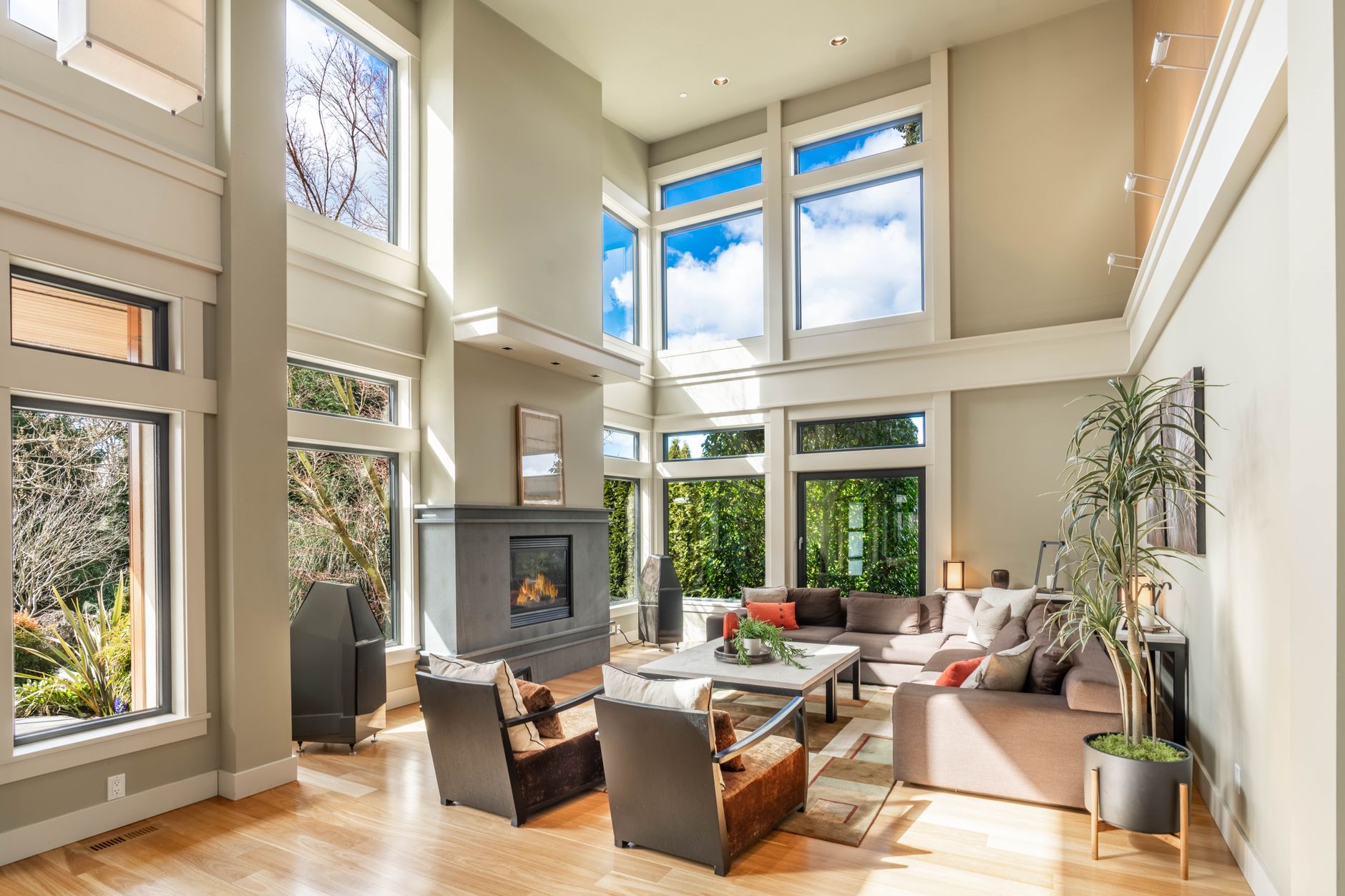
When a room feels a little “off,” it is often not because anything is wrong with the furniture itself. It is because the room has too many competing cues and too few clear decisions. One side feels heavy, another side feels empty, and the eye keeps pausing without settling. In furniture, visual balance is less about perfect symmetry and more about giving the room a clear reason to feel organized. That is where a good constraint helps. A constraint can sound limiting at first, especially when you are trying to furnish a real home with real needs. But in practice, the right constraint makes choices easier. It narrows the field in a useful way. Instead of asking, “What would look nice?” you ask, “What shape, size, or function would solve the imbalance already here?” That shift tends to calm the whole process.
The room is usually giving you a clue
A room that feels visually uneven is often telling you what it needs if you slow down and look at it as a whole. Maybe the sofa is substantial, but the coffee table is too delicate to hold its ground. Maybe the dining area has a table with enough presence, but the chairs vanish into the room.
Maybe the bed frame is visually light, while the nightstands are bulky enough to pull attention away from everything else. In a home, furniture does more than fill space. It establishes scale, rhythm, and rest for the eye.
When those elements are out of sync, the room can feel unsettled even if every piece is attractive on its own. That is why the first step is not always “find something prettier.” Often it is “find the one thing the room is asking for.”
Balance is not symmetry, it is proportion
People often think a balanced room must be perfectly mirrored. Two matching lamps. Two matching chairs.
Two matching everything. But real homes rarely work that way, and they do not need to. Visual balance is more like a conversation between parts.
A heavier sofa can be balanced by a table with more visual weight underneath it. A slender dining table may need chairs with more presence around it. A large media wall may ask for a lower, quieter storage piece so the room does not feel top-heavy.
The goal is not sameness. It is proportion that feels settled. If you have ever stood in a room and felt that one side looked “busy” while the other looked “unfinished,” you have already noticed the issue of balance.
The fix is usually not more stuff. It is the right kind of constraint: lower, wider, lighter, fuller, simpler, or more grounded. For a living room, that might mean choosing a table that visually holds the center of the room rather than floats in it.
Our guide to small living room coffee table choices is one practical way to think about that middle ground, especially when storage and daily use matter.
A constraint can save a room from indecision
The hardest rooms are often the ones with too much freedom. When everything is possible, nothing feels obvious. That is when people start layering in extra pieces that solve nothing.
A side table appears because the corner feels empty. Another chair appears because the sofa side feels too open. A larger rug is considered because the room seems unfinished.
Soon the room is fuller, but not more balanced. A well-chosen constraint interrupts that spiral. Maybe the constraint is height.
You decide that every major piece in the room should stay low enough to let the walls breathe. Maybe the constraint is visual weight. You decide that if the sofa is substantial, the surrounding pieces should stay simpler.
Maybe the constraint is function. You decide that every furniture choice must support either daily lounging, storage, or circulation, and anything that does not help those things is out. In furniture, constraints are not a punishment.
They are an editing tool. That is especially true in smaller rooms, where one oversized item can tilt the whole composition. In those cases, choosing a shape that supports the room instead of fighting it matters more than chasing a look.
If your space is feeling crowded, sofa choices that work with real room limits can help you think through scale before style.
Real homes need furniture that carries more than one job
A room rarely needs only visual balance. It also needs somewhere to set down a mug, stash a remote, tuck away a charging cord, or give a guest a place to sit. That is why the most useful furniture decisions are often the ones that handle multiple needs without adding visual noise.
A coffee table can ground a seating area and quietly manage clutter. A dining table can steady a room that has too many soft edges. A nightstand can keep the bedroom from feeling adrift by giving the bed a sense of anchoring.
When a piece works hard in the right way, the room often looks calmer because it is. That is one reason I like to think about furniture through use and balance together. A table is not just a table if it is the thing that makes the room feel centered.
A nightstand is not just a bedside surface if it keeps the bedroom from feeling lopsided. A media console is not just storage if it helps the whole living room feel visually settled. For a closer look at that kind of bedside editing, see nightstands that fit the space and the way you live.
Sometimes the answer is to make one thing quieter
When a room feels uneven, the instinct is often to add a matching piece on the other side. But many rooms improve faster when one object is made quieter instead of another object being made louder. A too-busy coffee table may need to be replaced with one that has cleaner lines.
A crowded bedside setup may need smaller nightstands rather than larger lamps. A television wall may need a lower, simpler center so the screen does not dominate the room. Quietness is not emptiness; it is relief.
This is where the right constraint becomes especially helpful. If you decide the room needs one calm anchor, suddenly many choices become easier. You are no longer choosing among all possible furniture.
You are choosing among pieces that do one job gently and well. The result is usually a room that feels less like a collection and more like a place.
The most useful question: what would make this room settle?
When a room feels visually off, I find it helps to ask a very practical question: what would make this room settle? Not impress. Not feel designed.
Settle. That question tends to reveal the real issue faster than style language does. A room may need more width, less height, a stronger base, a softer edge, or simply fewer competing finishes.
The right answer is usually not dramatic. It is clear. And once you see the room through that lens, furniture shopping becomes less about browsing and more about solving.
You begin to notice whether a piece grounds the room or floats away from it. Whether it gives the eye a place to rest. Whether it respects the proportions already there.
That is the quiet usefulness of constraint in furniture decisions. It does not shrink your options in a frustrating way. It gives your eye a path.
If the room still feels unbalanced after that, the next step is often to look at the biggest horizontal surface in the space, because that is where the eye tends to land first. The living room especially can change a great deal with the right anchor, and the next read moves naturally from there.