Use-case map
For cookware, I start by separating the job first and the product second. A baking dish set, a detachable-handle pan set, a microwave splatter cover, and a single skillet all solve different kitchen problems, even when they sit on the same cookware shortlist.
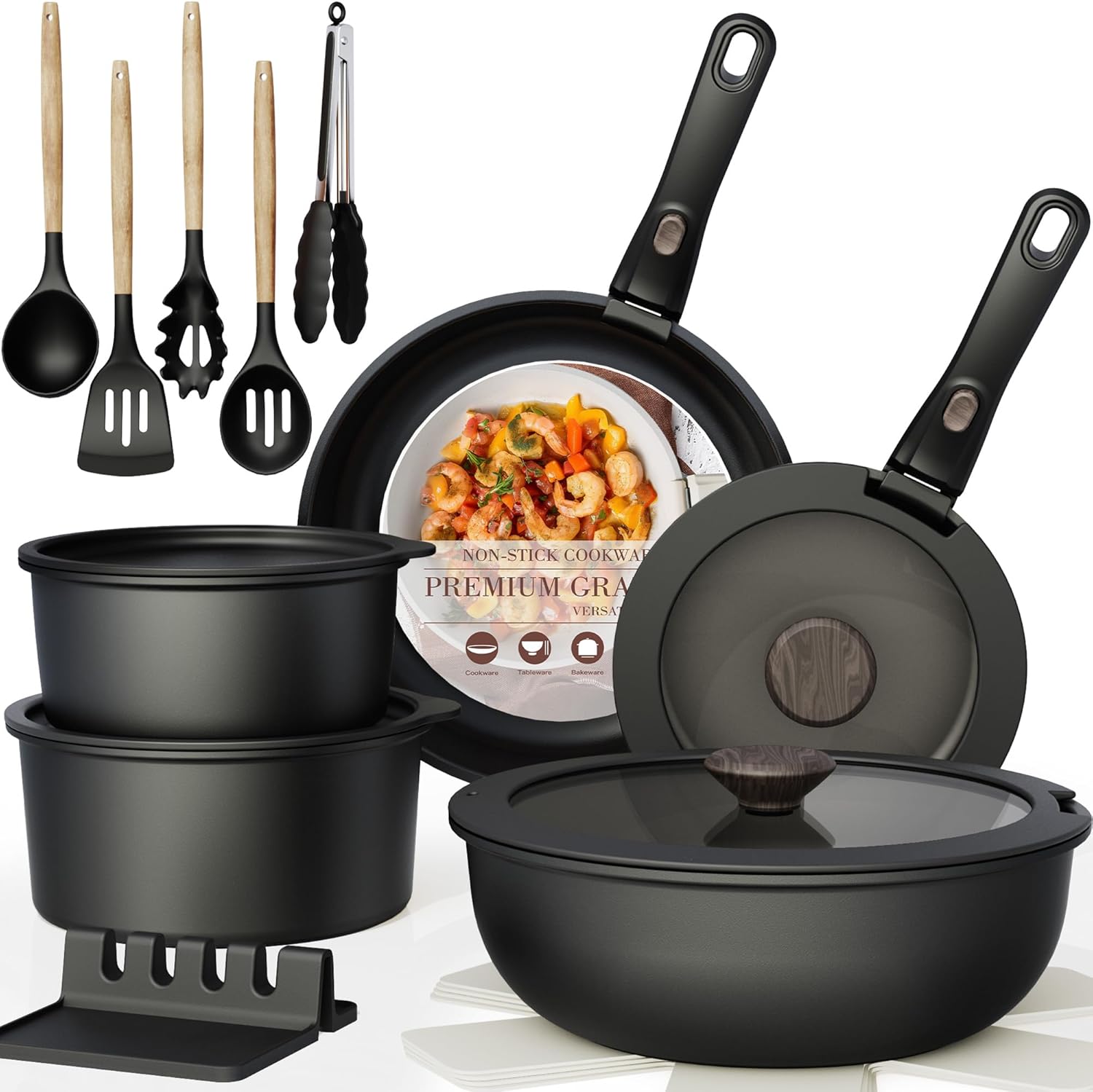
If your real need is weekday reheating, the microwave cover and mat are the smallest, least cluttering answer. If you want oven-to-table baking storage, the glass bakeware set has a different job. If the issue is stacked cabinet space, detachable-handle sets change the storage math more than a standard pan lineup does.
Decision factors
Footprint and clearance matter as much as the cooking surface itself. I would check where the item lives between uses, how much room lids or handles need, and whether the shape fits a shelf, drawer, or counter corner without forcing a shuffle.
Task fit is the next filter: reheating, baking, stovetop cooking, or storage support. After that, I look at maintenance, visible wear, and material signals, because the easier option to buy is not always the easier one to keep clean. Price spread matters too, but only after the job and placement are clear.
Best for each situation
For a small-space home that wants one set to move between refrigerator, oven, microwave, and table, the 8-Piece Deep Glass Baking Dish Set is the strongest fit. The appeal here is not just the container count; it is the flexibility of using one bakeware family for multiple steps in the routine.
For the lowest-cost, smallest-footprint answer to microwave mess, the Aidacom 2 in 1 splatter cover and silicone mat is the cleanest match. It solves a narrow task well, and that narrow task is exactly why it belongs on a value-first shortlist.
For cabinet storage support and a larger cooking set with removable handles, the Astercook 21-piece set and the CAROTE 19-piece set sit in the same general use case but point to slightly different tradeoffs. They are more about stacking, nesting, and multi-piece coverage than about a single pot or pan doing one job especially well.
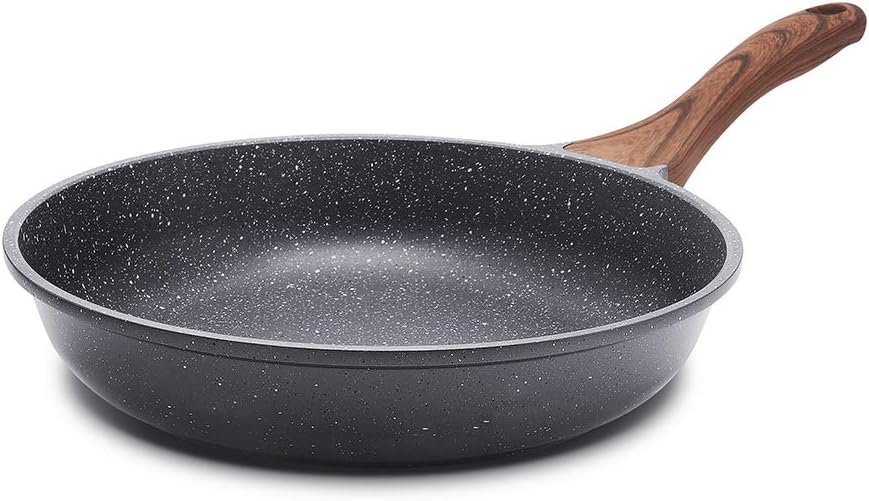
For an everyday skillet that is easier to rinse and reset after a simple meal, the SENSARTE frying pan fills a different role again. It is the kind of option I would sort toward when the goal is one easy-to-manage pan rather than a full set.
Tradeoffs
The biggest tradeoff across this shortlist is specialization versus coverage. The microwave cover is cheap and compact, but it cannot replace cooking vessels. The glass bakeware set is versatile, but it is heavier and more storage-hungry than a single pan. The detachable-handle sets help with stacking, yet they ask you to accept a different feel and setup routine than a conventional cookware set.
Material and construction choices also shape daily friction. Glass, aluminum, silicone, stainless steel, and detachable hardware all shift cleanup, storage, and handling in different directions. When price rises, I expect either more pieces, more flexibility, or easier organization; when it does not, the safest move is to buy for the narrowest job you actually have.
Quick answer
For cookware, the best shortlist starts with the job it needs to do, the room it needs to fit, and the compromise you are willing to accept. This guide is for readers who are choosing cookware with a clearer sense of fit, use case, maintenance, and tradeoffs. Deep Glass Bakeware Set is the first pick to compare for stacking leftovers, casseroles, and oven-to-fridge storage in a kitchen with limited cabinet space. Its current price signal is $25 to $49. Its review context is 4.4 rating from 8,241+ reviews.
How to choose between these picks
Start by matching the cookware to the room, routine, and tradeoff that matters most:
- footprint and clearance.
- task fit.
- room fit.
- maintenance.
- visible tradeoffs.
- material and construction signals.
- price spread.
- Daily usefulness.
Measure/check before buying
- Separate the cookware options by job first: ice, cold storage, bottle chilling, or replacement part.
- Measure counter height, door swing, ventilation room, and cord reach for the exact spot.
- Check whether cleaning, draining, defrosting, or model-number matching will be the recurring task.
- Decide whether the appliance can stay visible or needs to be stored between uses.
- Before you call anything the value choice, confirm the live price and whether it is still listed.
- Look at the images for shape cues, then compare the dimensions and clearance notes on the product page.
- Treat star ratings as a later filter, after the item already matches the job and the available space.
Common cautions
- Measure the exact placement area before choosing cookware.
- Check the material and finish closely, since they influence cleanup effort and how visually substantial the piece feels in a room.
- Do not shortlist cookware from the main photo alone; match the product type to the job first.
- Call out the main drawback first so the shortlist stays honest about what each pick gives up.
- the cookware solve a different job than the one the buyer actually has.
- routine cleaning demands or how easily you can reach the item often matter more than the first look.
- the listed dimensions can miss real-world space needs like hinges, cords, lids, handles, or nearby breathing room.
FAQ
What matters most when choosing cookware?
Task fit comes first, followed by footprint, storage, and maintenance. If the product does not match the job, price and finish are secondary.
What should I check before buying cookware?
Check the placement area, the routine it will support, and the cleaning burden it creates. Then compare material and construction details against the upkeep you actually want.
Related guides
- Kitchen Tools for Everyday Cooking - Connects this cookware decision to the broader kitchen tools for everyday cooking hub.
- Kitchen tools - More kitchen tools guides covering adjacent choices and practical tradeoffs.
- Countertop appliance fit checker - Check whether a coffee maker, ice maker, air fryer, toaster oven, or blender has enough counter and clearance space.
- How to Choose Coffee and Tea That Actually Fit | Coffee and Tea for Small Spaces: Fit Details to Check - Related internal guide.