Use-case map
For food storage, I start with the job, not the label. Some pieces need to move cooked meals from fridge to microwave and back again; others need to keep pantry staples tidy, or hold lunches that can go straight into a bag without leaks.
That split matters because the best option for weekday leftovers is rarely the best option for flour, sugar, or shelf storage. The right shortlist comes from matching the container type to the task, the room, and the amount of handling it will see each day.
Decision factors
Footprint and clearance come first. A container can look manageable in a listing and still be awkward in a shallow cupboard, crowded fridge shelf, or narrow pantry bin once the lid and hand clearance are part of the picture.
Task fit is the next filter. Glass works well for reheating and heavier meal prep, plastic is easier for grab-and-go lunches, and pantry containers make more sense when dry goods need easy scooping or pouring. After that, I look at maintenance, visible wear, and the tradeoff between a lower entry cost and a set that may need less handling, fewer replacements, or easier cleanup.
Best for each situation
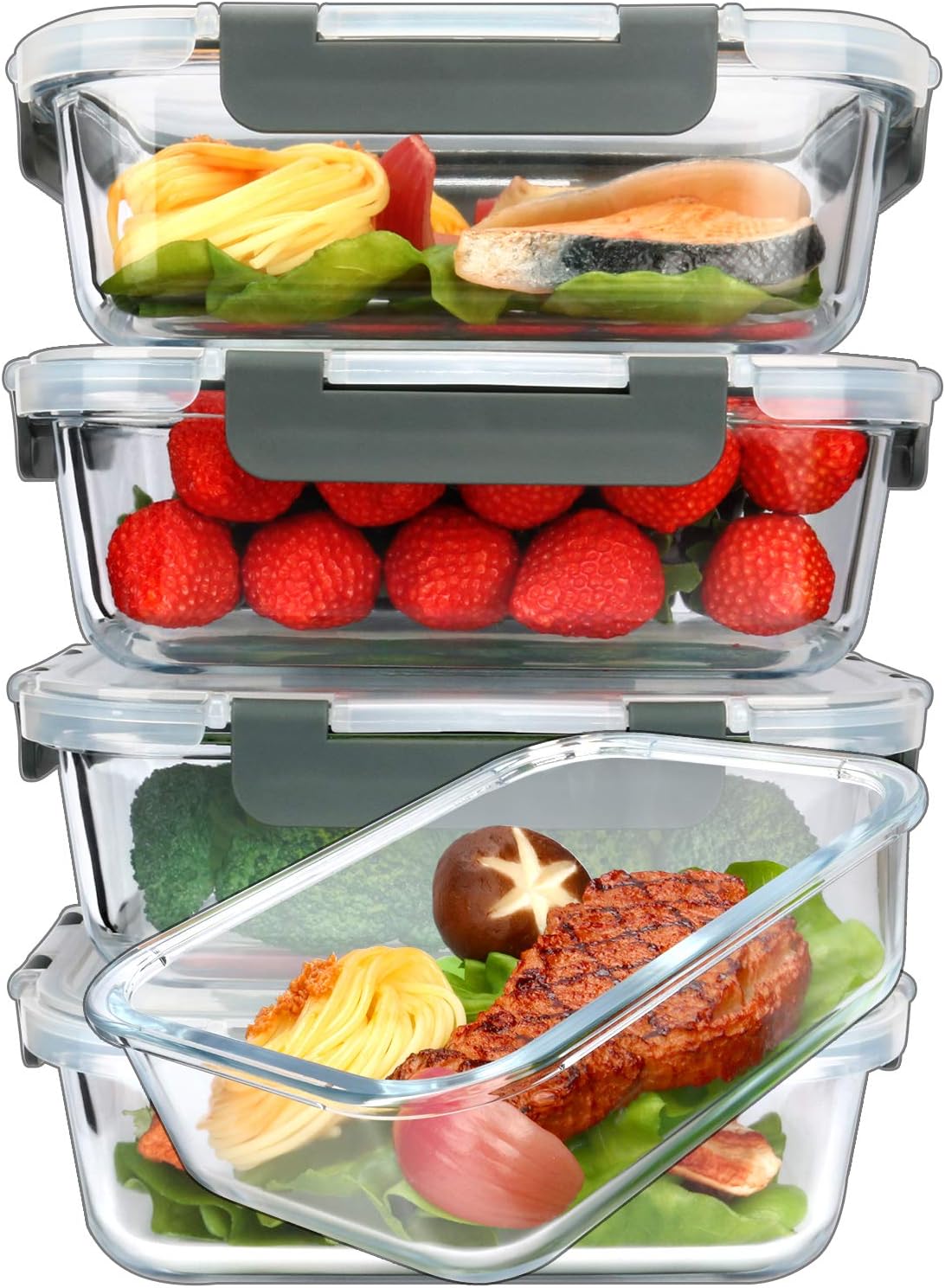
For meal prep and leftovers, the M MCIRCO 5-pack is the strongest overall fit because it is built around single-portion storage and reheating. The glass body and silicone-seal lid setup suits people who want a steady container for cooked food rather than a temporary box for leftovers that move around a lot.
For a lower-cost mixed starter set, HOMBERKING gives a wider spread of shapes and sizes, which helps if your storage needs are still changing. I would place this one in the basket when the main goal is coverage across several jobs and the budget needs to stay controlled.
For pantry staples such as flour and sugar, the ComSaf airtight set is the clearest match. It is aimed at dry-goods storage rather than fridge meal prep, so it makes more sense in a baking cabinet or pantry shelf than in a lunch stack.
For everyday lunches and simple soup portions, Glad GladWare is the most straightforward budget pick. The plastic build and smaller footprint make it easier to stash in a fridge drawer, lunch bag, or a cupboard slot where a glass container would feel heavier than needed.
For larger batch cooking and oven-ready portions, Vtopmart is the more room-hungry choice. It suits buyers who want a wider container for baked dishes or bulk prep and can spare the shelf space that comes with that format.
Tradeoffs
As price rises, the main change is usually not just capacity. You tend to get more specialized use, a sturdier feel in handling, and a better match for tasks like reheating, batch prep, or broader pantry organization.
The cheaper option can still be the smarter buy if the job is simple and repeated often, especially for packed lunches or basic leftovers. Spend more when you need a container to move between cooking, storage, and reheating with less fuss; stay budget-led when the main need is short-term, routine containment and the food does not need extra handling.
Quick answer
For food, the best shortlist starts with the job it needs to do, the room it needs to fit, and the compromise you are willing to accept. This guide is for readers who are choosing food with a clearer sense of fit, use case, maintenance, and tradeoffs. Five-Pack Glass Prep Set is the first pick to compare for meal prep that needs a simple, stackable set for fridge shelves and repeat lunches. Its current price signal is $25 to $49. Its review context is 4.6 rating from 10,919+ reviews.
How to choose between these picks
Start by matching the food to the room, routine, and tradeoff that matters most:
- footprint and clearance.
- task fit.
- room fit.
- maintenance.
- visible tradeoffs.
- material and construction signals.
- price spread.
- Daily usefulness.
Measure/check before buying
- Decide the exact job the food need to handle before comparing finishes.
- Measure the spot, nearby clearance, and storage path instead of judging from photos alone.
- Check the upkeep detail that will matter after the first week.
- Choose the compromise you can live with before choosing by appearance.
- Recheck current price and availability before you treat a pick as the value option.
- Use photos to understand shape and controls, then verify the listed size separately.
- Use buyer-rating context only after the option already fits the space and task.
Common cautions
- Check the container body, lid style, and seal design because those details shape cleanup, shelf fit, and daily handling.
- Confirm footprint, ventilation space, door or lid swing, and cord reach before choosing food.
- Do not shortlist food from the main photo alone; match the product type to the job first.
- Name the most likely downside before treating an option as the front-runner.
- the food solve a different job than the one the buyer actually has.
- daily cleaning or access turns out to matter more than the first visual impression.
- the listed footprint does not account for doors, cords, lids, handles, or nearby clearance.
FAQ
What matters most when choosing food storage?
Start with the job it needs to do. Meal prep, pantry storage, lunch packing, and leftover storage each point to a different material, shape, and lid style.
What should I check before buying food storage?
Check footprint, clearance, lid fit, and cleanup effort. I would also match the container type to the room and the daily routine it has to support.
Related guides
- Small Kitchen Storage - Connects this food decision to the broader small kitchen storage hub.
- Storage & organisation - More storage & organisation guides with related buying decisions.
- How to Keep Your Kitchen Organized with the Right Food Storage Solutions - Same topic support article.
- How to Keep Drinks Ready Without Cluttering Your Space - Related internal guide.