Use-case map
I start by separating food storage into the place it lives first: pantry shelf, fridge row, cabinet, sink edge, or prep counter. That simple step keeps the shortlist tied to access speed and daily routine friction instead of a generic kitchen photo.
If you want fast grab-and-go use, clear bins and stackable containers tend to work differently from airtight jars or meal-prep sets. Each type solves a different job, so the right pick depends on whether you are storing packets, leftovers, dry goods, or packed lunches.
For a broader planning view, I also point people to the Small Kitchen Storage guide (/guides/small-kitchen-storage/) and the drawer fit planning tool (/tools/drawer-organizer-size-calculator/).
Decision factors
Footprint and clearance matter first. Shelf depth, drawer height, sink clearance, and handle or lip space can matter more than the size shown in the main photo.
Task fit comes next: some food storage is built for leftovers and reheating, some for dry pantry goods, and some for packet sorting where quick visibility matters more than airtight depth.
Maintenance is another real dividing line. I would weigh wipe-down care, hand washing, drainage, and how easily a finish shows wear before I let price alone decide the shortlist.
Price spread matters most when the basic job is simple. Once the core function is covered, spending more usually buys a cleaner material signal, a sturdier feel, or a better size mix rather than a totally new use case.
Best for each situation
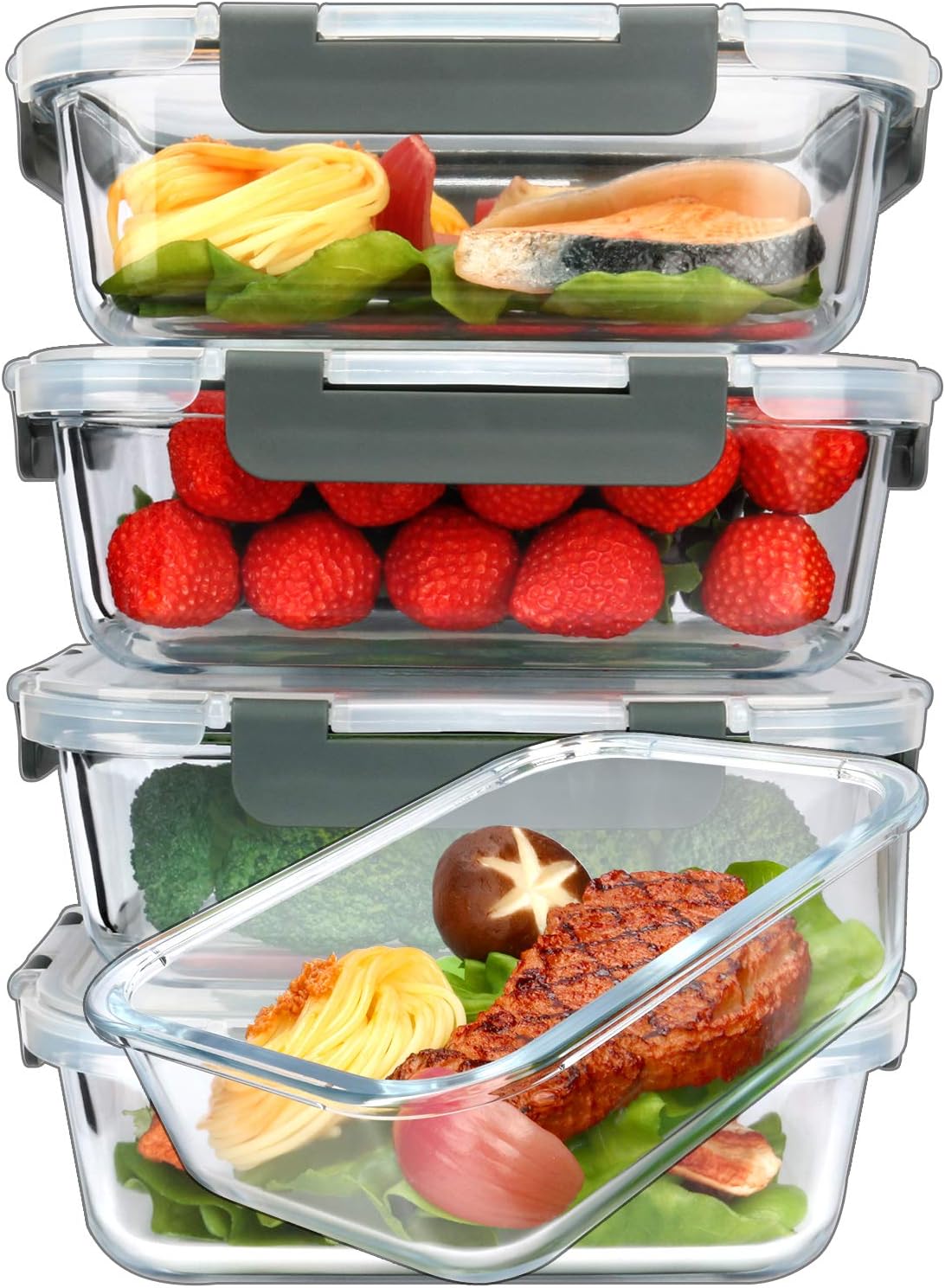
For meal prep and leftovers, the 18 Piece Glass Food Storage Containers with Lids from S SALIENT is the strongest all-around fit here. It has a freezer-safe build, a large user base in the source data, and a price that stays near the middle of the pack, which makes it a straightforward pick when you want one set to handle several routine jobs.
For a lower-cost glass set, the HOMBERKING 18 Piece Glass Food Storage Containers with Lids is the value play. It keeps the same broad storage role while landing at the lowest listed price among the main meal-prep options, so it works best when the budget matters more than extra finish detail.
For dry goods and pantry visibility, the Glass Food Storage Jars from Liuruiyu are the more specialized choice. Transparent glass helps you see grains, coffee, pasta, nuts, or baking ingredients at a glance, which is useful when the goal is quick cabinet reading rather than reheating leftovers.
For packet sorting in a narrow cabinet or pantry shelf, the Vtopmart 8-Pack Food Storage Organizer Bins are the best small-space tool. They are shaped around pouches, spice packets, and snack packets, so they solve a different kind of clutter from the meal-prep sets.
Tradeoffs
The most important tradeoff is between flexibility and specialization. A meal-prep set covers more day-to-day food handling, while jars and organizer bins are better when the storage job is narrower and more repetitive.
Cleanup can also change the experience more than the listing photo suggests. Glass often brings easier visual checks, but lid care, sealing surfaces, and drying habits can matter just as much as the container body.
The cheaper option can absolutely be the right call when it solves the same basic task. I would spend more when size mix, material signal, or long-term use matters; I would save when the storage job is simple and you mainly need a neat, dependable container set.
Quick answer
For food, the best shortlist starts with the job it needs to do, the room it needs to fit, and the compromise you are willing to accept. This guide is for readers who are choosing food with a clearer sense of fit, use case, maintenance, and tradeoffs. Glass Meal Prep Set is the first pick to compare for meal prep, leftovers, and fridge-to-microwave routine when you want stackable containers that move from storage to reheating. Its current listing sits in the mid-range price band, so the main question is whether the container style and lid routine fit your storage job. Its review context is 4.5 rating from 17,329+ reviews.
How to choose between these picks
Start by matching the food to the room, routine, and tradeoff that matters most:
- footprint and clearance.
- task fit.
- room fit.
- maintenance.
- visible tradeoffs.
- material and construction signals.
- price spread.
- Daily usefulness.
Measure/check before buying
- Separate the food options by storage zone first: pantry shelf, fridge row, cabinet, sink edge, or prep counter.
- Check the exact shelf or drawer space, including front edges, rails, and anything that narrows the opening when you slide a bin in or out.
- Confirm how the material is meant to be cleaned, whether that means hand washing, quick wiping, or extra drying after use.
- Choose the look that matches your routine: see-through containers make stock checks easier, while opaque or foldable options can feel less visually busy.
- Recheck the current food price before relying on it as the value pick.
- Use the food photos for shape and finish, then confirm the listed size or fit details.
- Treat food ratings as context after the option already matches the room and job.
Common cautions
- Treat glass weight, lid care, and plastic-bin wipe-downs as part of the daily routine, not just finish details.
- Measure the exact placement area before choosing food.
- Match food to the job and room conditions before relying on the main product photo.
- Call out the biggest food drawback before treating an option as the front-runner.
- the food solve a different job than the one the buyer actually has.
- cleaning, reach, or adjustment can matter more than the first food photo.
- listed size details may miss the clearance, hardware, or access space the food need.
FAQ
What matters most when choosing food storage?
Start with the job and the location. If it lives in a pantry, fridge, or prep area, fit and access matter more than any broad label on the package.
What should I check before buying food storage?
Check shelf depth, drawer height, sink clearance, cleaning needs, and whether the shape actually matches the food you want to store.
Related guides
- Small Kitchen Storage - Connects this food decision to the broader small kitchen storage hub.
- Storage & organisation - Browse nearby storage decisions for food, compact rooms, and everyday organization routines.
- Drawer fit planning tool - Use it to sanity-check drawer or shelf clearance before adding packet bins, shallow trays, or container stacks.
- Best Food Storage Containers for Pantry Fit, Leftovers, and Meal Prep - More context for comparing food by fit, upkeep, and daily use.