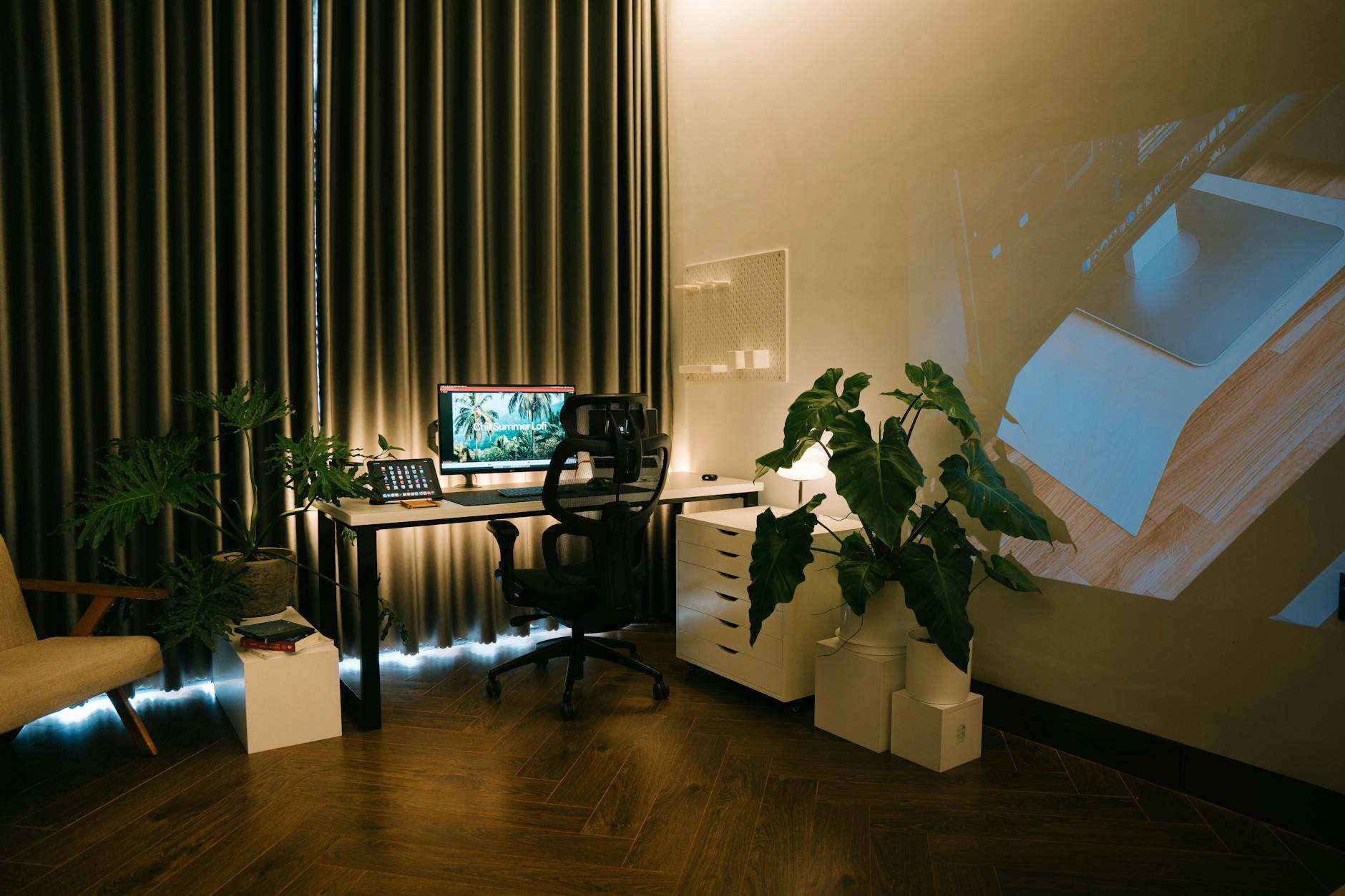
Creating a work-from-home routine doesn’t always require a complete room overhaul. In fact, the best routines often emerge from the quiet, familiar rhythm of what’s already in your space. Whether it’s the creak of a chair you’ve sat in for years or the soft glow of a lamp you never knew could double as a task light, your home already holds the tools to help you feel grounded, focused, and comfortable. The key is to notice them—and then to shape your day around them.
Morning Rituals: Start Where You Are
Begin your day with the things that already make your space feel like your space. If you have a small kitchen table that’s usually for breakfast, consider it your “work hub” for the first hour of your day. Place your laptop on it, stack a few notebooks beside your coffee mug, and let the familiar sight of your morning routine anchor you. If your desk is already cluttered, try the simple act of clearing just one corner for your morning essentials: a mug, a notebook, and a plant. This small act of intention can signal to your brain that it’s time to shift into work mode.
For those with limited space, a nightstand can become a surprisingly effective spot for your morning ritual. Use it to hold your phone, a journal, or a small lamp that can be turned on as you start your day. If your nightstand feels too small for this, consider how a small kitchen tool choice like a mug or a tray might help you organize your essentials without overwhelming the surface.
Midday Resets: Lean Into What’s Already There
By midday, the energy in your workspace can feel stale, especially if you’re working in the same spot for hours. This is where your existing furniture can become a lifeline. If you have an accent table nearby, use it as a quick reset station. Place a few items on it that help you recharge: a cup of tea, a small plant, or a book that you’ve been meaning to read. Even a simple act of walking to the table, sipping tea, and flipping through a page can help you shift your focus.
If your workspace lacks a dedicated table, look to other furniture for inspiration. A dining chair that’s usually for meals can double as a spot to stretch your legs during a break. A shelf that holds your books can become a spot for a quick walk or a moment of mindfulness. The idea is to use what you have to create micro-breaks that feel meaningful, not disruptive.
End-of-Day Wind-Down: Transition With Purpose
As the day winds down, the goal is to create a gentle transition from work mode to home mode. If you have a desk that’s your primary workspace, consider using it as a boundary. Turn it off, close your laptop, and leave it untouched until the next morning. This small ritual can signal to your brain that work is done.
For those who work in shared spaces, a calmer storage setup can help create that boundary. Store your work essentials in a basket or a drawer that you can close at the end of the day. If you have a decorative shelf nearby, use it to display a few items that make you feel at ease—maybe a photo, a candle, or a small sculpture. These items can become part of your evening ritual, helping you shift from productivity to relaxation.
The Power of Small Changes
Building a work-from-home routine around what you already have is less about perfection and more about presence. It’s about noticing the things that already bring you comfort and then weaving them into your day. Whether it’s the way your favorite chair feels when you sit in it or the way your desk reflects the light in your room, these details matter. They’re the quiet reminders that your home is not just a place to work—but a place that supports you.
A well-thought-out workspace doesn’t have to be brand new. Sometimes, the most meaningful changes are the ones that feel like they’ve always been there. And if you’re looking for ways to add a little more warmth and character to your space, consider how a small accent table might help you bring your routine—and your home—into perfect harmony.