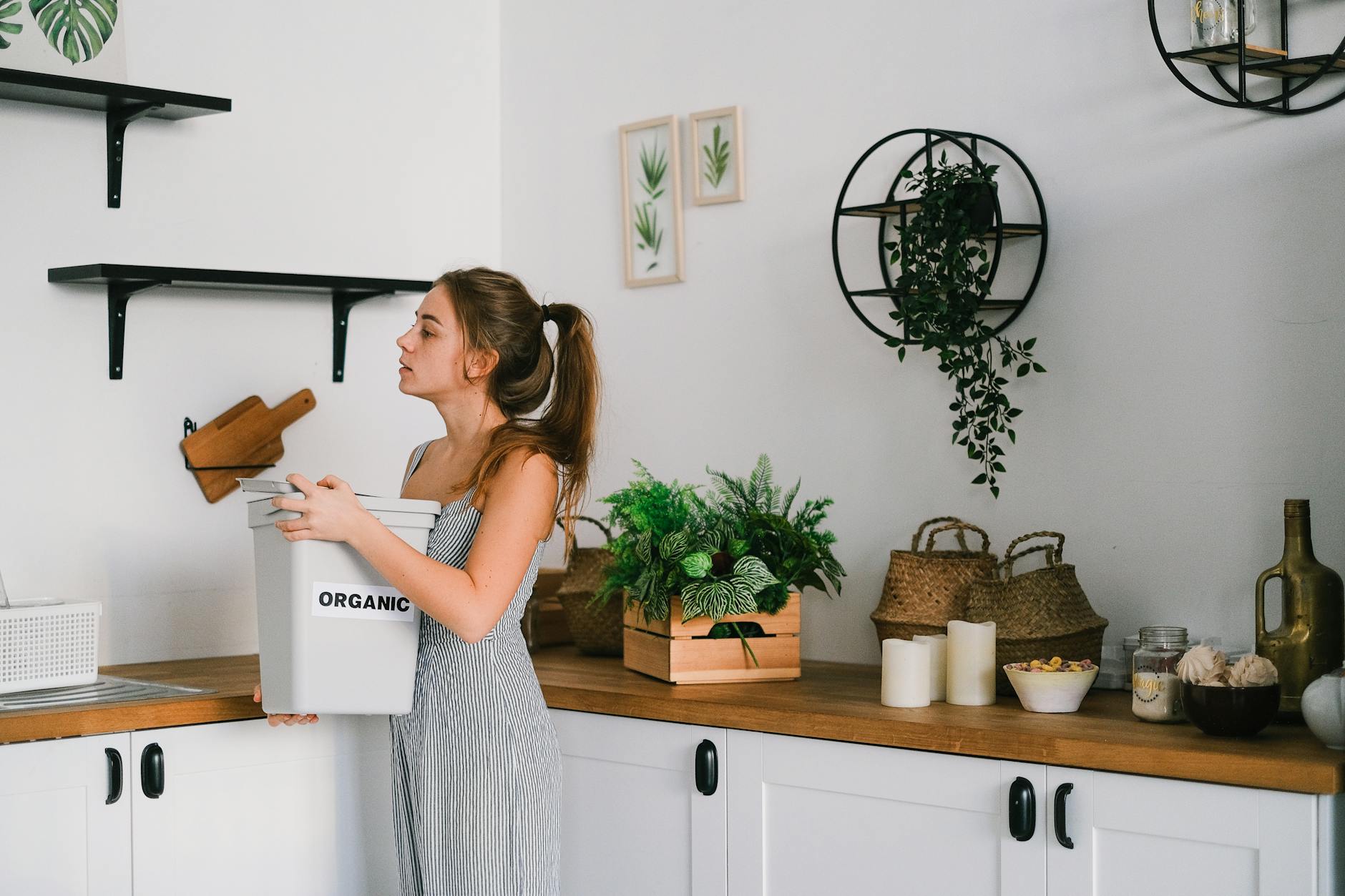
The Heart of the Home: Choosing the Right Space
Every family has a spot where the day’s chaos converges—a place where backpacks, keys, and groceries pile up before being sorted. This is the family drop zone, a critical hub that can either become a source of stress or a well-oiled part of your home’s rhythm. The key to success lies in choosing the right location and designing it with purpose. Whether it’s near the front door, tucked into a corner of the living room, or integrated into the kitchen, the drop zone should be easily accessible and visible.
A well-chosen spot can also double as a functional area. For instance, a narrow entryway might benefit from a sturdy console table with drawers, while a sunlit kitchen nook could become a cozy spot for quick meals or homework. The goal is to create a space that invites order while still feeling welcoming. Think about the flow of your home: where do people naturally gather? Where does clutter tend to accumulate? Answering these questions helps shape a drop zone that feels intuitive and calm.
Smart Storage: Keeping the Chaos at Bay
Once the location is set, the next step is to think about storage. A family drop zone thrives on simplicity—clear, designated spots for everything from shoes to school supplies. Open shelving can be a great solution, allowing everyone to see where items belong. For smaller spaces, wall-mounted hooks or over-the-door organizers can maximize vertical space without making the area feel cramped.
Consider the needs of each family member. A teenager might need a spot for their keys and phone, while a young child might require a low shelf for toys and backpacks. Using baskets, bins, and labeled containers not only keeps things organized but also makes it easier for everyone to find and return items. For inspiration on keeping small spaces tidy, exploring food storage systems for busy kitchens can offer fresh ideas on how to manage clutter with a clearer system.
A common pitfall is overcomplicating the setup. The best drop zones are those that feel effortless. A simple wicker basket for keys, a hook for coats, and a shallow drawer for mail can make a world of difference. The trick is to avoid overcrowding; every item should have a clear, visible home.
Involve the Whole Family
A functional drop zone isn’t just about storage—it’s about habit. Even the most well-designed space can fall apart if the family doesn’t buy into the routine. Involve everyone in the process, from choosing the color of the storage bins to deciding where the coat rack should go. When children feel ownership over their space, they’re more likely to keep it tidy.
Setting up a visual system, like a chart with checkmarks for tasks like “put away backpacks” or “empty pockets,” can make the process feel like a game. For older kids, assigning them a specific drawer or shelf to manage can foster responsibility. It’s also helpful to establish a nightly routine, where everyone takes a few minutes to tidy up before bed. These small, consistent actions build a culture of care that keeps the space from becoming a magnet for clutter.
Adding Warmth Without Clutter
A drop zone doesn’t have to feel sterile or utilitarian. In fact, the right touches can make it a comforting part of your home. Soft textiles, like a woven rug or a plush mat, add texture and invite bare feet. A small ceramic vase with fresh flowers or a stack of neatly folded towels can bring a sense of calm to the space.
Lighting also plays a role. A warm lamp or a cluster of candles can transform a bare entryway into a cozy nook. For those who enjoy the ambiance of candles, choosing candles that make your home feel cozy offers guidance on selecting scents and styles that enhance the mood without overwhelming the space.
Even the smallest details matter. A neatly arranged set of keys in a bowl, a family photo on the wall, or a small potted plant can make the drop zone feel