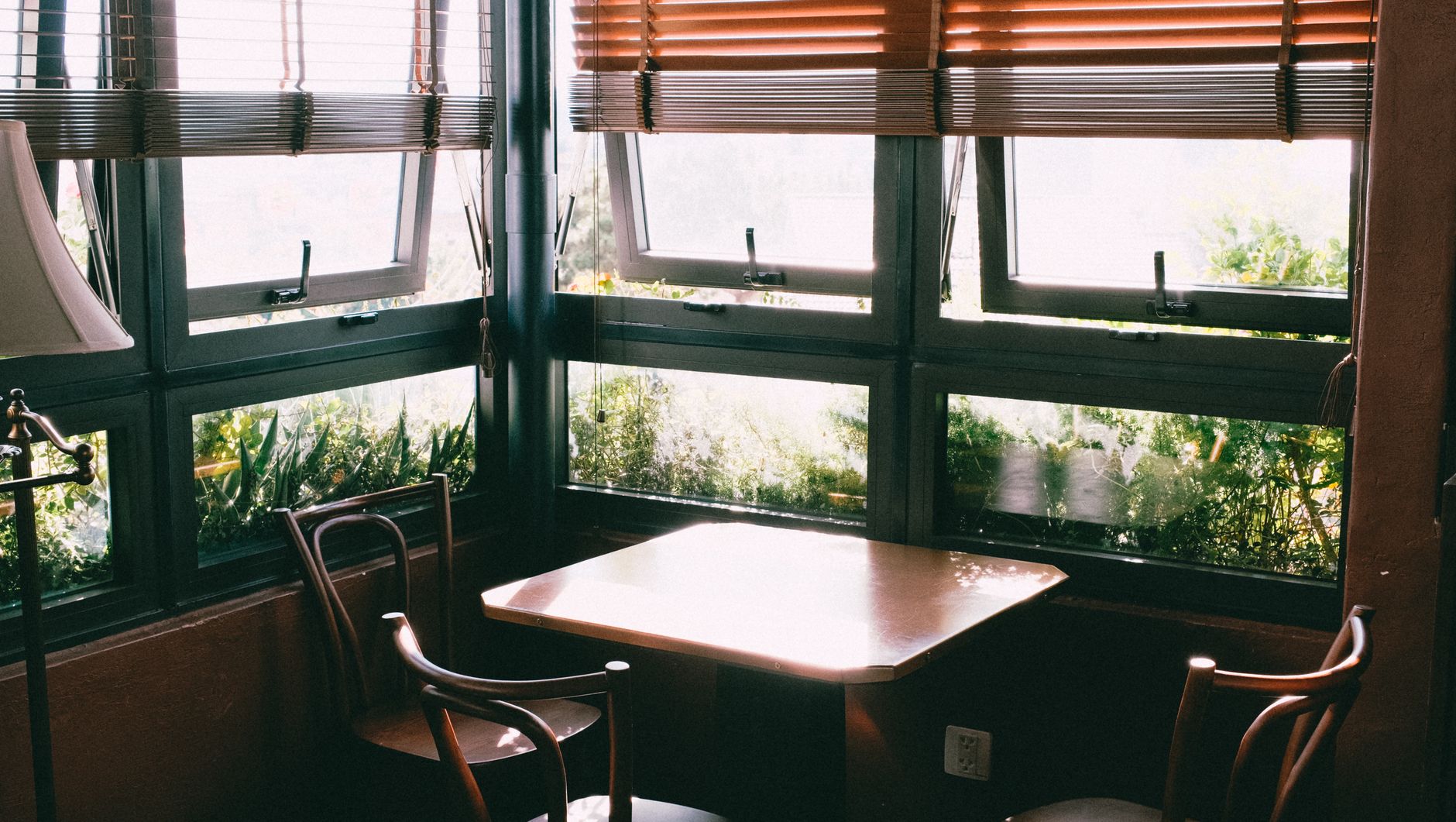
How to Make a Dining Corner Feel Intentional Without Buying the
Wrong Fix A dining corner is one of those spaces that can quietly shape the feel of a home. When it works, it says: we eat here, talk here, set down mail here, and come back to this spot again and again. When it doesn’t, it often becomes a familiar problem with a hopeful purchase sitting in the middle of it.
That’s the trap in the furniture category, especially with dining corners. It is easy to think the space needs “something better” when what it really needs is a clearer answer to a simpler question: what is this corner supposed to do every day? The most intentional dining corners I’ve seen are rarely the most styled ones.
They are the ones where the furniture fits the task, the traffic, and the way the household actually moves.
The wrong fix usually arrives first
If a dining corner feels unfinished, the first instinct is often visual. Add a larger table. Swap in matching chairs.
Bring in a pendant light. Put something decorative on the wall and call it done. Sometimes those changes help.
But often they are substitutes for a problem that has not been named yet. A narrow room may not need a more dramatic table; it may need better clearance. A corner that feels cold may not need “more decor”; it may need a seat that invites longer meals.
A dining nook that becomes a dumping ground may not need prettier surfaces; it may need a small amount of storage nearby so the table can stay usable. This is why furniture decisions in a dining corner tend to go wrong when they start with the object instead of the pattern. A table that is beautiful but too deep will make the room feel crowded every day.
Chairs that look airy but are uncomfortable will make people avoid sitting there. A bench might solve one problem and create another if it blocks circulation or collects clutter. Before buying anything, it helps to notice what is actually failing.
Ask what the corner is carrying
A dining corner can be carrying more than meals. In real homes, it often has to handle homework, laptop time, morning coffee, folding laundry, extra dishes, and the practical mess of daily life. That is why “intentional” does not mean formal.
It means the space is honest about its job. If people only eat there on weekends, the setup can be simpler. If it is the primary eating spot, comfort matters more than styling symmetry.
If the corner sits beside a kitchen entry, easy cleanup may matter more than a statement finish. If it is visible from the living room, the furniture may need to work hard without looking like it is trying too hard. This is where it helps to think in terms of tradeoffs.
A small room often rewards restraint. A larger nook may actually feel more composed when it has one substantial anchor instead of several small, uncertain pieces. And if seating is the main issue, choosing from a guide like chairs that work for everyday use and tight room proportions can be more helpful than picking by style alone.
The goal is not to make the corner perfect. The goal is to make it obvious, in a good way, what belongs there.
Let the table answer the room first
The table is usually the first thing people notice, and also the first thing they overthink. In a dining corner, the table should behave like a quiet organizer of the space. It should help define the zone without taking it over.
A table that is too large can make a small nook feel defensive, as if every chair has to be carefully negotiated. A table that is too small can make the whole arrangement seem temporary, even if the rest of the room is well considered. Shape matters too.
Round tables can soften a corner and improve movement, while rectangular ones may suit a longer, narrower footprint. What matters most is not whether the table is trendy, but whether it gives the room a clear center. If the corner is awkward, the answer may be a better-fitting surface rather than another decorative layer.
A helpful place to start is choosing a dining table by room size and daily use, because the right table often removes the need for a dozen smaller fixes. Once the table is right, the rest of the corner starts to make sense more quickly.
Chairs should solve comfort, not just fill space
Dining chairs are where good intentions often get tested. They can look neat in a room and still be wrong if they are too deep, too stiff, too bulky, or too hard to pull in and out every day. In lived-in homes, the chair is not a prop.
It is something people lean back in, scoot around, wipe down, and sit in longer than expected. A dining corner that feels intentional usually has chairs that disappear into the rhythm of the room instead of demanding attention for the wrong reasons. This is also where people accidentally buy around the real problem.
They notice that the room looks sparse and assume the answer is more visual weight. But if the issue is comfort, the fix is not a heavier chair; it is the right kind of support. If the issue is movement, the fix is not a more decorative backrest; it is better clearance.
If the issue is cleanup, upholstery may not be the first choice. When the dining corner is part of an open plan, these details become even more important. The chairs need to look calm from a distance and still work on a Tuesday night.
If you want a deeper way to think through that, the guide to comfortable dining chairs for everyday homes is a useful companion read.
A corner feels intentional when it has one clear job
The most convincing dining corners usually have a kind of discipline to them. They do not try to be a breakfast nook, storage zone, display shelf, and remote work station all at once unless the room truly supports that. Sometimes the most helpful move is subtractive.
Removing one chair can make circulation easier. Replacing a large decorative object with a shallow wall shelf can open the room. Choosing a smaller table can give the rest of the home back some breathing room.
These are not glamorous changes, but they are often the ones that make a dining corner feel calm. For corners that also need storage, the answer is usually shallow and deliberate, not bulky. A slim shelf can hold the things that naturally gather nearby without turning the area into a visual obstacle.
That is why making the most of narrow spaces with decorative shelving can be useful in rooms where the dining corner is sharing space with everything else. Intentional design, in this part of the home, often looks like fewer surprises.
The small details that make the space feel lived in Once the main pieces are right, the final layer is not about decorating harder.
It is about making the corner feel like it belongs to daily life. A simple light that falls evenly over the table can change the mood more than a crowded centerpiece. A washable table surface can make the space feel less precious.
A rug can define the zone if it stays flat and does not snag chair legs. Even the placement of a bowl for keys or napkins can help the corner feel thought through rather than assembled. The best dining corners I’ve come across do not look staged.
They look looked after. And that is really the heart of it: to avoid buying around the real problem, resist the urge to treat the corner as a styling puzzle first. Start with use, movement, and comfort.
Then choose the furniture that supports those facts. The room will feel more intentional because it is. If you’re still deciding what belongs closest to the table, the next read on armchairs that fit a small, lived-in corner continues the same practical approach from a slightly different angle.