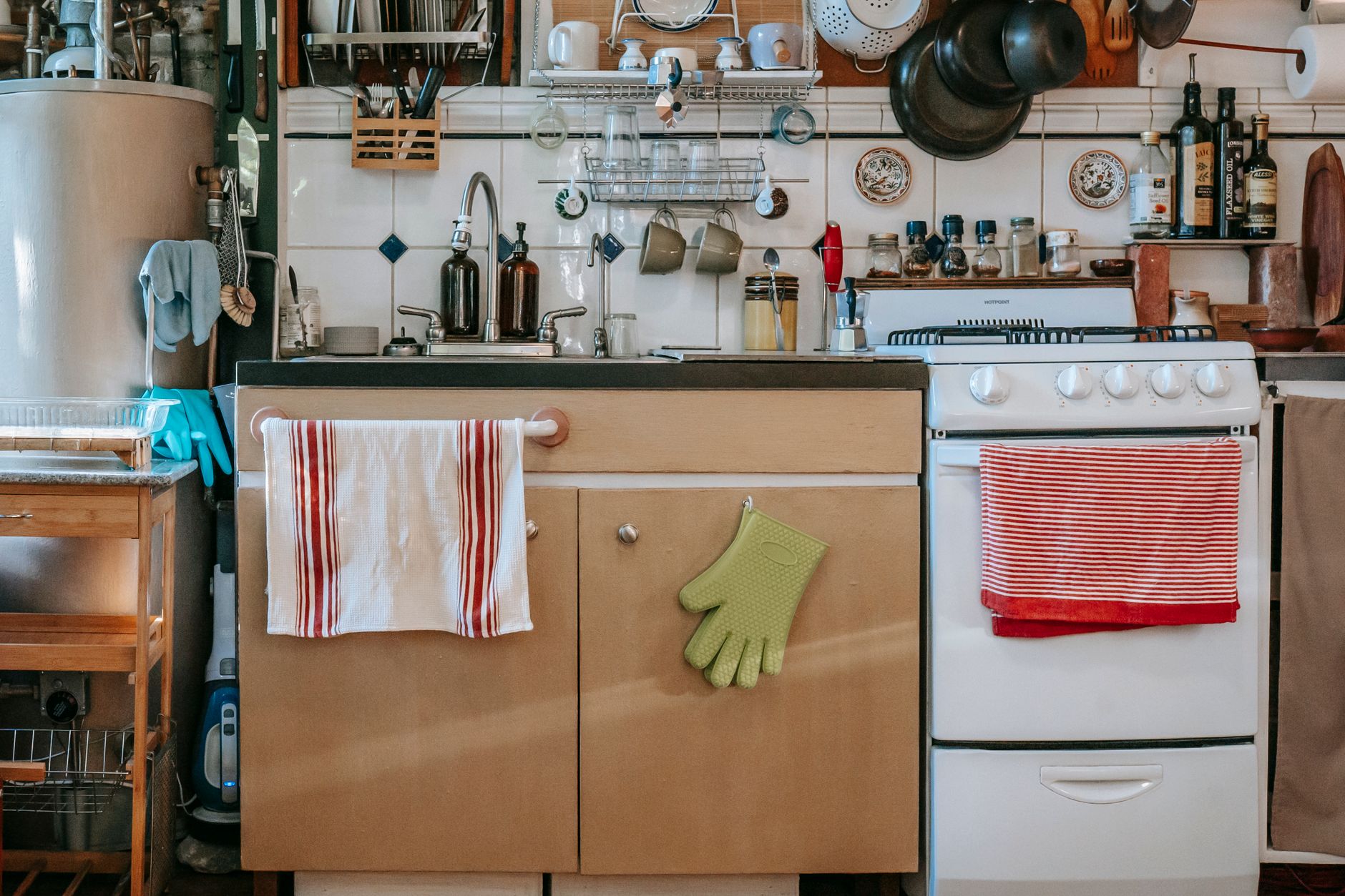
Making Cleanup Feel Lighter: Kitchen Textiles
That Help Everyday Tidy-Ups There is a particular kind of kitchen tiredness that has nothing to do with cooking itself. It arrives after the last spoon is set down, when the counter has a few sticky spots, the sink is full enough to feel rude, and the whole room seems to be asking for more energy than you have left. In real homes, cleanup is rarely a dramatic event.
It is usually a small, repeated task that becomes easier or harder depending on the things within reach. Kitchen textiles do not get much credit for that. They are often treated as background items: a dish towel, an oven mitt, a mat by the sink, a cloth tucked into a drawer.
But these are the pieces that shape the tone of a routine. Good textiles do not make cleanup disappear. They make it feel less like a project and more like part of living in the kitchen.
Why softness matters in a working kitchen
A kitchen can be practical without feeling blunt. Texture changes that balance. A folded towel that is absorbent instead of thin and scratchy.
A mat that cushions standing time while you rinse dishes. A sturdy cloth that wipes crumbs without leaving the table damp. These details matter because they remove friction from the smallest motions.
When cleanup feels harsh, we tend to put it off. When it feels manageable, we are more likely to keep pace with it. That is the quiet value of kitchen textile comfort: not luxury, but ease.
A towel that dries well and feels pleasant in the hand can make wiping the counter seem less like a task you have to psych yourself up for. A reliable apron can keep splatters from turning into a second cleanup later. Even the humble dishcloth, when it is the right size and texture, can help a kitchen feel more under control by the end of the evening.
This is especially true in homes where the kitchen also serves as a landing place, homework spot, coffee station, and general overflow zone. In those rooms, cleanup is not only about dishes. It is about resetting the space enough that the next person can use it without starting from scratch.
The textile pieces that change the mood
Not every textile has the same job. The most useful ones are often the plainest. Dish towels do several things at once: dry hands, wipe counters, line a basket, protect a warm loaf, and sometimes serve as the one clean surface left on the table.
Because they work so hard, their feel matters. A towel that is too thin tends to slide around, soak through quickly, and leave the impression that cleanup is taking longer than it should. A better towel holds up to repeated use, folds neatly, and still feels comfortable after many washes.
Dishcloths carry a different kind of weight. They are the everyday tool you reach for after a spill, after a prep board is cleared, after a mug ring appears on the table. If they are soft but not flimsy, they make those moments feel less fussy.
The goal is not perfection. It is reducing the number of little annoyances that make a kitchen feel harder to maintain. Then there are mats.
A cushioned mat at the sink or prep area can change how long cleanup feels. Standing on a hard floor while washing pans or sorting leftovers adds up quickly, and that discomfort can make the rest of the job feel heavier. A mat does not do the cleaning for you, but it supports the person doing it, which is often the difference between finishing the task and feeling resentful halfway through.
For households with frequent stove use, oven mitts and pot holders also belong in this conversation. When they are thick enough to trust and easy enough to grab without thinking, they make the kitchen feel less tense. That little bit of confidence matters.
Cleanup is calmer when the whole room feels less like a place where accidents might happen.
Comfort is also about where things live
Textiles help most when they are easy to reach, easy to launder, and easy to return to their place. If the good towels are hidden behind rarely used serving ware, they are less likely to become part of the routine. If the dishcloths have no home, they end up draped over the faucet, the toaster, or the edge of the sink, which makes the room look unfinished even when it is mostly clean.
This is why storage is part of comfort. A small basket near the sink. A drawer with enough separation that cloths do not get tangled.
A hook by the stove for the towel that gets used most. These are tiny decisions, but they remove the daily question of where something should go. The same thinking appears in other kitchen choices too.
A practical setup for small kitchen tool choices often makes cleanup simpler before it even starts. A cutting board that rinses quickly, a utensil that does not trap food, or cookware that stacks well all reduce the number of surfaces textiles need to rescue afterward. Comfort in the kitchen is usually a chain of small efficiencies.
The best textiles are the ones you do not have to manage
There is a hidden burden in items that look nice but behave badly. A towel that sheds lint on wet glassware. A mat that curls at the corners.
An apron that wrinkles, twists, or feels stiff after washing. These things create small decisions and repeated annoyance, and that is often what turns everyday cleanup into a project. The more reassuring kitchen textiles tend to be the ones that ask for little.
They wash cleanly. They dry without fuss. They keep their shape enough to stay useful.
They feel present but not precious. In a home kitchen, that balance matters more than visual perfection. A textile that can be used hard, washed often, and still feel pleasant gives the room a kind of steadiness.
That steadiness also pairs well with broader kitchen choices. For example, a calmer storage setup can keep drawer clutter from spilling onto the counter, which means towels and cloths stay where they belong instead of becoming catchalls. In the same way, thoughtful everyday mealware can reduce the strain of clearing the table because the objects themselves are easier to stack, carry, and wash.
A softer routine is still a real routine
The point of kitchen textile comfort is not to make cleanup dreamy. It is to make it ordinary in the best way. When the tools feel good in hand, when they are close by, when they wash well and do not create new problems, the kitchen becomes easier to reset.
That matters in homes where energy is limited and schedules are full. It also matters in homes where people simply want the day’s edges to close more gently. A few well-chosen textiles can change the emotional temperature of the room.
They soften the work without removing it. They support the person doing the work without demanding attention themselves. And in a kitchen, that kind of quiet usefulness goes a long way.
If you are thinking about the rest of the tools that shape that same feeling, the next step is a look at best cooking utensils for comfortable everyday homes: fit, cleanup, and storage tradeoffs, where the same everyday logic carries into the tools you reach for most.
For a more practical next step, match cookware to the room, task, and tradeoff that matters most before choosing what fits can help connect this journal idea to everyday home choices.