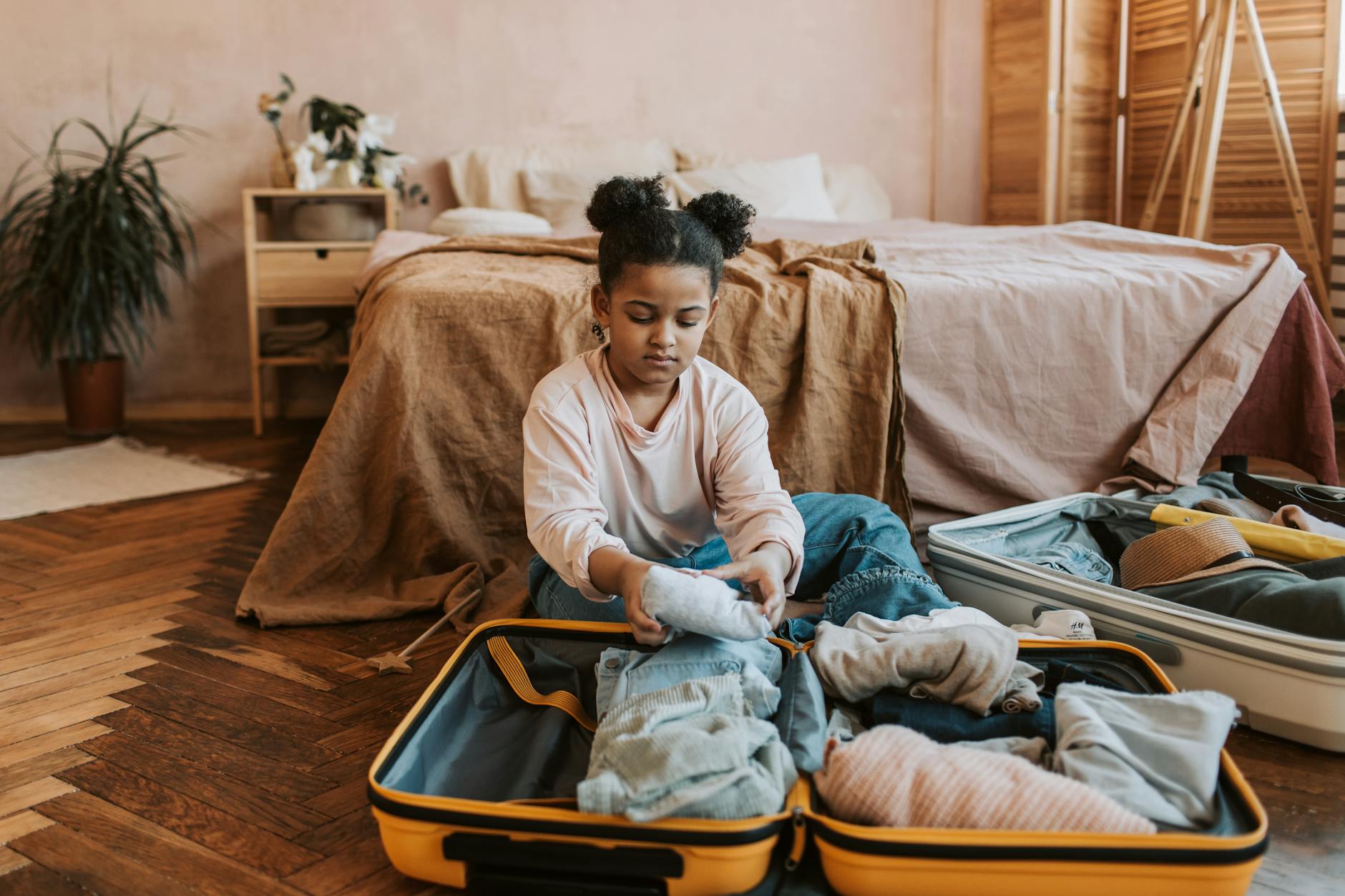
Packing has a way of revealing our habits. Not the glamorous version we imagine when we’re folding neatly beside an open suitcase, but the real ritual: the extra zip pouch we always reach for, the one bottle that leaks if it lies flat, the charger that seems to disappear only when we’re already late. In travel packing, storage & organisation is rarely about having the most attractive setup on day one. It’s about whether a thing still feels sensible on the fourth trip, and the eighth, and the one after that when you’re tired and trying to leave the house with your keys, passport, and a half-finished coffee. That’s the quiet shift this category asks us to make. Instead of choosing storage because it looks tidy in a photo, we start choosing for repeated use. For the kind of usefulness that survives routine.
The first trip is not the whole story
A lot of packing habits are built around the first impression a container makes. It slides neatly into a bag. It stacks well on the shelf.
It looks coordinated with the rest of the luggage. All good signs, but not the full picture. The practical test comes later: - Does it still close easily after being packed half-full? - Can you wash it quickly when it has crumbs, spills, or sunscreen residue inside? - Does it fit the way you actually travel, not the way you imagined travel would look? - Will you still like handling it when you’re in a hurry, tired, or packing for someone else?
Travel asks for storage that can absorb repetition. It should handle the small messes of real life without becoming another task to manage. That is especially true in homes where the same items do double duty: a pouch that carries toiletries on a weekend away and school snacks on Monday, a container that leaves the pantry for a road trip lunch, a thermos that moves between the kitchen counter and the car.
When I think about storage that lasts, I think less about perfection and more about friction. The fewer tiny annoyances something creates, the more likely it is to stay in rotation.
What repeated use teaches us The first use can flatter almost anything. The second use tells the truth.
A packing cube that seemed wonderfully structured may turn awkward once it’s stuffed with winter layers. A toiletry bag with beautiful compartments may be less lovely when you need to rinse out one spilled bottle cap and can’t reach the lining. A lunch bag that looks compact on a shelf may prove difficult when you need it to hold a thermos, an ice pack, and a snack without squashing everything into a lopsided shape.
This is where useful storage begins to overlap with everyday storage. The same questions matter whether you’re organizing a suitcase or a narrow pantry: what fits, what gets in the way, and what stays easy to live with after the novelty wears off. That’s why I often find myself returning to guides that focus on fit and use, not appearance alone.
Even a simple piece about best food storage containers for pantry fit, leftovers, and meal prep can sharpen the way we think about packing, because the underlying question is the same: will this work in the room, for the task, and on the days when routine is doing most of the heavy lifting?
The rituals that make packing calmer
Some packing rituals are really just storage rituals in disguise. We keep a small bag ready with cords, medications, lip balm, and a pen because packing from scratch is too easy to get wrong when time is short. We put passports in one designated pocket because there’s comfort in knowing where to reach without thinking.
We keep a laundry bag tucked inside the suitcase so dirty clothes don’t end up loose at the bottom. These are not dramatic systems, but they remove decision-making from moments that already feel busy. A good ritual also respects the shape of your household.
If you travel with children, your storage choices have to survive more handling, more spills, and more surprise. If you’re often leaving directly from work, your bag may need to hold both personal items and a packed meal. If you’re a light traveler, every pouch should earn its place.
And if you prefer to keep things in view, the right drawer or counter setup at home can make departure less chaotic. For that kind of thinking, I like the practical approach in best racks and holders for drawer, sink, and counter storage, because it treats storage as part of daily movement, not just a place to put things away. The point is not to create a perfect system.
It’s to reduce the number of choices you have to remake every time you leave.
Choosing for the journey after the photo
The most dependable travel storage tends to have a few quiet traits. It opens with one hand, or nearly so. It doesn’t require a special technique to close.
It is easy to clean, which matters more than many people expect. It tolerates being emptied and refilled without losing its shape. It feels good enough to use often, not so precious that you save it for best.
And it works as well when it’s nearly full as when it’s only lightly packed. That last part is easy to overlook. Travel changes volume.
On the way out, a bag may be tightly organized. On the way home, it may contain souvenirs, damp swimsuits, receipts, and a snack wrapper you forgot was there. The storage you choose should be steady under those shifts.
This is one reason meal and drink storage can be such a helpful lens for thinking about packing. A container that works for leftovers may also be the one you trust for road trips or train snacks, because it’s been tested in the same way: repeated opening, washing, sealing, and carrying. If you’re rethinking that part of your home setup, budget vs premium travel lunch bags: what changes as you spend more is the next step in that conversation, especially if you’re trying to understand where durability really shows up.
A small home note before you leave
The most helpful packing habits usually begin at home, in the ordinary places where things are stored between trips. A drawer that gives you quick access. A shelf that keeps travel items together.
A pouch that always returns to the same hook. These little arrangements matter because packing is easier when the essentials are not scattered. That’s why travel packing rituals belong in the broader category of storage & organisation, not just luggage.
They are part of how a home supports movement. The aim is not to own more containers or more compartments. It is to own fewer things that do their work well, over and over, without drawing attention to themselves.
When storage is chosen for repeated use, packing becomes less of a scramble and more of a familiar rhythm. And that, more than a perfectly zipped bag, is what makes leaving feel manageable. If you want to keep following that practical thread, the next read looks at what changes when a travel lunch bag moves from an impulse pick to something meant for everyday repetition.